Aging in Place Starts With a Safer Routine
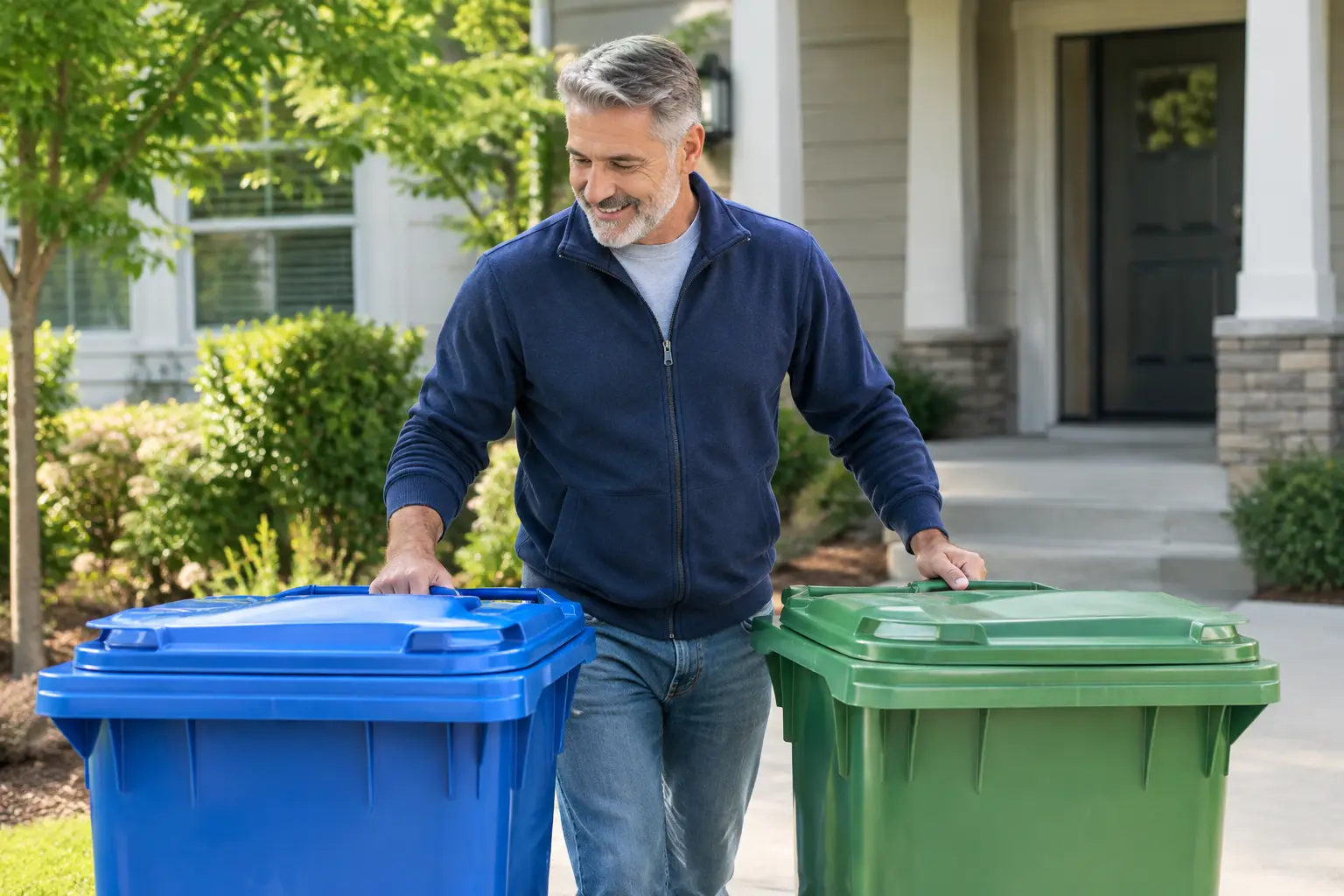
A full trash cart can weigh far more than it looks like it should. Add a long driveway, uneven pavers, wet grass, or Florida heat, and a simple curb-day chore becomes a real fall risk. Aging in place is not only about grab bars, ramps, and a well-designed bathroom. It is also about removing the small, recurring tasks that quietly ask too much of your body.
For many homeowners, independence means continuing to live comfortably in the home they know and love. The best plan is not built around waiting for an emergency. It is built around routines that make daily life safer, easier, and more predictable now.
What aging in place really requires
Aging in place means having the support to remain in your own home as your needs change. That support may include home updates, help from family, health care services, transportation, and reliable household routines.
The word "independence" can make people think they must do every task themselves. That is not the point. Real independence is deciding how your home is cared for without needing to risk a pulled muscle, a fall, or an exhausting afternoon to make it happen.
A useful question is: which chores have the highest risk for the lowest reward? Carrying a loaded laundry basket down stairs, climbing a ladder to change a bulb, or rolling a large garbage cart across a sloped driveway are common examples. Hiring help for these tasks is not giving something up. It is protecting your ability to enjoy the parts of homeownership that matter most.
Start with the routines that repeat
One-time projects get attention because they are visible. Recurring chores deserve the same attention because repetition is where strain adds up. A task that feels manageable once can become difficult when it happens every week, in bad weather, during a flare-up, or after a long day.
Walk through a typical week and notice where your home asks for lifting, bending, reaching, carrying, or walking on uneven ground. Pay special attention to tasks performed on a schedule, since missing them can create an immediate problem. Trash day is a good example. A missed pickup may leave overflowing bins, odors, pests, and an avoidable headache until the following week.
For each routine, consider whether the task is safe on your hardest day, not just your best day. If the answer is no, it is time to adjust the system. That might mean moving supplies to a lower shelf, arranging grocery delivery, asking a neighbor for support, or choosing a recurring service that handles the physical part.
Make curb day a hands-free routine
Trash carts are designed to hold a lot, which means they can be awkward to move when full. Standard 95-gallon carts can be especially challenging on gravel, grass, long driveways, or streets with a curb that requires an extra push and pull. In Sarasota and surrounding coastal communities, summer heat and sudden rain can make the job even less appealing.
The risk is not limited to lifting. A cart can roll unexpectedly, catch on a crack, tip on a slope, or force you to twist while trying to guide it. Those are the kinds of ordinary moments that can lead to a sore back, a strained shoulder, or worse.
A trash-can valet service removes that pressure from the weekly schedule. At Curb Critter, carts are moved out after 5 p.m. before collection and returned after 3 p.m. on collection day, with photo confirmation at both steps. Homeowners stay hands-free, while family members and property managers have clear proof that the job was completed.
That consistency matters. You do not have to watch the clock, remember which collection day changed for a holiday, or step outside to wrestle a cart back from the curb before an HOA notice becomes a concern.
Clean bins support a healthier home exterior
Moving the cart is only part of the job. The bin itself can become unpleasant quickly in Florida's heat and humidity. Leaked bags, food residue, rainwater, mold, bacteria, and maggots can turn a container into an odor source that sits close to the garage, side gate, or entry path.
Cleaning a garbage bin at home is not always a simple hose-down. It usually means handling grime, working around odors, and figuring out where the dirty wastewater is going. Washing it in a driveway can send contaminated runoff toward storm drains, which is not a good solution for your property or the surrounding area.
Professional bin cleaning is most effective immediately after collection, when the container is empty. A hot-water cleaning process with sanitizer and deodorizer can remove buildup and odor-causing bacteria before the cart returns to its usual spot. On-site wastewater capture also keeps the mess from becoming improper stormwater runoff.
For an aging-in-place household, this is another small task that no longer has to become a physical, dirty project. The goal is simple: the cart comes back Out, In & Spotless, without requiring you to handle it.
Plan for changing needs without overcorrecting
Aging in place does not require turning your home into a medical facility before you need to. The right changes depend on your mobility, your property layout, your budget, and whether you live alone.
Some improvements are straightforward, such as better exterior lighting, non-slip surfaces near entrances, lever-style door handles, and a clear walking path from the home to the driveway. Others may require more planning, including bathroom renovations, a first-floor bedroom, or a ramp. A trusted contractor or occupational therapist can help identify changes that fit your actual needs rather than a generic checklist.
Service routines are part of this plan, too. They can often be started early and adjusted as circumstances change. A flexible, month-to-month service is useful for homeowners who need ongoing help, as well as seasonal residents who only need support while they are away.
Independence also means less worry for family
Adult children often notice household burdens before a parent wants to discuss them. They may worry about whether the bins made it to the curb, whether the driveway is safe after rain, or whether a missed task signals a larger issue.
Reliable support can lower that worry without making the homeowner feel monitored. Photo confirmation is a practical example. It provides accountability without requiring someone to call, check a doorbell camera, or drive over to inspect the property.
This is also valuable for snowbirds and second-home owners. A cart left at the curb for days can make a property look unattended and may conflict with neighborhood rules. A consistent curb-day routine helps the home look cared for while its owner is elsewhere.
Build a support system before you need one
The best aging-in-place plan is not a single purchase or a single conversation. It is a group of practical choices that reduce risk while preserving control. Keep emergency contacts current, tell a trusted person where important documents are stored, review your home for trip hazards, and make a list of the chores that are no longer worth doing alone.
Then put dependable help in place before an injury, illness, or travel day forces a rushed decision. A safer routine does not make home feel less like yours. It gives you more time and energy to enjoy it, one ordinary day at a time.