When to Return Bins After Pickup and Why It Matters
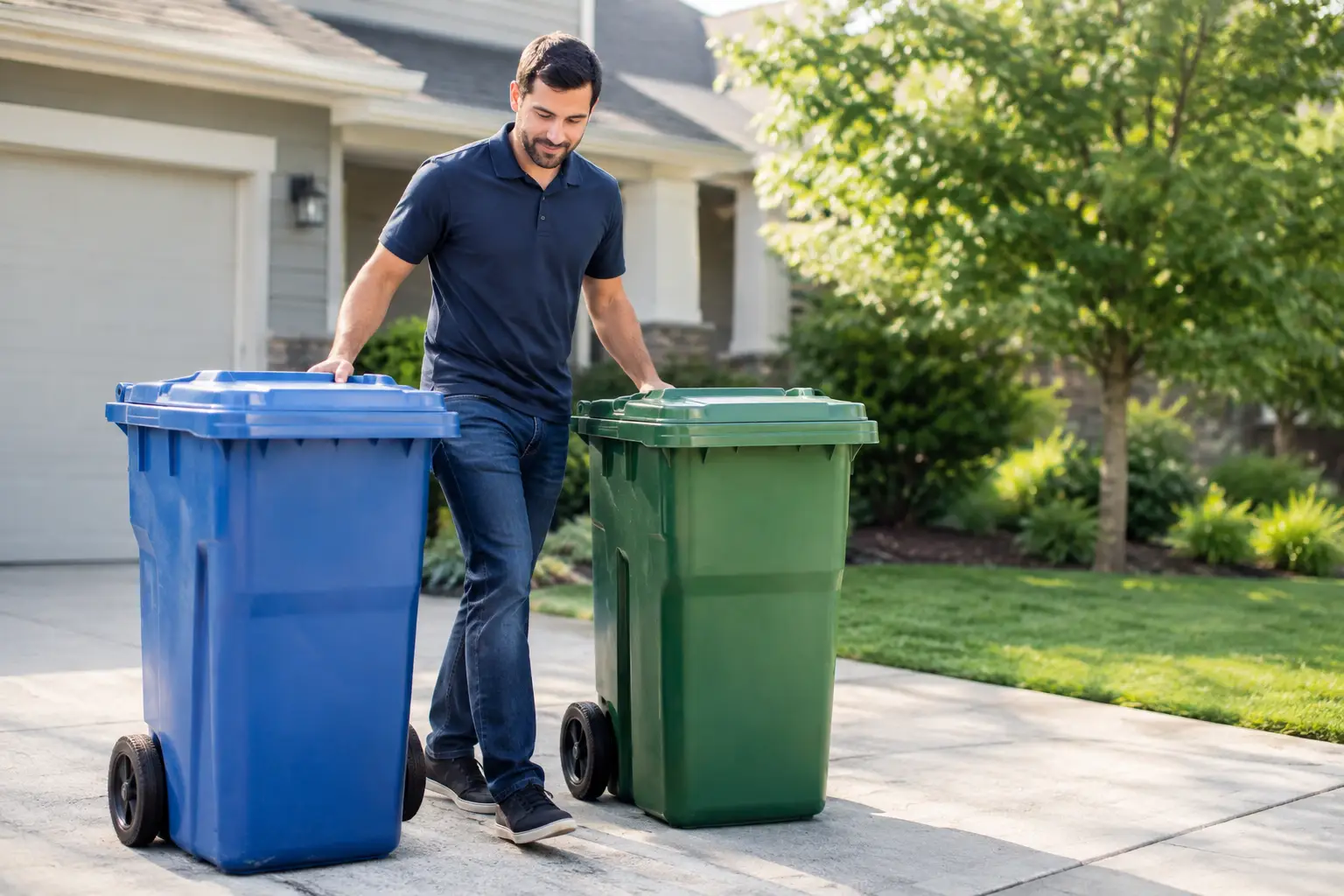
A full trash cart at the curb is temporary. A cart left there for days can make a well-kept home look unattended, create an obstacle in the driveway, and invite HOA complaints. Knowing when to return bins after pickup is one of those small property routines that has an outsized effect - especially in Florida communities where curb appeal, guest readiness, and weekly collection schedules all matter.
For many homeowners, the answer is simple: bring carts back in as soon as collection is complete and the street is clear. The real challenge is doing it consistently when the bins are heavy, the weather is hot, you are out of town, or a guest turnover has taken priority. That is where a dependable routine makes life easier.
Why return bins after pickup promptly?
Trash and recycling carts belong at the curb for collection, not as permanent driveway fixtures. Returning them promptly keeps the front of the home clear and reduces the chance of a minor curb-day task becoming a bigger nuisance.
The most immediate benefit is presentation. In Sarasota, Bradenton, and nearby coastal communities, a cart sitting curbside long after collection can make a property appear vacant or neglected. For second-home owners and snowbirds, that impression matters. For vacation-rental owners, it can be the first thing arriving guests see.
There is a practical safety benefit, too. Large 95-gallon carts can block a walkway, narrow a driveway entrance, or become an obstacle for pedestrians, cyclists, delivery drivers, and vehicles. A bin that is left near the street can also blow over during summer storms, spilling loose debris across the lawn or road.
Then there are neighborhood standards. Many HOA and condominium communities set rules around how long containers may remain visible from the street. The exact policy varies by community, but the expectation is usually the same: put bins out on time, then bring them back promptly after service. Following that routine helps avoid a preventable notice or fine.
The best time to bring carts in
The right return time depends on your local hauler's route and your community's rules. In most cases, the goal is to bring bins back after collection has occurred on your scheduled day, ideally before evening.
A reliable valet schedule removes the guesswork. Curb Critter returns carts after 3 p.m. on collection day, after the collection window has had time to pass. This timing is designed to keep bins available to the hauler while getting them out of sight before the day is over. Customers receive photo confirmation when the carts are returned, so they do not have to wonder whether the job was completed.
There are occasional exceptions. Collection may run late after a holiday, a storm, or a route disruption. If your neighborhood is still waiting on service, leave the carts out until pickup is complete. Bringing a cart in too early can mean missed collection, and a missed collection can leave a full bin sitting around for another week.
For homeowners handling the task themselves, a quick check in the afternoon is often enough. If the cart has been emptied, it is ready to come home. If it has not, give the route more time rather than risking a missed pickup.
A note for multiple collection days
Some homes have separate trash, recycling, yard waste, or bulk collection schedules. That can make curb-day management more complicated than it sounds. One bin may be empty while another still needs to stay out.
The simplest approach is to follow the schedule for each container and return only the carts that have been serviced. Keeping a calendar reminder can help, but it still requires someone to be present, available, and physically able to move the bins. That is often the weak point for seasonal residents, busy property managers, and homeowners who would rather not wrestle heavy carts across gravel, grass, or a long driveway.
Return bins after pickup without the physical strain
A typical rolling cart may be easy to maneuver when empty on smooth concrete. It is a different story after rain, over uneven pavers, or when a driveway slopes toward the street. Florida heat adds another layer of effort, particularly for older adults who are wisely looking to reduce lifting, pulling, and fall risks around the home.
The task also tends to happen at inconvenient times. You may be at work, on the beach, traveling north for the season, or preparing a rental for new guests. Bins do not wait for a convenient window, and neither do community rules.
A recurring bin-valet service handles the routine on a set schedule. The carts go out after 5 p.m. before collection, then return after pickup. You stay hands-free, and the bins are where they belong without needing to set reminders, ask a neighbor, or arrange a last-minute favor.
For vacation-rental operators, this consistency can be especially valuable. Guests may fill a cart during a busy turnover week, and an overflowing bin at the curb can quickly become a sanitation and appearance issue. Reliable rollout and return service helps keep the property ready without adding another item to a manager's already full operations list.
An empty bin is the right time to clean it
Returning a cart after pickup is also the best moment to address what is inside it. Once collection is complete, the bin is empty, but it may not be clean. Leaking bags, food residue, moisture, and summer heat create an ideal environment for odor-causing bacteria, mold, flies, and maggots.
That is not the trash - it is the can.
Spraying a bin with a garden hose may move grime around, but it does not provide the hot-water wash, sanitizing treatment, deodorizing, or wastewater control needed for a thorough clean. It can also send dirty runoff toward storm drains, which is not a responsible solution.
Professional cleaning immediately after collection makes practical sense because the container is empty and accessible. Curb Critter uses high-pressure hot water, sanitizer, and deodorizer, while capturing wastewater on site rather than allowing it to run into stormwater drainage. The cart comes back clean, freshened, and ready for the next week of household waste.
Cleaning frequency depends on how the bin is used. A household with bagged trash and limited food waste may need less attention than a busy rental home, a family with frequent cooking waste, or a property where the cart sits in full sun. In warm, humid conditions, monthly cleaning is a sensible baseline for many homes because odor and buildup do not take long to return.
What a dependable curb-day routine looks like
The best routine is not complicated. It is consistent. Bins go out at the proper time, remain available for the hauler, get brought back after service, and are cleaned on a regular schedule. Each step supports the next one.
This kind of routine protects more than curb appeal. It helps a home look occupied while the owners are away. It keeps carts from lingering on the street. It reduces the physical burden of moving heavy containers. And it gives property managers a clear record that an essential task was handled.
Photo confirmation is especially helpful when you cannot be there. A simple photo of the carts at the curb and another when they are returned provides accountability without adding phone calls or uncertainty. For a homeowner out of state or an operator managing several properties, that proof can turn a routine service into real peace of mind.
Small curb-day details, better property care
Returning bins after collection is not glamorous, but it is part of keeping a property orderly, safe, and ready for whatever comes next. The right timing protects collection service. The right routine protects your time. And a clean cart makes the trip back to the side of the house a lot more pleasant.
The next time collection day rolls around, look at the task as one less thing you need to carry. A reliable Out, In & Spotless routine lets the bins do their job without becoming yours.