How to Sanitize Outdoor Carts Without the Mess
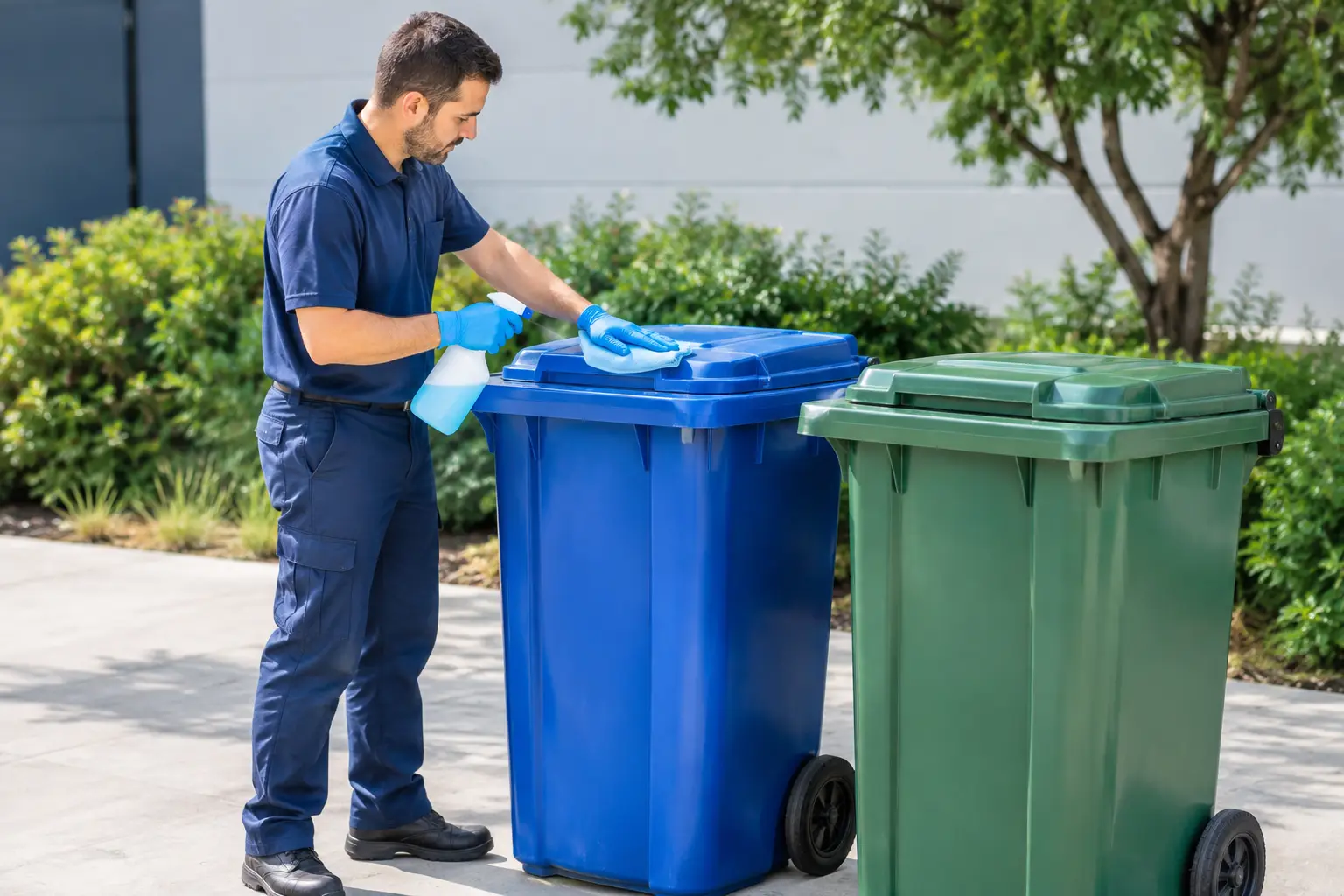
A trash cart can look fine from the driveway and still smell like trouble when the lid opens. In Florida heat, spilled food, bag leaks, rainwater, and humidity create a sticky film that feeds odor-causing bacteria, mold, flies, and maggots. To sanitize outdoor carts effectively, you need more than a quick blast from a garden hose.
For homeowners, the issue is not just unpleasant. A dirty bin can attract pests near the garage, make curb day harder to handle, and leave a poor impression at a rental or second home. For property managers, it can become a repeat complaint after guest turnover. The good news is that a clean-cart routine does not have to mean wrestling a 95-gallon bin in the driveway every weekend.
What Cleaning and Sanitizing a Cart Actually Involves
Cleaning removes visible grime: residue on the bottom, stuck-on spills, loose debris, and the black buildup around the lid and wheels. Sanitizing goes further by applying an appropriate product after the grime is removed to reduce the germs that contribute to odors and unsanitary conditions.
Those are related jobs, but they are not identical. Spraying fragrance into a dirty cart may make it smell better for an afternoon, but it does not remove the source. Likewise, rinsing a cart with cold water can wash away loose mess while leaving greasy residue and bacteria behind.
A better process uses hot water, pressure, a sanitizer, and deodorizer in that order. Heat and pressure loosen the material clinging to the cart. Sanitizer addresses what remains after cleaning. Deodorizer helps neutralize the odors that make a bin unpleasant to use between collection days.
Timing matters, too. The best time to clean a cart is immediately after collection, when it is empty. Cleaning it before pickup means handling a full container and possibly washing away material that would otherwise be collected. Cleaning after pickup gives the cart time to dry before the next bag goes in.
Why Florida Outdoor Carts Get Dirty So Fast
In Sarasota and Manatee County, heat is part of the problem. Warm temperatures speed up the breakdown of food waste and amplify odors. Afternoon storms can add standing water to a cart, while humidity slows drying. A small leak from one trash bag can turn into a sour, sticky layer after a few hot days.
Then there is the practical reality of curbside life. Trash carts sit beside garages, along side yards, and near walkways. If the lid does not close because the bin is overfilled, animals and insects have easier access. If a cart is left at the curb too long, it can also draw unwanted attention from neighbors or an HOA.
Vacation rentals face a different version of the same challenge. Guests may not know collection schedules, may leave loose trash behind, or may place bags in the wrong container. When a bin is already dirty, the next guest notices quickly. That is not the trash - it is the can.
How to Sanitize Outdoor Carts at Home
If you are cleaning your own cart, wait until collection is complete and the container is empty. Wear gloves, close-toed shoes, and clothing you do not mind getting wet. Work outdoors in a spot where you can manage wastewater responsibly, not near a storm drain.
Start by removing loose debris with a scoop, paper towels, or a disposable scraper. Do not reach into the bottom of a deep cart without checking for sharp objects. Broken glass, metal can lids, and discarded needles are uncommon but possible.
Next, rinse the interior with hot water if available. Apply a cleaner suitable for plastic surfaces and allow it to sit as directed on the label. Use a long-handled brush to scrub the bottom, inner walls, lid, rim, and the area around the wheels. The lid hinge and bottom corners deserve extra attention because they collect residue that a quick rinse misses.
Rinse away the loosened grime, then apply a sanitizer according to its label instructions. Sanitizers need the correct dilution and contact time to work. More product is not automatically better, and mixing chemicals can create dangerous fumes. Never combine bleach with ammonia, acids, or other household cleaners.
After sanitizing, rinse only if the product label requires it. Let the cart air-dry with the lid open for a short time, then close it to keep rainwater, insects, and leaves out. A deodorizer can be useful once the cart is clean, but it should support the cleaning process rather than replace it.
The wastewater problem homeowners often miss
The dirty water from a cart is not just soap and rinse water. It may contain food residue, bacteria, grease, cleaning chemicals, and material from decaying waste. Sending that water down a driveway toward a storm drain can carry it into local waterways.
That is the trade-off with a driveway DIY wash: it can save a service call, but only if you can clean thoroughly and contain the wastewater properly. A hose-only rinse often spreads the mess farther than it removes it.
When a Professional Cart Cleaning Service Makes More Sense
A professional service is especially useful when carts are heavily soiled, when someone cannot safely maneuver a large container, or when the routine simply never gets done. That last reason is common. People intend to clean the bins, then collection day arrives, work gets busy, travel starts, or the Florida heat makes the task less appealing than it sounded.
The process should be straightforward. The cart is emptied by the hauler, then cleaned with high-pressure hot water. A sanitizer and deodorizer are applied, and the wastewater is captured on-site rather than washed into the street. The bin returns clean, dry enough for regular use, and ready for the next collection cycle.
For recurring service, pairing cleaning with cart valet is practical. The same route that brings bins out after 5 p.m. before collection and returns them after 3 p.m. on collection day can handle cleaning after the truck has emptied them. There is no separate appointment to remember and no reason to leave a cart sitting out longer than necessary.
Curb Critter is built around that rhythm: bins are Out, In & Spotless, with photo confirmation for the curb-out and return. That can be a meaningful safeguard for snowbirds, older adults aging in place, and rental owners who need proof that a simple but essential job was handled.
How Often Should You Clean a Trash Cart?
For most households, monthly cleaning is a sensible baseline in warm climates. It keeps residue from becoming a hardened layer and addresses odors before they become noticeable from several feet away. Homes with young children in diapers, frequent seafood or meat waste, pet waste, or several residents may benefit from more frequent attention.
Rental properties may need cleaning based on turnover volume and guest behavior. A home with occasional weekend stays is different from a high-occupancy property with back-to-back bookings. If carts regularly overflow or smell between pickups, the answer may be more frequent cleaning, better bagging practices, or both.
A few habits help keep a freshly sanitized cart cleaner longer. Tie bags securely, avoid placing loose food waste directly in the bin, keep the lid closed, and rinse recycling items that contain food residue. If a bag leaks, address it soon after collection instead of waiting for the next monthly clean.
A Clean Cart Is Easier to Live With
Trash handling is one of those household jobs nobody plans their day around until it becomes a problem. The smell reaches the garage. The wheels track grime across the driveway. The bin is too heavy to pull through grass or gravel. A guest, neighbor, or HOA notices it sitting at the curb.
A regular sanitation routine removes that friction. Whether you clean a cart yourself or put it on a recurring service schedule, do it after collection, manage wastewater carefully, and do not confuse perfume with cleanliness. The goal is simple: a cart that is ready for the next bag without making the rest of the property feel less cared for.