Sustainable Bin Care Trends Worth Watching
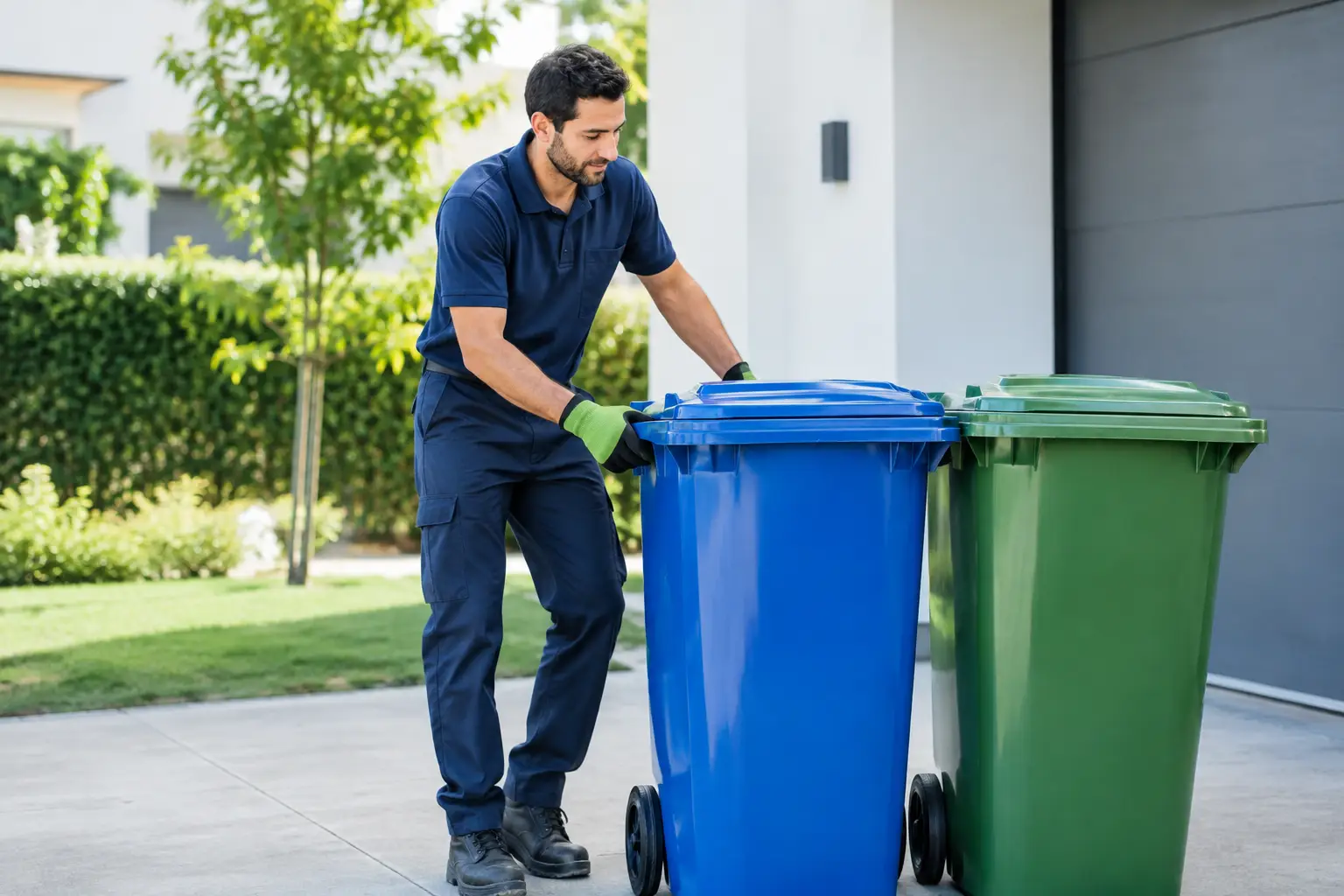
A trash cart can become a bigger household problem than most people expect. In Florida heat, one missed pickup, a leaking bag, or a few days of rain can leave behind smells, bacteria, mold, and pests. The most useful sustainable bin care trends are not about making a trash can look fancy. They are about handling a necessary chore with less runoff, less waste, less physical strain, and fewer surprises on collection day.
For homeowners, seasonal residents, and vacation-rental managers, that shift matters. A clean, correctly placed cart helps a property look cared for, keeps common areas more pleasant, and prevents a small recurring task from turning into an HOA complaint or a sanitation issue.
Sustainable Bin Care Trends Start With Water Control
The biggest change in responsible bin cleaning is where the dirty water goes. A quick rinse in the driveway may feel harmless, but the water can carry food residue, grease, bacteria, cleaning chemicals, and debris toward storm drains. Stormwater systems are not designed to treat that wash water before it reaches local waterways.
Professional services are increasingly built around on-site wastewater capture. Rather than sending dirty water down the driveway or into the street, the cleaning setup contains and collects it for proper disposal. This is a practical standard, especially in coastal and rain-prone areas where drainage connects closely to bays, canals, and neighborhood retention systems.
Water use still matters, of course. High-pressure equipment can clean effectively without relying on a long, low-pressure hose rinse that runs unchecked. The goal is not simply using less water at any cost. It is using water deliberately, cleaning thoroughly, and keeping contaminated wastewater out of places it does not belong.
Cleaners Are Becoming More Targeted
Another trend is moving away from the idea that stronger-smelling chemicals mean a cleaner cart. Odor can be masked without addressing the organic grime and bacteria causing it. A better process uses hot water, sanitizer, and deodorizer in the right order: remove buildup first, sanitize the surfaces, then leave the container smelling fresh rather than perfumed.
That approach also recognizes a trade-off. A light household wipe-down may be enough after a dry, tidy week. But a cart with spilled meat packaging, pet waste, diapers, mold, or maggots needs more than a fragrance spray. The sustainable choice is the one that actually solves the sanitation problem without creating improper runoff.
Cleaning Empty Carts Is the Smarter Routine
Timing is one of the most overlooked sustainable bin care trends. Cleaning a cart before collection means working around bags, loose trash, and the risk of making an even bigger mess. Cleaning immediately after pickup, when the container is empty, is more efficient and more hygienic.
An empty cart allows every interior surface to be reached, including the bottom corners where residue tends to sit. It also means the bin can be returned ready for the next household load, instead of staying dirty until a separate appointment can be scheduled.
For recurring service, this timing reduces unnecessary trips. When bin valet and cleaning happen on the same route, there is no need for a homeowner to wait around for another service window or pull a dirty cart back out later. Fewer separate trips can mean less driving, less disruption, and a routine that is easier to keep.
That is why Curb Critter combines monthly post-collection cleaning with recurring curb-day handling. The cart goes out after 5 p.m. before scheduled pickup, returns after 3 p.m. on collection day, and can be cleaned while it is empty. It is a simple sequence: Out, In & Spotless.
Convenience Is Becoming Part of Sustainability
Sustainability is often discussed as a materials issue, but household habits matter too. A service only helps if people can realistically use it week after week. For many residents, moving a full 95-gallon cart over a long driveway, gravel, grass, or a sloped curb is not a minor task. It can be difficult in summer heat and risky after rain.
Reliable valet service makes proper waste handling easier to maintain. Carts are less likely to sit at the curb for days, block a walkway, or miss the collection window because the homeowner is traveling, recovering from an injury, or managing multiple properties. For older adults aging in place, that consistency can remove a physical burden without giving up control of the home routine.
For snowbirds and second-home owners, a cart left out too long can make a vacant home look unattended. For vacation rentals, missed trash handling can quickly become a guest complaint, especially during a busy turnover week. A recurring schedule creates a dependable baseline, even when the owner is not in town.
Proof Matters as Much as the Promise
One practical trend is photo confirmation. It may not sound environmental, but it helps prevent repeat trips, unnecessary calls, and uncertainty about whether a cart was handled. A photo after rollout and another after return gives homeowners and property managers clear proof that the task was completed.
This is especially useful for properties with HOA rules or rental teams coordinating from another city. Instead of wondering whether the bins were brought back before guests arrive, owners have a record. Dependable service is not just about doing the work. It is about making the result visible.
Cleaner Carts Can Reduce Avoidable Waste
Bin care does not replace recycling rules or proper bagging, but it can support better habits. When carts are foul, sticky, or crawling with pests, people are more likely to overbag items, leave trash beside the bin, or avoid sorting recyclables correctly. Keeping the container usable makes the right behavior less unpleasant.
The best prevention still begins inside the home. Bag wet waste securely, keep lids closed, and rinse recyclable containers when practical. If a bag leaks, address it before the residue bakes onto the cart. These small steps reduce the intensity of cleaning needed later.
At the same time, homeowners should be realistic. No amount of careful bagging completely prevents odor during a Sarasota summer. Heat and humidity speed up the problem. Monthly professional cleaning is often a sensible middle ground for homes that want a consistently sanitary cart without the water, equipment, and cleanup work of doing it themselves.
What to Look for in a Responsible Bin-Care Service
Not every cleaning method delivers the same result. Before choosing a recurring plan or a one-time cleaning, ask how the service handles wastewater, when it cleans, and whether sanitation is part of the process. A rinse alone may improve appearance, but it may not remove odor-causing buildup.
It also helps to look at the service routine as a whole. Does the provider work after collection, when carts are empty? Can it handle the recurring task without requiring a separate appointment? Is there confirmation that the cart was moved and returned? These details turn a nice idea into a dependable household system.
Pricing and flexibility deserve attention, too. A full-time homeowner may prefer recurring service, while a traveler may only need a one-time trip before leaving town or returning for the season. The right plan depends on the property, the number of carts, collection frequency, and how much hands-on work the owner wants to avoid.
The future of bin care is not complicated. It is cleaner carts, smarter timing, responsible water handling, and a routine that works when life gets busy. The next time the trash goes out, consider whether the cart itself is being cared for as reliably as the home it serves.