Bin Cleaning That Stops Odors at the Source
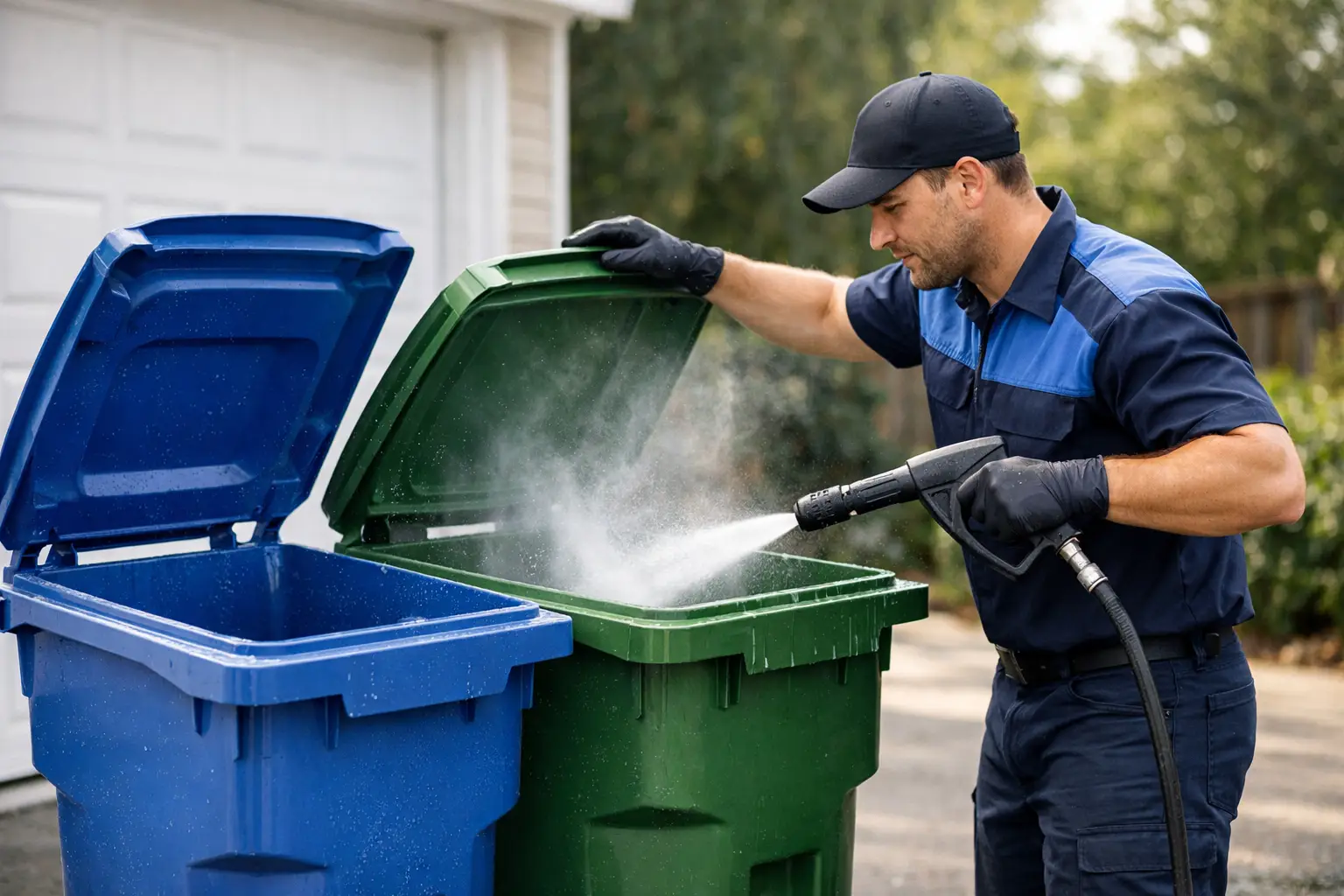
A trash cart can look fine from the driveway and still smell like trouble the moment you lift the lid. In Florida heat and humidity, food residue, liquids, and yard waste turn an ordinary can into a breeding ground for odors, grime, mold, and maggots. Regular bin cleaning is not a cosmetic extra. It is a practical part of keeping your home, rental property, or second home clean, presentable, and easier to manage.
For many households, the hard part is not recognizing that the bin needs attention. It is finding a way to clean it without hauling a heavy cart across the yard, handling foul runoff, or trying to scrub a deep 95-gallon container in the midday heat. A better approach starts with cleaning at the right time and using a process built for the job.
Why Dirty Carts Get Worse So Fast
Trash bins collect more than bagged garbage. A leaking chicken package, a spilled drink, pet waste, wet cardboard, or a torn trash bag can leave residue at the bottom and along the inner walls. Once that material sits in a closed cart, bacteria feed on it. The result is the familiar sour, rotten smell that seems to return no matter how tightly the lid is closed.
Heat speeds up the problem. Sarasota and Bradenton homeowners know that a cart can go from mildly unpleasant to impossible to stand near after a few hot days. Moisture also creates favorable conditions for mold and insects. Flies are drawn to food waste, and maggots can appear when eggs are laid in a bin with accessible organic material.
A quick spray from a garden hose may rinse away loose debris, but it rarely removes the sticky film where odor-causing bacteria collect. It can also send contaminated water toward a driveway drain, street, or stormwater system. That is an avoidable mess, not a complete cleaning plan.
What Professional Bin Cleaning Should Actually Do
Professional bin cleaning is most effective when it treats the source of the odor rather than trying to cover it with fragrance. The process should remove built-up residue, sanitize the interior surfaces, and leave the cart dry enough to avoid creating a new damp environment for bacteria and mold.
Clean the Cart When It Is Empty
Timing matters more than many people realize. A full or partly full bin cannot be cleaned thoroughly, and moving leftover trash around only makes the job harder. The best window is immediately after collection, while the cart is empty and before fresh garbage starts accumulating.
This is also where a recurring valet-and-cleaning routine has a practical advantage. The same service schedule that gets bins out for collection and back where they belong can coordinate cleaning after pickup. There is no separate appointment to remember and no need to leave an empty cart sitting in an inconvenient spot all day.
Use Hot Water, Pressure, and Sanitizer
A quality cleaning process uses high-pressure hot water to break up grime on the bottom, walls, lid, and rim. Pressure alone can remove visible residue, but sanitation is what helps address the bacteria that contribute to lingering smells. A deodorizer can then leave the container fresher without simply masking the problem.
There is a trade-off here. A DIY pressure washer can be useful for an occasional rinse, but it requires equipment, time, protective clothing, and a place to manage the spray. It also may not provide the hot-water cleaning or wastewater handling needed for a truly tidy result. For a small, lightly used bin, a careful home clean may be enough. For recurring odors, rentals, or bins used by a busy household, professional equipment usually makes a noticeable difference.
Capture the Wastewater
The water coming out of a dirty cart is not clean water. It can contain food residue, bacteria, cleaning products, and grime that should not run into a storm drain. Responsible service means capturing wastewater on site rather than washing it down the driveway and hoping it disappears.
This detail matters in coastal communities and neighborhoods where drainage leads toward local waterways. It also matters for homeowners who simply do not want a smelly, dirty stream crossing the front of their property. Clean bins should not come at the expense of a dirtier curb.
The Convenience Benefit Is Bigger Than a Fresh Smell
A clean cart is easier to live with, but the routine around it can be just as valuable. Large trash bins are awkward when they are empty and significantly harder to move when they are full. Driveways, grass, gravel, pavers, and uneven curb lines all add difficulty. For older adults aging in place, that weekly task can become a real physical burden.
For seasonal residents, the concern is different but equally practical. A missed collection can leave a full cart exposed for days, making a home look unattended and inviting complaints from neighbors or an HOA. Vacation-rental owners have another layer to manage: guest turnover does not always line up neatly with collection day, and an overflowing bin can become a guest-experience issue fast.
A dependable routine removes those loose ends. With Curb Critter, bins are rolled out after 5 p.m. before scheduled collection, returned after 3 p.m. on collection day, and documented with photo confirmation at both stages. Cleaning takes place after collection, when the carts are empty. The result is simple: bins are Out, In & Spotless, without asking you to plan your day around trash service.
How Often Should You Schedule Bin Cleaning?
Monthly cleaning is a sensible baseline for most homes in warm climates. It prevents residue from becoming a long-term buildup and keeps odors from reaching the point where opening the lid feels like a gamble. It also works well for households that produce regular kitchen waste, use one cart for pet waste, or have several people sharing the home.
Some properties may need more attention during peak use. A vacation rental with frequent turnovers, a home hosting family for the season, or a property with diapers and pet waste may develop odors faster. On the other hand, a lightly used second home may stay in good shape with less frequent service, depending on local collection schedules and how long the home sits vacant.
The right frequency is not about making a bin look perfect every day. It is about preventing the avoidable problems: baked-on grime, fly activity, bad smells near the garage, and the unpleasant job of scrubbing a cart after the issue has already gotten out of hand.
Small Habits That Help Between Cleanings
Even a professionally cleaned cart benefits from a few simple habits. Bag food waste securely, especially liquids and greasy containers. Keep the lid closed to limit rainwater and discourage pests. If a bag breaks, place a new bag over the spill before adding more trash so residue does not get pressed deeper into the bottom of the cart.
It also helps to avoid treating the bin as a catch-all storage spot. Loose cardboard, unbagged pet waste, and open food containers create more mess than necessary. These habits will not replace bin cleaning, but they can help each service last longer and keep pickup day more pleasant.
A trash cart will always do a dirty job. It does not have to become the dirtiest part of your property. Put the heavy lifting, the curb timing, and the cleanup on a dependable routine, then enjoy a driveway that feels cared for every time you come home.