Bin Deodorizing That Actually Lasts Longer
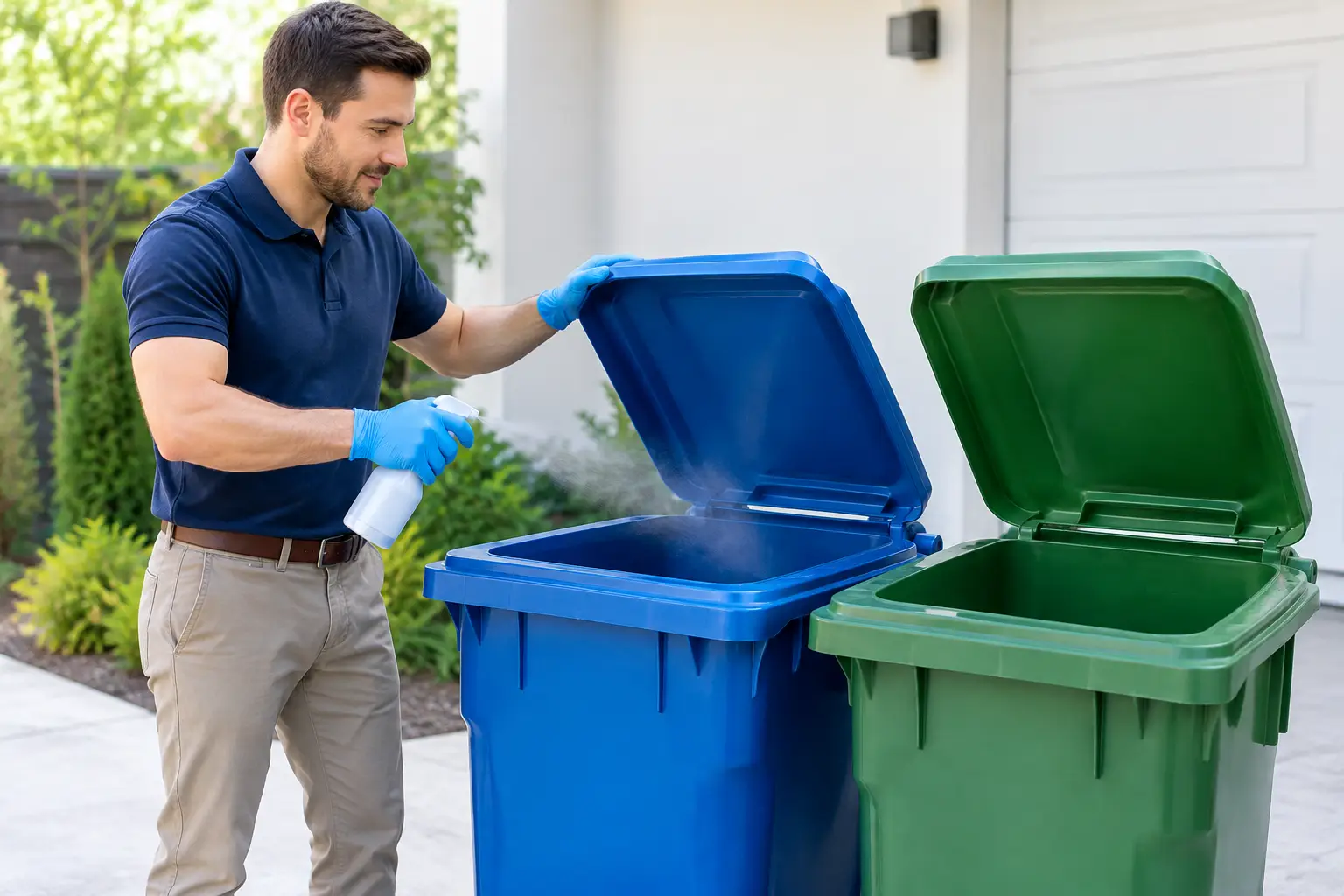
That sour smell near the garage is rarely “just trash.” In Florida heat, a little leaked food, pet waste, moisture, and residue at the bottom of a cart can turn into a stubborn odor fast. Effective bin deodorizing is not about covering that smell with a stronger fragrance. It starts by removing the grime and bacteria feeding it.
For homeowners, seasonal residents, and vacation-rental managers, a clean-smelling cart does more than make curb day less unpleasant. It helps keep pests away, protects the appearance of the property, and makes handling a large bin feel less like a chore. The best approach depends on what is in the cart, how often it is used, and whether it gets a true wash between pickups.
Why Trash Carts Start Smelling So Quickly
A garbage cart is a warm, enclosed container that regularly collects organic waste. Food scraps, drink residue, diapers, pet waste, seafood shells, and damp paper products all leave behind material that bacteria can break down. That process creates the familiar sour, rotten, or ammonia-like odor.
Florida weather speeds things up. Heat encourages bacterial growth, while humidity keeps residue from drying out completely. A cart that sits in the sun after collection can smell worse by the afternoon than it did that morning. Rain can add another complication: it mixes with debris in the bottom of the bin and creates a dirty, odor-producing slurry.
Fragrance products may make the cart smell better for a day or two, but they do not remove the source. If a bin smells fine right after a deodorizer is added and bad again after the next hot day, the cart likely needs cleaning, not more scent.
Bin Deodorizing Works Best After a Real Cleaning
The order matters. First remove the stuck-on debris, then sanitize the interior, then apply a deodorizing treatment. Skipping the first step is like spraying air freshener in a kitchen trash bag that is still leaking at the bottom.
A proper cleaning should reach the lid, rim, handles, wheels, and bottom corners, where residue collects. High-pressure hot water helps loosen grime that a garden hose may leave behind. Sanitizer addresses odor-causing bacteria, while deodorizer helps neutralize lingering smells after the cart is clean.
Cleaning immediately after collection is the practical sweet spot because the cart is empty. There is no need to move bags around or schedule a separate trip around a full bin. With Curb Critter, cleaning is performed after collection as part of a recurring route, using hot water, sanitizer, deodorizer, and on-site wastewater capture. That last part matters: washing a bin in the driveway can send dirty runoff into storm drains, where it does not belong.
What You Can Do Between Professional Cleanings
Regular service handles the deep-cleaning work, but a few small habits can help carts stay fresher between visits. The goal is to reduce what reaches the bottom of the bin in the first place.
Bag food waste securely, especially meat, fish, greasy leftovers, and used cooking materials. Double-bagging can be worthwhile after a cookout, holiday meal, or guest turnover when the trash is heavier than usual. If a bag leaks, rinse or wipe the affected area promptly rather than letting it bake in the cart for a week.
Keep the lid closed whenever possible. An open cart invites rainwater, flies, raccoons, and other pests. It also lets odors travel farther across a driveway, patio, or shared side yard. If the cart must be stored near an entryway, keeping it shaded can reduce heat buildup, although shade alone will not solve an already dirty bin.
Simple odor absorbers can help after the cart has been cleaned. Baking soda or a purpose-made bin deodorizer may reduce mild odors, particularly in a lightly used household cart. Use them as maintenance, not as a substitute for washing. Avoid pouring harsh chemicals, bleach mixtures, or large amounts of loose powder into a dirty bin. Those products can create fumes, leave residue, and still fail to remove the source of the odor.
When Odor Points to a Bigger Sanitation Issue
Some smells are a clear signal that the cart needs attention now. A persistent rotten odor, visible black residue, mold growth, insect activity, or maggots mean there is more than a temporary freshness problem. These conditions can be especially frustrating for rental owners preparing for a guest arrival or homeowners who need bins stored close to the house.
Maggots are often the result of flies laying eggs near food waste. They are unpleasant, but they are also manageable. Empty the cart on collection day, then have it thoroughly washed, sanitized, and deodorized while empty. Keeping the lid closed and bags sealed afterward reduces the chance of a quick repeat.
Mold can form when moisture and residue remain in the cart for extended periods. This is common in bins that sit unused while a seasonal resident is away, then receive a large amount of trash after the home reopens. A one-time cleaning can reset the cart, but recurring service is usually the easier choice for homes that generate regular waste or rentals with frequent turnovers.
How Often Should You Deodorize a Garbage Bin?
For many homes, monthly deep cleaning is a sensible baseline. It is frequent enough to remove buildup before odor becomes a regular problem, without treating every pickup day like a major project. Families with young children, pet owners, frequent entertainers, and vacation rentals may benefit most from a consistent monthly schedule because their carts often see more wet or organic waste.
A lightly used cart may not need intensive cleaning as often. Even then, deodorizing should follow the condition of the bin rather than a rigid calendar. If it smells clean, looks clean, and stays dry inside, a maintenance treatment may be enough. If residue is visible or the odor returns soon after trash day, increase the cleaning frequency.
The same principle applies to second homes. A cart can sit empty for weeks, but it may still need attention before an owner returns or guests arrive. Regular curb-side handling also helps the property look cared for while no one is there. Photo confirmation of rollout and return provides useful peace of mind when the homeowner is states away.
The Convenience Factor Matters, Too
Bin deodorizing is often presented as a small cleaning task. In real life, it is tied to a larger routine: dragging a heavy 95-gallon cart down a long driveway, getting it out before collection, bringing it back in the Florida heat, then dealing with whatever is stuck inside.
For older adults aging in place, that routine can create unnecessary strain and trip risk. For a property manager, it can mean fielding a complaint because a bin was missed, overflowing, or left at the curb too long. For a snowbird, it is one more detail that has to be coordinated from afar.
A service that handles the cart before pickup, returns it afterward, and cleans it when empty solves the full problem rather than one piece of it. Bins are out after 5 p.m. before scheduled collection, back in after 3 p.m. on collection day, and kept hands-free for the homeowner. That is a cleaner cart, but it is also a more dependable property routine.
A fresh bin should not require holding your breath, hauling out a hose, or hoping the smell fades on its own. Keep waste contained, address leaks quickly, and choose a cleaning routine that fits how your household or property actually operates. When the cart is clean after collection, curb day becomes one less thing to manage.