Bin Hygiene: What Your Garbage Can Is Hiding
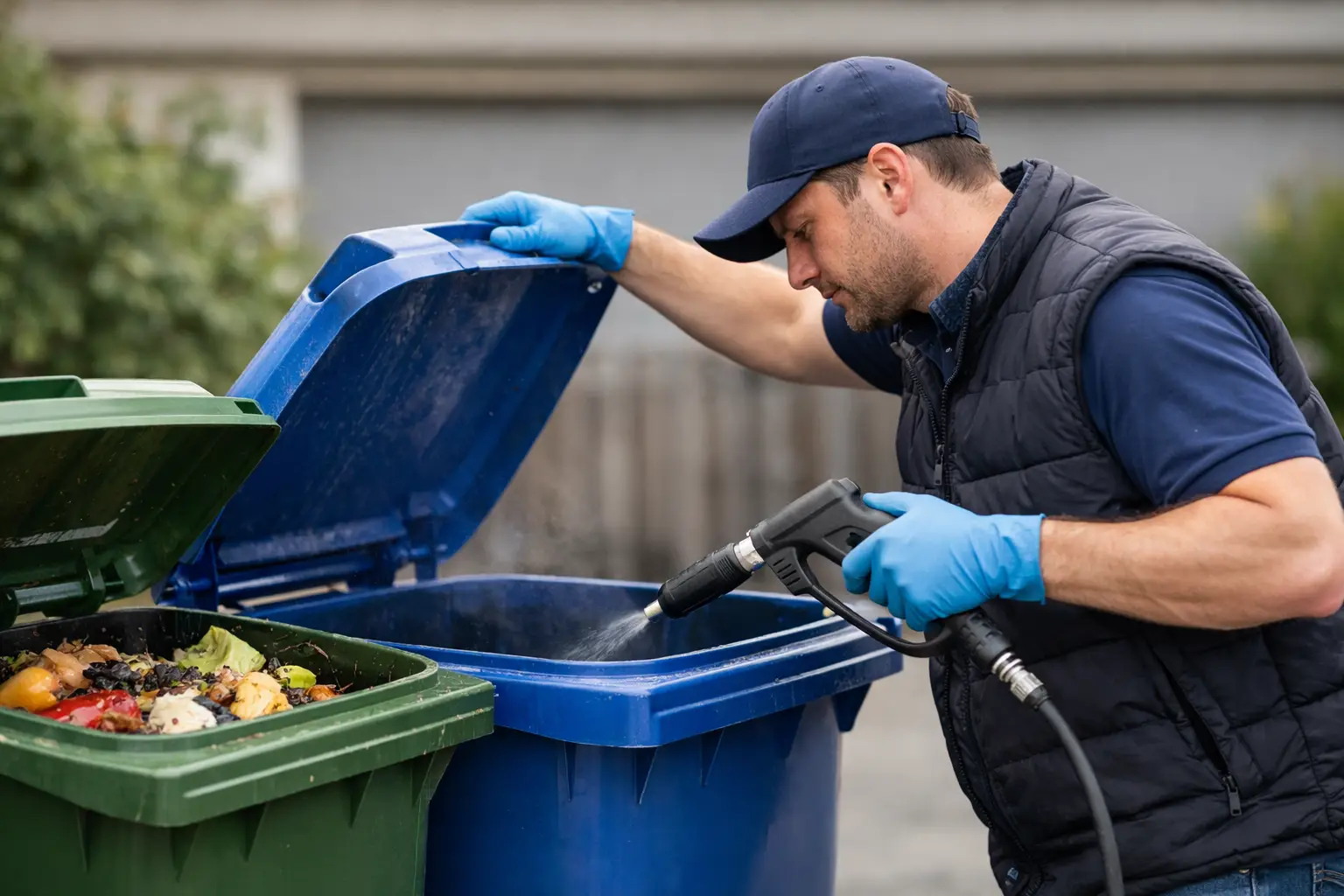
A garbage cart can look harmless once the lid is closed. But in Florida heat, one leaking bag of shrimp shells, pet waste, or spoiled leftovers can turn it into a source of stubborn odor, slime, insects, and bacteria fast. Bin hygiene is the routine of keeping the container itself clean, not just taking the trash out on time. It is one of those small property-care details that becomes very noticeable when it is ignored.
For homeowners, the problem often starts with a simple reality: the bin is too big, too heavy, too dirty, or too unpleasant to deal with. For vacation-rental and second-home owners, it can become a curb-appeal issue between visits. Good bin care keeps a necessary household item from becoming the worst-smelling part of the driveway.
What Builds Up Inside a Garbage Bin?
Trash bags are not perfectly sealed. Liquids leak, food residue sticks to the walls, and bags tear as they are lifted or compacted. Once that residue is inside the cart, heat and moisture give odor-causing bacteria a place to multiply. A rinse with a garden hose may remove loose debris, but it rarely removes the film that clings to the bottom, lid, wheels, and interior corners.
That buildup can lead to a few familiar problems: sour or rotten odors when the lid opens, flies gathering around the cart, maggots in warm weather, and dark mold-like growth in damp areas. The smell may seem like it is coming from the garbage, but after pickup, the garbage is gone. That is when many homeowners realize the source is the can itself.
A dirty cart can also transfer grime to hands, sleeves, garage floors, and vehicle trunks. If you store bins near a side entry, pool enclosure, or garage, the odor has a way of following you. This is especially frustrating when you have worked hard to keep the rest of the property clean and guest-ready.
Why Bin Hygiene Matters in Florida
Sarasota and Manatee County homes deal with conditions that make dirty bins harder to ignore. High temperatures accelerate odors. Humidity helps residue stay damp. Frequent rain can add water to an already messy cart, while afternoon storms can spread runoff across driveways if bins are washed carelessly.
Pests are another concern. Flies are drawn to food residue, while other animals may investigate a cart that smells like an easy meal. Keeping lids closed and bags secured helps, but it does not solve the problem of old residue already inside. Regular cleaning reduces the material that attracts insects and creates lingering smells.
For HOA communities, presentation matters too. A stained, overflowing, or foul-smelling trash cart can draw attention for the wrong reasons. Clean bins will not eliminate every trash-day rule, but they help keep the exterior of a home looking cared for. That matters for full-time residents, seasonal owners, and rental properties with frequent guest turnover.
There is also the physical side of the job. A standard 95-gallon cart is awkward to move, especially across long driveways, grass, gravel, or uneven pavement. Trying to tip one over for a do-it-yourself wash can strain backs, shoulders, and wrists. The task is manageable for some households, but it is not a practical monthly chore for everyone.
Bin Hygiene Is More Than a Quick Rinse
A proper cleaning process does three jobs: it removes stuck-on grime, addresses bacteria that contribute to odor, and leaves the container dry and fresh enough for its next load of trash. Water alone is often not enough, particularly after weeks of drips and spills.
Professional bin cleaning typically uses high-pressure hot water to loosen debris, followed by a sanitizer and deodorizer. The order matters. Sanitizer works better after grime has been removed, and deodorizer should support cleaning rather than simply cover an odor for a day or two.
Just as important is where the wastewater goes. Washing a bin in the driveway with a hose can send dirty water, food residue, and cleaning products toward the storm drain. Storm drains do not lead to a treatment plant. A responsible service captures the wastewater on site instead of letting it run down the street.
The Best Time to Clean a Garbage Cart
The most practical time to clean a cart is immediately after trash collection, while it is empty. It sounds obvious, but it makes a real difference. There is no need to unload bags, reschedule around a full bin, or worry that cleaning water will mix with another week of garbage.
Cleaning right after pickup also gives the cart time to dry before it starts filling again. That helps prevent new bags from sitting in pooled water at the bottom. For households that use valet service, combining return-to-curb handling with post-collection cleaning removes two recurring chores at once.
Curb Critter performs cleaning after collection, then returns bins after 3 p.m. with photo confirmation. The timing is built around how homeowners actually use their carts: trash goes out, collection happens, the empty container is cleaned, and the bin comes back ready for the next week. No separate appointment window. No need to be home.
How Often Should You Clean Your Bins?
For most homes, monthly cleaning is a sensible baseline. It prevents residue from sitting long enough to become a bigger odor and pest issue, especially during the hottest months. Homes with frequent cooking waste, diapers, pet waste, seafood, or multiple family members may benefit from staying consistent year-round rather than waiting until the cart smells bad.
Vacation rentals can need closer attention depending on occupancy and turnover schedules. Guests may not tie bags tightly, sort waste carefully, or know the collection routine. A regular cleaning schedule helps property managers avoid opening a bin after checkout and finding a problem that has been growing for days.
There are trade-offs. Cleaning every week is usually unnecessary for a lightly used household, while once or twice a year may not be enough for a cart that sits in direct sun with regular food waste. Monthly service strikes a practical balance between sanitation, cost, and keeping the task off your calendar.
Small Habits That Keep Bins Cleaner Between Services
Regular professional cleaning works best alongside a few simple household habits. Put food scraps in securely tied bags, and do not place loose waste directly in the cart. If a bag leaks, sprinkle absorbent material such as baking soda or cat litter on the spill until the bin can be cleaned. Keep the lid closed to limit rainwater and discourage pests.
It also helps to avoid overfilling the cart. A lid that cannot close lets odors escape and makes collection harder. For rental properties, clear trash instructions near the kitchen can prevent loose bags and missed pickup days before they create an exterior maintenance issue.
When a strong odor appears, do not assume air freshener will fix it. Fragrance can make the area more tolerable temporarily, but it does not remove the grime producing the smell. The answer is usually a thorough wash, sanitation treatment, and enough time for the cart to dry.
A Cleaner Routine, Without Another Chore
Bin hygiene is easy to overlook because garbage carts are designed to be outside and out of mind. Still, they are part of your home’s weekly routine, and they affect how the driveway, garage, and entry areas feel. A clean cart means less odor at the curb, fewer pest concerns, and one less unpleasant job waiting in the Florida heat.
The best routine is the one that happens consistently. Whether you handle it yourself or have it paired with dependable trash-can valet, clean bins make coming home feel a little more cared for - right down to the curb.