Can to Curb: A Better Routine for Trash Day
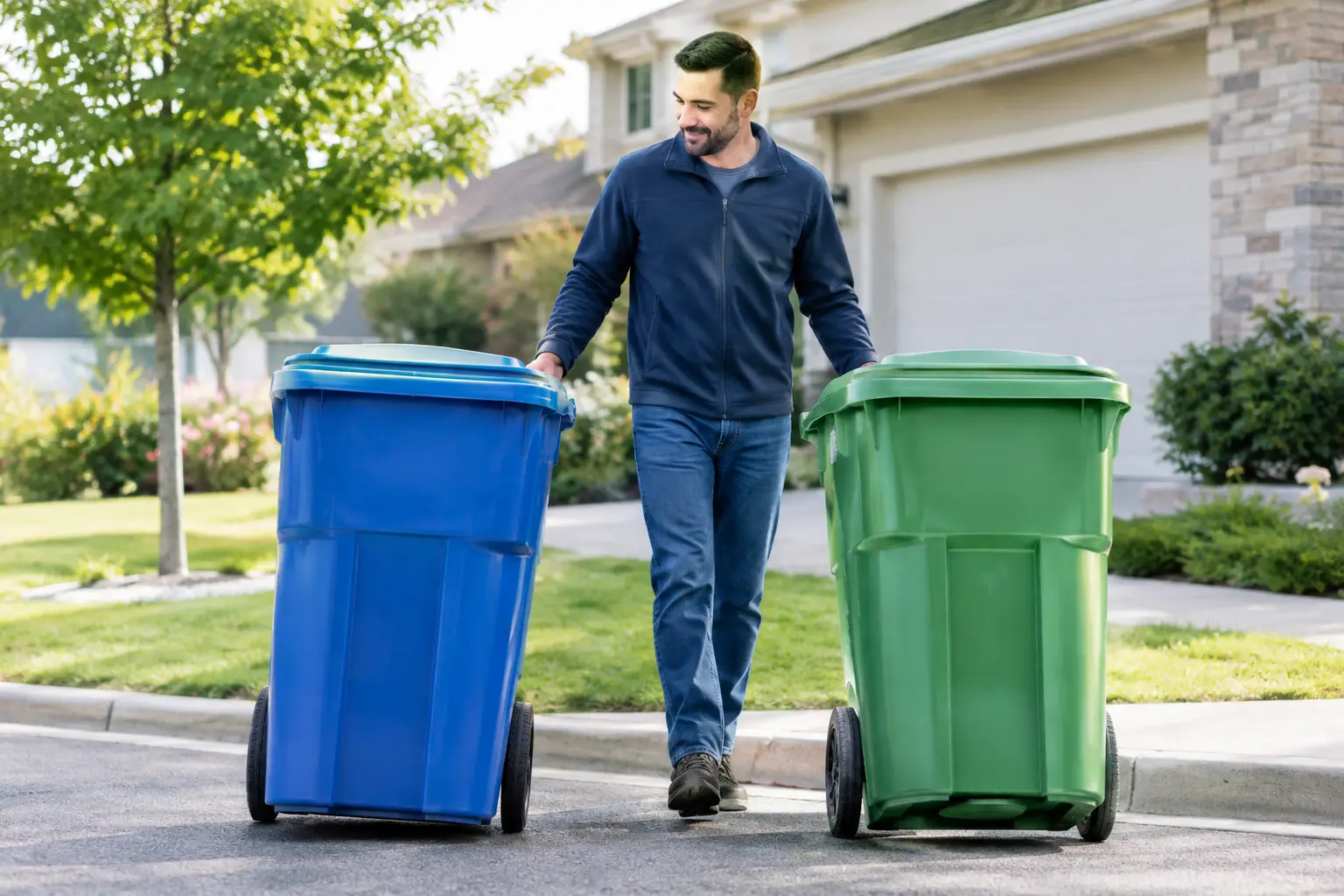
A full 95-gallon cart can feel much heavier than it looks, especially on a sloped driveway, loose gravel, wet grass, or a humid Florida evening. A reliable can to curb routine takes that task off your calendar: bins go out before collection, come back after pickup, and do not sit at the street longer than necessary.
For many households, this is not about avoiding one small chore. It is about staying independent, keeping a rental ready for guests, or making sure a second home looks cared for when no one is there. Trash day is easy to overlook until a missed pickup, a tipped-over cart, or a bad-smelling bin turns it into a problem.
Why the Can to Curb Routine Matters
The hardest part of trash day is often not remembering the collection schedule. It is getting a large cart from where it is stored to the curb at the right time, then bringing it back before it becomes an eyesore or an HOA concern.
For older adults aging in place, that trip can mean wrestling a loaded cart across a driveway after dark or in the heat. The wheels may catch in grass or gravel. Rain can make the route slippery. A task that takes a few minutes can carry a real risk of strain or a fall.
For snowbirds and second-home owners, the challenge is different but just as practical. A bin left out too long can signal that a property is vacant. If it is never placed at the curb, household trash can accumulate between visits. A predictable service routine helps the home look attended to even when the owner is states away.
Vacation-rental managers face narrow turnover windows. Guests may leave extra bags, collection days do not move for check-in schedules, and an overflowing cart can quickly become a complaint. Keeping bins handled on time protects curb appeal and helps avoid the awkward call from a neighbor, guest, or association manager.
What a Dependable Service Should Actually Do
“Trash valet” can sound simple, but the details determine whether it saves you work. A useful service needs a clear operating routine, not a vague promise to help when possible.
Curb Critter moves bins to the curb after 5 p.m. before scheduled collection, then returns them after 3 p.m. on collection day. Those windows are designed to keep carts available for pickup without leaving them at the curb longer than needed. Photo confirmation at both stages gives homeowners and property managers a record that the work was completed.
That proof matters when you are traveling, managing several properties, or simply do not want to wonder whether someone remembered. You should not have to call, text, or look at a driveway camera to confirm a basic household task. The routine should be visible, accountable, and repeatable.
There is a trade-off to consider: collection schedules can change for holidays, storms, or local service disruptions. The right provider cannot control municipal pickup, but it should organize routes around normal collection days and communicate clearly when unusual schedules affect service. Reliability is not pretending nothing ever changes. It is having a process for when it does.
Clean Bins Belong in the Same Routine
Getting the cart to the curb solves only half the issue. The bin itself collects residue from leaking bags, food waste, pet waste, and damp Florida heat. Once bacteria and grime build up, a lid does not contain the problem very well. Odors can spread into the garage, attract flies, and create a mess nobody wants to handle up close.
That is not the trash. It is the can.
Cleaning works best immediately after collection, when the container is empty. A professional service can use high-pressure hot water, sanitizer, and deodorizer to remove grime and address odor-causing bacteria, mold, and maggots. Just as important, wastewater should be captured on site rather than rinsed into a storm drain or down the street.
A bin-cleaning appointment scheduled separately can be useful for a one-time reset, but it adds another date to track and another reason to make sure the cart is empty and accessible. Bundling monthly cleaning with recurring valet service is simpler. The cart is already at the curb, already emptied, and ready to be cleaned before it comes home.
Why monthly cleaning is often the practical interval
How often a bin needs cleaning depends on household size, what goes into the trash, storage conditions, and weather. A family with frequent food waste may notice odors sooner than a part-time resident. A rental property with back-to-back guest stays may need more attention than a home used only seasonally.
For most homes, monthly cleaning is a sensible preventive schedule. It keeps buildup from becoming a larger job without asking you to inspect the cart, schedule a separate appointment, or remember when it was last washed. If a bin is already heavily soiled, the first cleaning may make the biggest visible difference. Consistent service is what helps keep it that way.
A Better Fit for Different Households
The same can to curb service can solve different problems depending on the property.
A homeowner who wants to avoid lifting and pulling a heavy cart gets a safer, hands-free routine. A seasonal resident gets confidence that the property is not advertising an empty house through neglected bins. A vacation-rental operator gets a dependable collection-day process that helps prevent overflow and keeps the exterior ready for arriving guests.
Property managers also benefit from consistency across homes. Instead of relying on cleaners, guests, maintenance staff, or neighbors to remember collection days, they have a defined service step with confirmation. That reduces last-minute scrambling and makes it easier to document that bin handling was addressed.
The most useful plan is one that matches the number of carts and the way the property is used. Two bins are commonly included in a recurring plan, with additional bins available when needed. Flexible recurring service with quarterly billing and month-to-month cancellation gives homeowners a routine without requiring a long-term commitment. For travelers who only need help while away, a one-time trip option can make more sense than ongoing service.
Small Details That Keep Trash Day From Becoming a Problem
A service can do its job best when bins are easy to identify and accessible from the normal storage location. Avoid parking a vehicle directly in front of them on collection eve. If an HOA, gate code, or property instruction affects access, share it before the route begins. These small details help the service team stay on schedule for every home.
It also helps to keep the lid closed and bag trash securely. No cleaning process can prevent loose waste from spilling during collection, and a cart packed beyond its limit may not be fully emptied by the hauler. Good bagging plus routine cleaning is the practical combination for controlling odors and pests.
For Sarasota and Manatee County homeowners, trash day is one of those recurring responsibilities that should not take physical effort, coordination, or guesswork every week. Your bins can be out, in, and spotless while you focus on the parts of homeownership that actually deserve your time.