How to Avoid Missed Collections Every Week
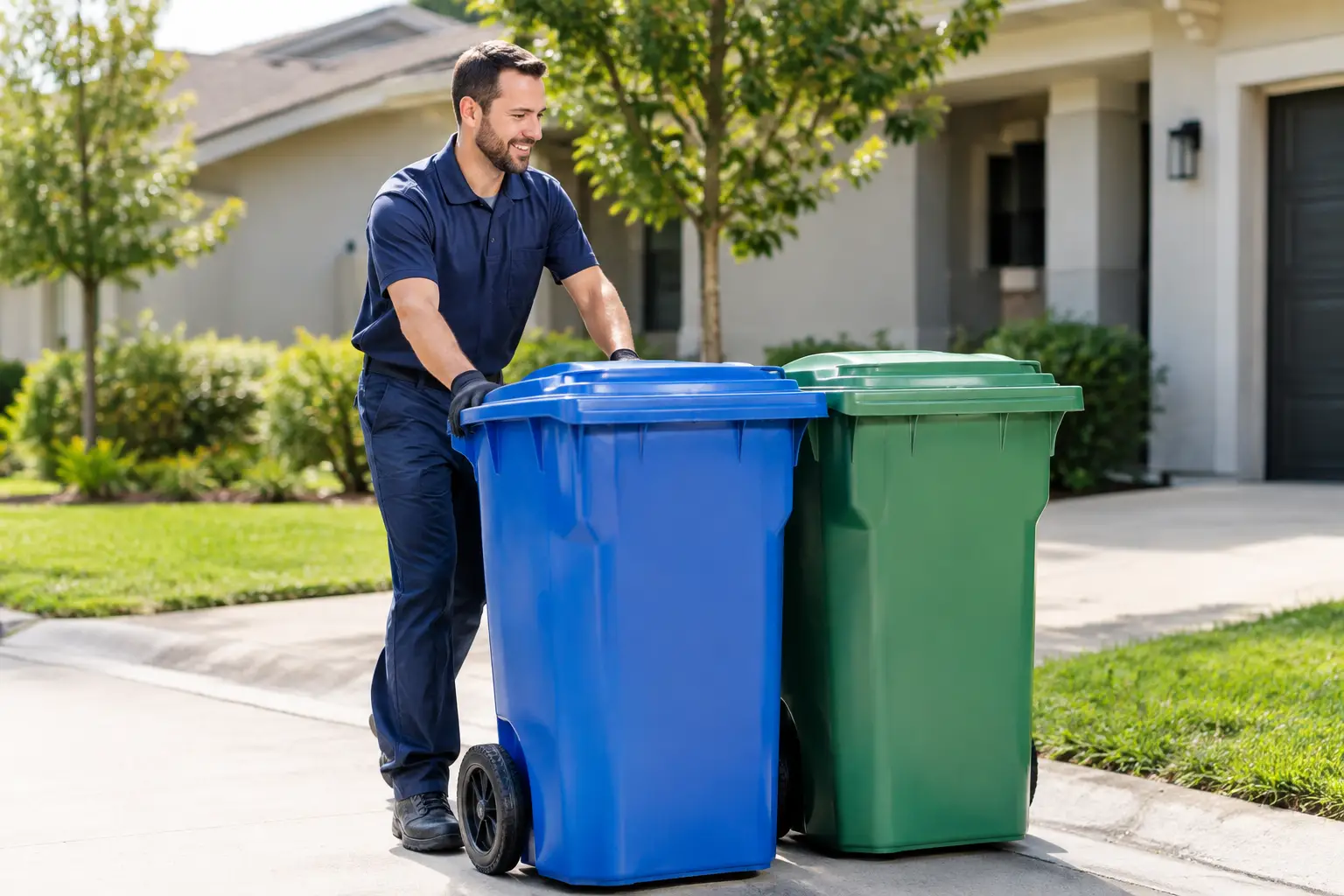
A missed trash pickup is rarely just one bag left behind. In Florida heat, one extra week can mean overflow, odors, insects, frustrated guests, and an HOA notice sitting in your mailbox. Learning how to avoid missed collections starts with treating curb day as a dependable property routine, not a chore to remember at the last minute.
For homeowners, that routine can protect your time and your back. For snowbirds and vacation-rental owners, it can keep the property looking cared for even when no one is there. The goal is simple: bins are out when collection crews arrive, back in when the day is done, and clean enough that the container itself does not become the problem.
Why missed collections happen so easily
Most missed pickups are not caused by a lack of effort. They happen because collection schedules are easy to disrupt. A holiday shifts service by a day. A busy evening turns into a forgotten bin. Heavy rain makes crossing the driveway less appealing. A resident is traveling, recovering from an injury, or simply assumes someone else moved the cart.
Large 95-gallon carts add another layer. They can be awkward to roll across grass, gravel, uneven pavement, or a long driveway, especially after they are full. For older adults aging in place, the physical strain and fall risk are real. For a rental property, the issue may be timing: guests may fill the bin after the owner has left town, leaving no one to set it out.
Collection rules also vary by neighborhood. A cart placed out too late may miss the truck. One blocked by a vehicle, parked too close to another cart, or faced the wrong way may not be serviced. In communities with appearance standards, leaving bins curbside for days can create a separate problem even if the collection itself went smoothly.
How to avoid missed collections with a set routine
The most reliable answer is to move bin handling out of memory and into a repeatable schedule. Decide exactly when carts go out, where they sit, and who is responsible. A routine works because it removes the small decisions that tend to get skipped on busy days.
Confirm the collection schedule before setting a habit
Start with your local collection days and the required placement time. Some routes begin early, so waiting until the morning can be risky. If your service provider asks residents to have carts curbside before a certain hour, build in a buffer rather than aiming for the deadline.
Pay close attention to holiday changes. Put the adjusted dates on a household calendar, share them with tenants or cleaners when appropriate, and set reminders for the evening before pickup. For second homes, make sure the person watching the property has the same schedule and knows which carts need to go out.
If you manage multiple properties, avoid relying on a handwritten note or a different reminder for every address. A single shared calendar with each property's collection days, holiday adjustments, and assigned contact can prevent confusion when turnovers get busy.
Roll carts out the evening before
Moving bins to the curb the night before is usually more dependable than trying to do it in the morning. It protects you from early truck arrivals, rushed school or work schedules, and the simple reality that mornings do not always go as planned.
For Curb Critter valet customers, carts are moved out after 5 p.m. before scheduled collection. That timing gives bins a consistent place in the routine without leaving homeowners to watch the clock. The broader principle applies whether you handle the carts yourself or have help: choose a reliable evening window and make it non-negotiable.
Keep the path clear before rollout. Move vehicles, toys, landscaping tools, or delivery boxes that could block the cart. If a driveway is narrow, designate one specific curb location so the bin does not end up behind a parked car or too close to another container.
Set the cart up for the truck, not just the curb
A bin can be at the curb and still be difficult to collect. Check your local rules, but generally, carts should sit upright with the lid closed and wheels facing the house. Leave enough room around each cart for the truck's lifting equipment. Do not crowd them against mailboxes, utility poles, parked cars, or each other.
Avoid packing trash so tightly that the lid cannot close. Overfilled carts attract pests, scatter debris in wind and rain, and may be left behind if the lid will not shut. Break down boxes, distribute waste across available bins, and plan ahead after parties, home projects, or rental turnovers that create more trash than usual.
This is one place where a little prevention matters. If you know a holiday weekend or a guest changeover will produce extra waste, address it before collection morning instead of hoping everything fits.
Make responsibility visible when more than one person is involved
Households often miss collections because everyone assumed someone else had it covered. A short conversation can solve that. Assign one person as the primary contact and another as the backup. If the primary person is away, sick, or working late, the backup should know without needing a last-minute text.
For vacation rentals, include trash instructions in the turnover checklist. The cleaner, property manager, or designated service team should know the pickup days, curb location, and any community rules about cart storage. Guests can be asked to bag trash properly, but they should not be the only plan for getting full bins to the curb on time.
Photo confirmation can be especially helpful for remote owners. A quick image showing the carts at the curb, then returned after service, replaces uncertainty with proof. It also creates a useful record when a property manager needs to verify that a routine task was completed.
Bring bins back promptly after collection
Avoiding a missed collection is only half the job. Once the truck has come through, carts should return from the curb as soon as practical. Bins left out make a home look unattended, can interfere with parking or pedestrians, and may violate neighborhood rules.
A return routine also reduces the chance that a cart blows over in a storm or gets moved, damaged, or mistaken for someone else's. For seasonal residents, timely return matters because an empty cart sitting at the curb for days can signal that no one is home.
A scheduled valet service can be useful when the physical task or timing is the real obstacle. Curb Critter returns carts after 3 p.m. on collection day and provides photo confirmation at both stages, giving homeowners and property managers a clear record without requiring them to be onsite.
Do not let a dirty cart create a new problem
Collection day leaves bins empty, but not necessarily clean. Leaking bags, food residue, moisture, and Florida heat create the conditions for odor-causing bacteria, mold, flies, and maggots. That is why the best time to clean a bin is immediately after collection, while it is empty.
Rinsing a cart in the driveway may seem convenient, but it can send dirty wastewater toward storm drains. A professional process that uses hot, high-pressure water, sanitizer, deodorizer, and wastewater capture addresses the mess without creating improper runoff. It also makes the cart more pleasant to store near a garage, side yard, or rental entrance.
Clean bins support the collection routine, too. Lids close better when grime is not building up around the edges. You are less likely to avoid handling a cart that smells bad, and guests or neighbors are less likely to complain about odors near the property line.
Have a backup plan for travel and disruptions
Even the best routine needs coverage for the weeks when life changes. Before leaving town, confirm who will handle curb day and how they will access the carts. Do not assume a neighbor remembers the arrangement from last season. Send the collection dates, placement instructions, and a simple note about where the carts are stored.
For a short trip, a one-time valet visit may be enough. For a seasonal residence, recurring service can provide consistency through months of travel. The right choice depends on how often the property is empty, how far you are from it, and whether missed pickup would create problems for tenants, guests, or your HOA.
If a collection is missed despite your planning, bring the cart back in, secure loose trash, and check the next service date. Calling for special pickup may be an option in some areas, but it is usually easier to prevent the problem with a routine that works even when your week does not.
A cart at the curb should not be the thing that keeps you home, interrupts a trip, or becomes a late-night worry. Set the schedule, give the task an owner, and build in proof. Then curb day can stay exactly what it should be: handled.