How to Manage Rental Trash Without Guest Headaches
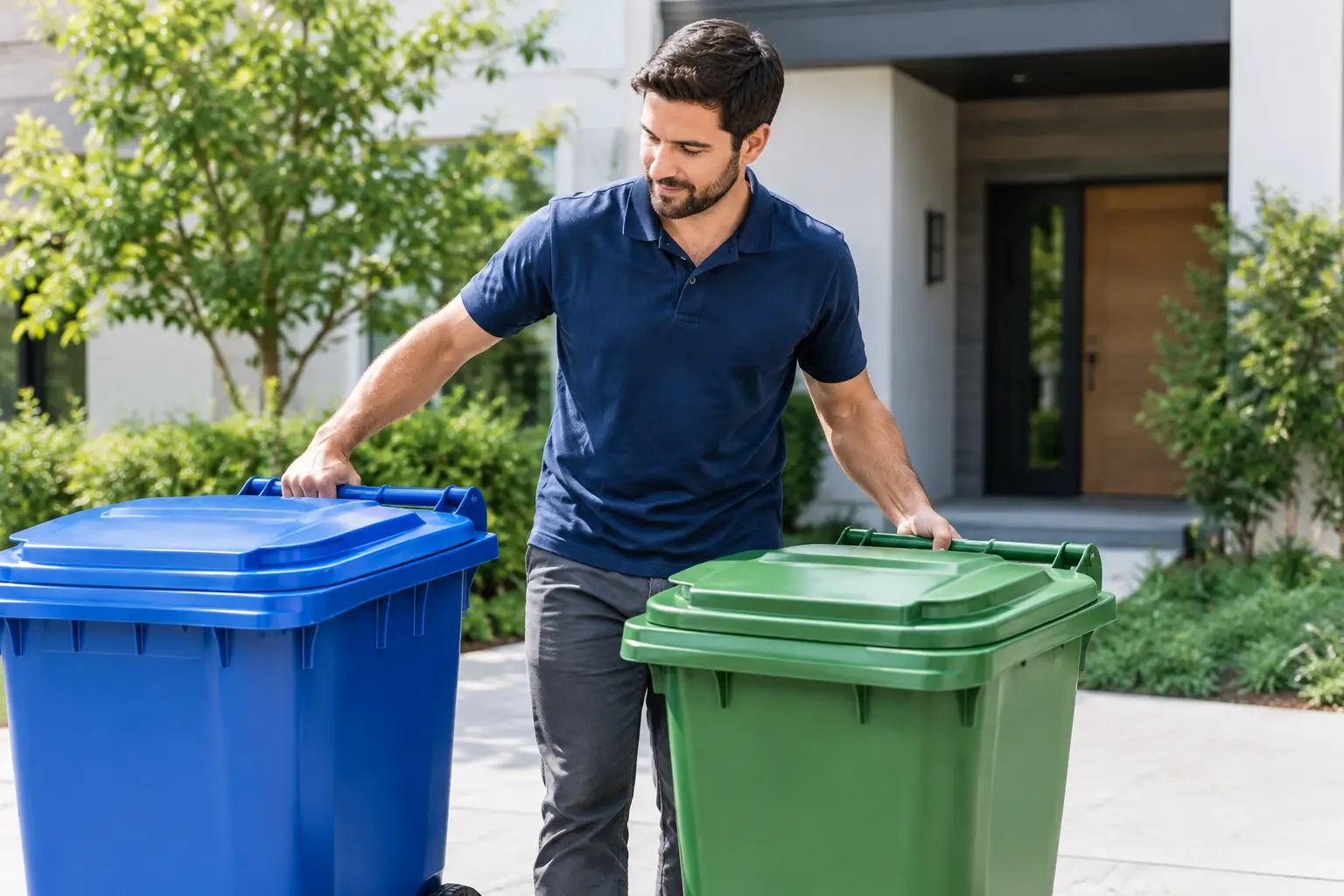
A beautiful rental can lose its polish fast when a 95-gallon cart is overflowing beside the driveway. For vacation-rental owners, learning how to manage rental trash is not a minor housekeeping detail. It is part of guest satisfaction, curb appeal, pest prevention, and keeping the property in good standing with neighbors and the HOA.
Trash trouble rarely comes from one big mistake. More often, it comes from a chain of small gaps: guests do not know pickup day, a previous guest leaves boxes behind, a cleaner has no room in the cart, or the bin never makes it to the curb. A dependable system closes those gaps before they become a complaint, a fine, or a bad review.
Start With a Trash Plan Guests Can Follow
Guests should not have to hunt through a welcome binder to figure out what to do with garbage. Put the basic instructions in the places they are most likely to see them: in the digital check-in message, on a simple kitchen sign, and in the house manual.
Keep the language plain. State where the bins are kept, which days collection occurs, when guests should place trash outside, and what to do with overflow. If recycling is available, label the carts clearly and explain the local rules. A short note such as “Please bag all household trash and place boxes flat in the recycling cart” prevents a surprising number of problems.
Your instructions should also answer the awkward question: what happens when the bin is full? Never leave guests to solve that on their own. For a single-family vacation rental, give them a contact number for the property manager or a designated support line. For a condo or community with shared dumpsters, explain the exact disposal location and any access code or parking restrictions.
Make Turnover Days Part of the Plan
Turnovers produce more trash than an ordinary day. Housekeeping may remove food, linens packaging, toiletries, damaged pool items, and supplies all at once. If a checkout falls just after collection day, that waste may sit for nearly a week unless you have enough capacity.
Review your booking pattern against the collection schedule. High-occupancy homes, properties with frequent short stays, and rentals that host large groups may need an additional cart or an overflow pickup arrangement. Two bins may work perfectly for a quiet seasonal home but not for a six-bedroom beach rental during a busy holiday week.
Ask cleaners to flag a full cart before they leave, not after the next guests arrive. A quick photo and message give the owner or manager time to act. The best systems have a clear handoff: the cleaner reports capacity, and someone is responsible for arranging the next step.
Set a Reliable Curb-Day Routine
The most common rental-trash failure is simple: the cart misses pickup because nobody moved it to the curb. For an owner who lives nearby, this can still happen during a busy week. For snowbirds and out-of-state owners, it becomes a recurring vulnerability.
Write down the collection days and the local setout requirements. Then decide who owns the task every week, whether guests are present or not. Depending on guests to roll carts out is risky. They may be leaving before collection, unfamiliar with the neighborhood, or understandably focused on their travel plans.
A recurring valet service can remove that uncertainty. Curb Critter moves bins to the curb after 5 p.m. before scheduled collection and returns them after 3 p.m. on collection day, with photo confirmation at both stages. That detail matters for remote owners and managers who need more than a verbal assurance that the job was done.
Photo proof also helps resolve the occasional gray-area question. Was the cart out on time? Was it returned from the street after pickup? Rather than guessing or asking a neighbor, you have a clear record.
Keep Bins Out of Sight Between Pickups
Leaving carts at the curb all week can make a well-kept rental look unmanaged. In many communities, it can also create an HOA or municipal compliance issue. It invites windblown litter, makes the home look vacant, and can be especially noticeable around arrival day.
Bring bins back promptly and store them in a consistent location that does not block walkways, gates, or guest parking. If the storage area is visible, consider a screened enclosure that still gives your service team practical access. The goal is not to hide a problem. It is to make trash handling predictable and unobtrusive.
Treat Bin Cleaning as Property Maintenance
Guests may not mention a dirty garbage cart directly, but they notice the smell when they park, unload luggage, or use an outdoor kitchen. In Florida heat and humidity, residue inside a bin can quickly turn into odor, flies, mold, and maggots. That is not the trash. It is the can.
Rinsing a bin with a garden hose may make it look better for a day, but it does not reliably remove odor-causing bacteria or capture contaminated wastewater. It can also wash dirty runoff toward storm drains. For a rental property, that is an unpleasant chore with inconsistent results.
Professional cleaning is most effective immediately after collection, when the container is empty. A thorough service should use high-pressure hot water, sanitizer, and deodorizer while capturing wastewater on-site rather than letting it flow into the street. This approach removes grime where it builds up and leaves the cart ready for the next guest cycle.
Monthly cleaning is a sensible baseline for many vacation rentals, especially homes with regular turnover. A lightly used second home may need less frequent attention, while a high-volume rental with outdoor entertaining, pet guests, or summer occupancy may benefit from a stricter schedule. Match the service frequency to actual use instead of waiting for the smell to tell you there is a problem.
Build Trash Checks Into Your Operations
Reliable rental management depends on routines people can repeat. Trash should have a place in your turnover checklist, weekly property checklist, and off-season inspection plan.
During turnovers, check that every indoor trash can has a liner, exterior bins are not overfilled, lids close fully, and the collection area is tidy. Look for loose bags, broken wheels, cracked lids, or boxes that need flattening. Those small checks protect the next guest experience and reduce the chance that animals or rain create a larger mess.
For remote owners, assign responsibilities by task rather than assuming one person handles everything. Your cleaner may report full bins, a valet team may manage curb day, and a property manager may coordinate extra pickups. The point is clarity. When everyone is vaguely responsible, nobody is accountable.
It also helps to keep a simple log of collection days, cleaning dates, and unusual events such as holiday overflow or missed pickups. You do not need complicated software for this. A shared calendar or property operations sheet is enough to identify patterns, such as a particular checkout day that regularly creates excess waste.
Plan for Holidays, Storms, and Longer Stays
Normal weeks are easy. The pressure points are holiday weekends, storm preparation, and back-to-back summer bookings. Collection schedules may change, guests may generate more packaging and food waste, and curb access can be affected by weather or road conditions.
Send guests a brief reminder before major holiday weekends. If the county schedule changes, tell them early and adjust your curb-day plan. For storm season, make sure carts can be secured or brought in according to local guidance. A bin rolling down the street is not just an eyesore. It can damage property or block access.
Longer stays create a different challenge. Guests may assume weekly pickup is automatic but still fill the cart beyond capacity. A mid-stay message can be helpful for larger groups: remind them of collection day, ask that bags be tied, and explain where to place flattened cardboard. It is a small touch that protects the property without making guests feel policed.
Make Trash Care Part of the Guest Experience
Good rental trash management is mostly invisible. Guests arrive to a clean property, find clear instructions, use bins that do not smell, and never see carts lingering at the curb for days. Owners get fewer late-night calls, cleaners start with a workable setup, and neighbors see a home that is cared for.
That is the standard worth building toward: bins out, bins in, and the messy part handled before it becomes anyone else's problem.