How to Prevent Trash Can Maggots for Good
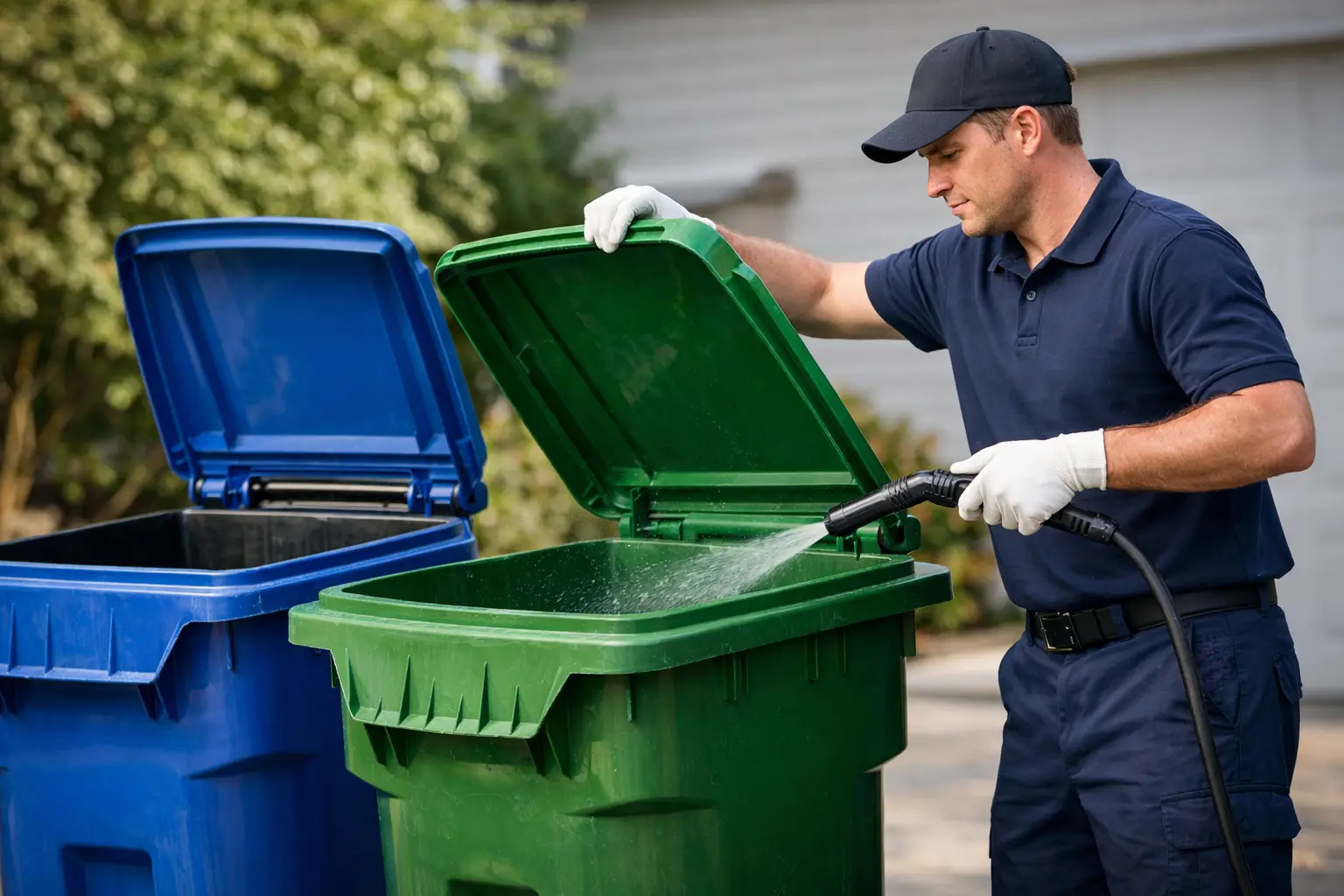
A trash can can look empty from the driveway and still smell like trouble the moment you lift the lid. In Florida heat, a little leaked food, a loose bag, and a few flies are all it takes for maggots to show up fast. Knowing how to prevent trash can maggots comes down to interrupting that cycle before flies have a place to lay eggs.
Maggots are unpleasant, but they are also a useful warning sign: food residue, moisture, and odors have built up inside the bin. The good news is that you do not need harsh chemicals or a daily scrub-down to keep them away. A few consistent habits, plus proper cleaning after pickup, make a major difference.
Why Maggots Show Up in Outdoor Trash Cans
Maggots are fly larvae. Adult flies are drawn to the scent of decaying food, pet waste, meat packaging, and spills collecting at the bottom of a cart. They lay eggs on that material, and in warm weather those eggs can hatch quickly - sometimes within a day.
That is why bins become a bigger challenge during Sarasota summers, after a busy vacation-rental turnover, or when collection is delayed by a holiday. A 95-gallon cart holds heat, and a closed lid traps humidity and odor. If a garbage bag leaks, the bottom of the can becomes an ideal place for flies to reproduce.
The goal is not simply to kill maggots after they appear. The better approach is to remove the food source, reduce moisture, and make the bin less inviting to flies in the first place.
How to Prevent Trash Can Maggots Between Pickups
Bag wet and smelly waste before it reaches the cart
The most effective habit is simple: contain food waste tightly. Double-bag messy materials such as raw meat packaging, seafood scraps, pet waste, used diapers, and heavily soiled paper towels. Tie each bag closed before placing it in the outdoor bin.
If you have space in a garage freezer, consider freezing meat or seafood scraps until collection day. This is especially helpful after a cookout, holiday meal, or rental-property turnover. It prevents odor from building all week, though it may not be practical for every household.
For everyday kitchen trash, do not wait until an indoor bag is overfilled and stretched. A torn bag usually means drips down the side of the cart and residue at the bottom. Those drips are exactly what flies are looking for.
Keep the lid fully closed
A lid that is even slightly open gives flies easy access. Do not overfill the cart to the point that bags push the lid up, and avoid resting loose trash on top. If the lid will not close, move some material into a properly secured second bin or wait for the next collection rather than creating an open buffet for pests.
Check the lid hinge and rim, too. Caked-on residue can prevent a lid from closing correctly. If the lid is cracked or damaged, ask your waste provider about a repair or replacement. Cleaning can help control odor, but it cannot fix a bin that no longer keeps pests out.
Put absorbent material at the bottom
A dry cart is less attractive than a wet one. Place a layer of newspaper, a flattened cardboard box, or a small amount of baking soda in the bottom of a clean, dry bin to help absorb minor moisture and odor.
This is not a substitute for washing a dirty cart. Once juices have leaked and dried into the bottom, adding more absorbent material only covers the problem for a while. Use it as a preventive layer after the bin has been cleaned.
Keep your bin out of direct sun when possible
Shade will not stop flies on its own, but it can reduce the heat that speeds up decomposition and intensifies odor. Store the cart in a shaded side yard, garage, or covered area when local rules and your property layout allow it.
There is a trade-off. A fully enclosed garage may keep the bin cooler, but a dirty bin can make the entire space smell unpleasant. If you keep carts in a garage, the case for regular cleaning becomes even stronger.
Clean Spills Before They Become a Breeding Site
When a bag leaks, do not wait until you see larvae. Rinse or wipe the affected area as soon as possible, then let the bin dry with the lid open for a short period in a safe, private area. A quick response prevents residue from baking onto the plastic.
For a light cleanup, hot water and dish soap can remove surface grime. A disinfecting product may help with bacteria and odor, but always follow the product label and avoid mixing cleaners. Never combine bleach with ammonia, vinegar, or other household chemicals.
The hard part is that most carts are deep, heavy, and awkward to clean well. Spraying a dirty bin in the driveway can also send greasy wastewater toward a storm drain, where it does not belong. A professional service that captures wastewater can be the safer choice when the cart has heavy buildup, persistent odor, mold, or an active maggot problem.
What to Do If You Already Have Maggots
First, get the bin emptied on collection day if possible. Once it is empty, remove any remaining bagged waste and rinse out loose debris. Hot water can help loosen residue, while a proper sanitizer addresses the bacteria that create lingering odors.
Avoid leaving a chemical-heavy mixture sitting in the cart where it can splash out later or drain onto the street. The priority is to remove the larvae and the organic material feeding them, then fully clean and dry the container.
If maggots keep returning after you clean the bin, look for the source. Common culprits include a slow leak from a garbage bag, food waste tucked under the lid lip, pet-waste bags that have split, or a lid that does not close. Treating only the visible larvae without correcting the source means the next group of flies will have the same invitation.
Make Collection Day Part of the Prevention Plan
Maggot prevention works best when trash does not sit at the curb longer than necessary. Bring carts back after collection rather than leaving them exposed through another hot afternoon or overnight. This keeps the bin from becoming an eyesore, helps maintain HOA standards, and reduces the chance that wind, animals, or additional waste will create a mess.
For older adults, seasonal residents, and vacation-rental owners, that routine is not always easy to manage. Large carts are cumbersome on grass, gravel, or long driveways, especially in summer heat. A missed pickup can also leave food waste sitting for another week, which is exactly when odor and fly activity escalate.
Curb Critter handles the routine by taking bins out after 5 p.m. before collection and returning them after 3 p.m. on pickup day, with photo confirmation at both stages. When scheduled cleaning is included, the work is performed right after collection while the cart is empty - the best time to remove the residue that attracts flies in the first place.
A Simple Routine That Keeps Bins Fresher
You do not need to inspect your trash cart every day. Before pickup, make sure the lid shuts and that no bag has leaked. After pickup, check the bottom for residue and address spills while they are fresh. Then plan a deeper cleaning on a recurring schedule, with more frequent attention during peak heat, after large gatherings, or at high-turnover rental properties.
For many homes, monthly cleaning is a practical baseline because it stops odor-causing bacteria and grime from becoming established. A household that produces little food waste may need less. A home with diapers, pet waste, frequent seafood meals, or several vacation guests may benefit from more vigilance between professional cleanings.
A clean cart is not just about avoiding one unpleasant surprise under the lid. It makes pickup day easier, protects the appearance of your property, and keeps a small household chore from turning into a hot, messy problem. Keep waste contained, lids closed, spills handled early, and bins cleaned when they are empty - then let the trash stay where it belongs.