Outdoor Cart Cleaning That Stops Bin Odors
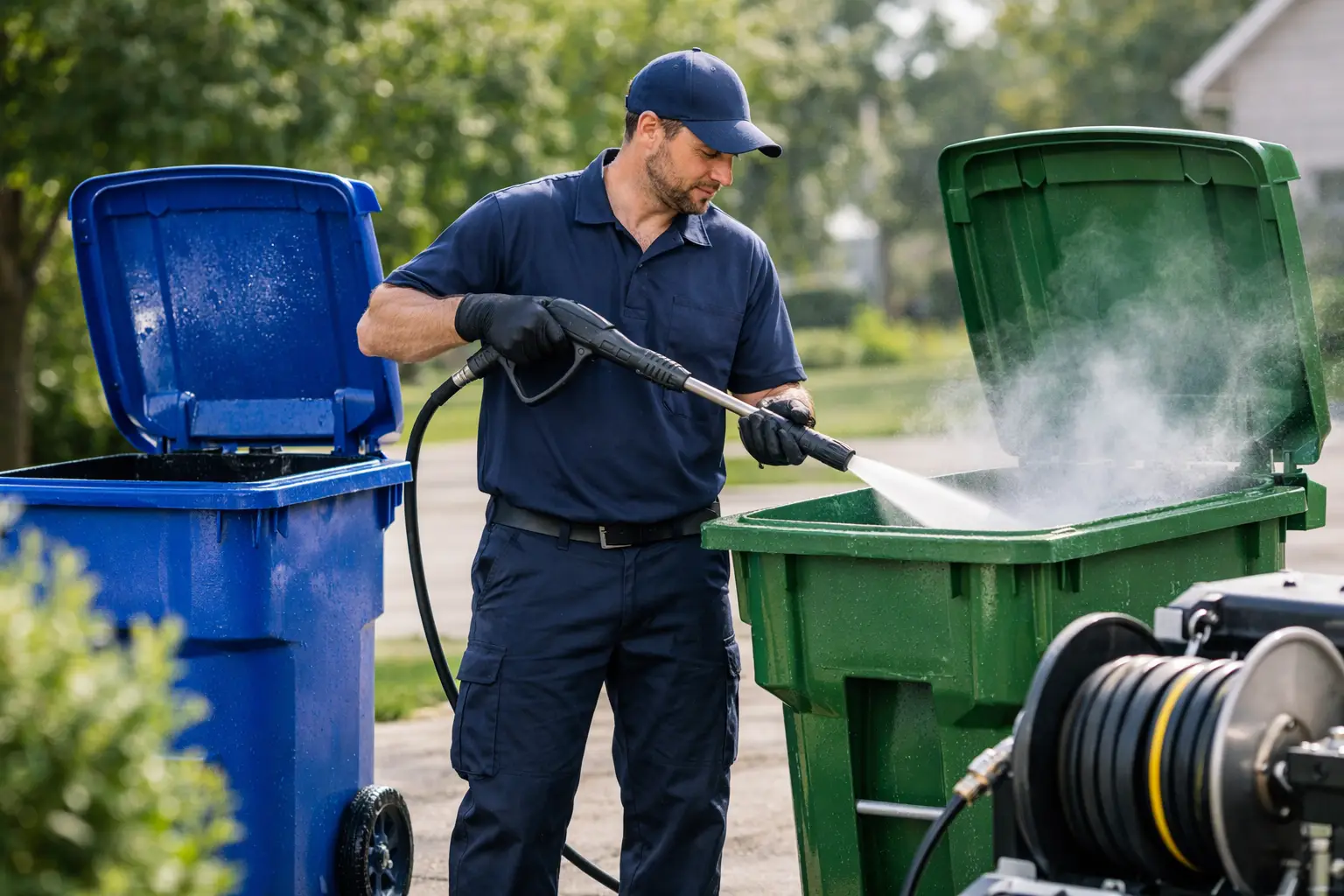
A garbage cart can look fine from the driveway and still smell like a problem the moment you lift the lid. In Florida heat, a little leftover food waste, moisture, and time can turn an ordinary bin into a breeding ground for odor-causing bacteria, mold, flies, and maggots. Outdoor cart cleaning is not about making a trash can look pretty. It is about keeping one of the dirtiest items around your home from becoming a daily nuisance.
For homeowners, seasonal residents, and vacation-rental managers, the issue tends to show up at the worst time: after a hot weekend, during a guest turnover, or when a full 95-gallon cart needs to be moved across the driveway. A cleaner cart is easier to live with, safer to handle, and less likely to create an unpleasant first impression at the curb.
Why outdoor cart cleaning matters in Florida
Trash bags leak. Loose waste misses the bag. Rainwater finds its way under the lid. Once residue settles into the bottom and corners of a cart, it does not disappear when the truck empties it. The contents are gone, but the grease, liquid, bacteria, and smell stay behind.
Florida’s warmth and humidity speed up the process. Organic residue can sour quickly, especially in carts used for kitchen scraps, pet waste, seafood shells, diapers, or rental-property trash. Flies are drawn to the odor, and maggots can appear when flies lay eggs in damp waste. That is not a reflection on your housekeeping. It is simply what happens when heat, moisture, and food residue share a closed plastic container.
There is also a practical property-care angle. Dirty carts can leave odor and grime near a garage, side gate, or screened entry. For homes in HOA communities and vacation rentals, overflowing or neglected bins can make a property look unattended. Regular cleaning helps keep the cart from becoming the one chore everyone notices but no one wants to do.
The best time to clean a garbage cart
The right time is immediately after collection, when the cart is empty. That simple detail makes a major difference.
Cleaning before pickup means working around bags, weight, and active trash odors. Cleaning several days later gives residue more time to bake onto the cart in the sun. Post-collection cleaning allows the inside to be washed thoroughly while it is empty, then returned ready for the next week’s waste.
For most households, monthly cleaning is a sensible rhythm. It keeps buildup from becoming stubborn without asking you to think about another recurring task. Homes with several residents, frequent entertaining, pets, diapers, or short-term rental turnovers may benefit from closer attention. The same is true when carts sit in direct sun or must stay near a garage because of limited storage space.
A one-time cleaning can help reset a cart that has gotten out of hand, but it does not prevent the next spill or summer odor. Recurring service works best for people who want the problem handled before it becomes noticeable again.
What effective outdoor cart cleaning looks like
A quick spray from a garden hose may rinse loose debris, but it rarely solves the source of lingering odor. The bottom seam, lid hinges, wheel wells, and interior corners are where grime holds on. Cold water alone can struggle with greasy residue, and household disinfectants may not reach every surface or remain in place long enough to do their job.
A professional process should combine hot water, high pressure, sanitizer, and deodorizer. Hot water helps break down stuck-on organic material. Pressure flushes residue from hard-to-reach areas. Sanitizer addresses bacteria and other microorganisms left behind after the wash, while deodorizer helps neutralize the smell rather than merely covering it with fragrance.
The order matters. A cart should be cleaned first, then sanitized and deodorized. Spraying a scented product into a dirty bin might make it smell better for an afternoon, but it leaves the actual buildup in place.
Wastewater capture is part of doing the job right
There is one part of outdoor cart cleaning that is easy to overlook: where the dirty water goes. Washing a cart in a driveway can send food residue, cleaning chemicals, and contaminated water toward a storm drain. Storm drains generally carry runoff into local waterways, not through a wastewater treatment system.
That is why responsible cart cleaning includes on-site wastewater capture. The rinse water should be contained rather than left to flow down the driveway or street. It is a better fit for coastal communities, neighborhood drainage systems, and homeowners who do not want a sanitation task creating a runoff problem.
Why a clean cart is easier to keep clean
Once a cart has been professionally washed, a few small habits can extend the results. Use sturdy trash bags and tie them securely. If something leaks, rinse or wipe it up before it settles into the cart. Let greasy containers cool before bagging them, and avoid tossing loose food directly inside.
For especially wet waste, such as seafood packaging or pet waste, double-bagging is worthwhile. It takes a few extra seconds and can prevent a much bigger odor issue later. If your household produces a lot of cardboard, break it down so the lid can close properly. An open lid invites rainwater, pests, and scattered trash.
These habits help, but they are not a substitute for washing. Even careful households deal with drips from bags, condensation, and residue that accumulates over time. The goal is not to make trash clean. The goal is to keep the container manageable, sanitary, and out of your way.
When valet service makes the difference
Cleaning is only half the burden for many residents. A large cart still has to make it to the curb on the correct evening and return after collection. That can mean navigating a long driveway, grass, gravel, a steep curb, or Florida heat. For older adults aging in place, that routine can become physically demanding long before it feels impossible.
It can also be a source of stress for snowbirds and second-home owners. Nobody wants to wonder whether bins were left at the curb too long, missed collection, or signaled that a home is vacant. Vacation-rental operators face a different version of the same challenge: collection schedules do not pause for guest arrivals, departures, or busy turnover days.
A combined valet and cleaning routine solves both jobs on the same service route. Curb Critter moves carts out after 5 p.m. before scheduled collection, brings them back after 3 p.m. on collection day, and provides photo confirmation at both stages. When monthly cleaning is due, it happens after the cart has been emptied - not during a separate appointment with a full bin waiting outside.
That timing keeps the service practical. The cart gets to the curb, gets emptied, gets cleaned when appropriate, and comes back ready to use. You stay hands-free.
What to ask before scheduling a cart-cleaning service
Not all cleaning arrangements are equally convenient or equally thorough. Before choosing a service, ask whether cleaning happens after trash collection, whether hot water and sanitizer are used, and whether wastewater is captured on-site. Those details tell you more than a promise to make bins smell fresh.
Also ask how scheduling works. A service that requires you to remember a separate appointment may not solve the real problem if you are traveling, managing multiple properties, or simply tired of dealing with curb day. Clear recurring scheduling, flexible cancellation terms, and confirmation that the work was completed can matter as much as the cleaning itself.
Finally, consider how many carts your household uses. Two bins may cover a typical home, while a rental, multi-family property, or household with yard-waste and recycling carts may need additional service. The best arrangement fits your actual routine rather than forcing you into a one-size-fits-all plan.
A garbage cart will never be the most glamorous part of home care. But when it is clean, returned on time, and no longer announcing itself with a smell, it becomes what it should be: one less thing on your list.