Property Manager Bin Care That Prevents Problems
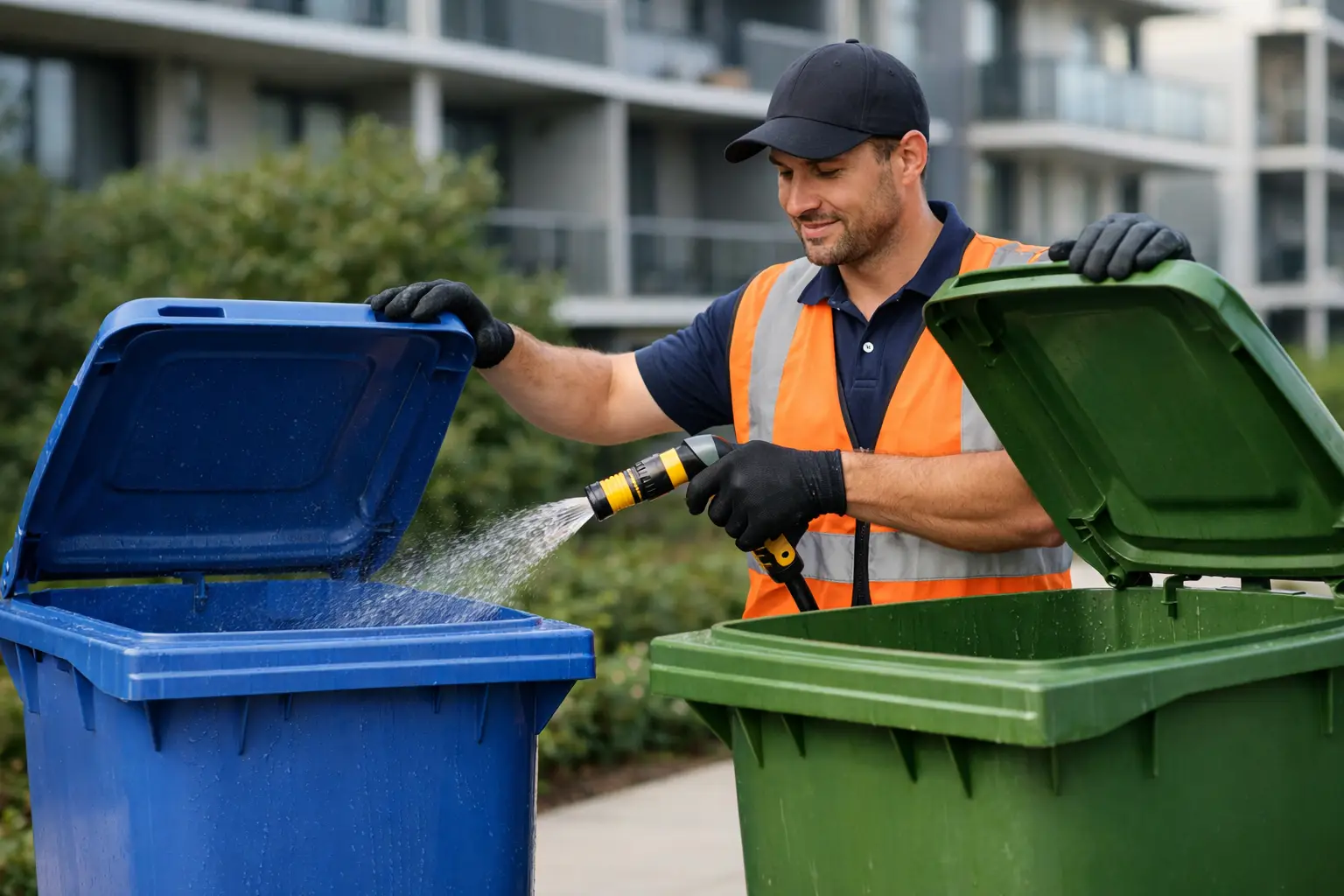
A full trash cart at the curb is easy to overlook until a guest complains, an HOA sends a notice, or collection day comes and goes without pickup. Property manager bin care is not glamorous, but it is one of the small recurring details that tells residents, guests, and neighbors whether a home is being actively looked after.
For vacation rentals, second homes, and residential communities, trash handling has to work even when nobody is on site. A dependable routine protects curb appeal, reduces odors and pests, and keeps bulky carts from becoming one more task for a caretaker, housekeeper, or maintenance team to chase down.
Why Property Manager Bin Care Deserves a Real Process
Bins create operational problems when they are treated as an afterthought. A cart left at the curb too long can draw complaints. A cart that never makes it out can leave a property with overflowing bags by the next turnover. A dirty container behind the garage can smell far worse than the trash inside it, especially through a Florida summer.
The stakes are different from one property to another. A long-term resident may simply want help moving a heavy 95-gallon cart down a gravel drive. An Anna Maria Island rental may need bins handled carefully between back-to-back guests. A snowbird’s Sarasota home needs to look occupied and maintained while its owners are away.
The common need is simple: bins should be out for collection, back in afterward, and clean enough that they do not become a sanitation issue. When that happens on a predictable schedule, property managers spend less time fielding avoidable messages and more time handling the work that truly needs their attention.
Missed pickup is more than an inconvenience
When a bin misses collection, the result can linger for a week. At a rental property, bags may pile up before the next guest arrives. At an occupied home, residents may try to squeeze extra trash into an overfilled cart or leave bags beside it. That can attract animals, invite mess, and create a poor first impression from the street.
A reliable valet routine reduces that risk by moving bins out after 5 p.m. before scheduled collection and returning them after 3 p.m. on collection day. Those time standards matter because they create a clear expectation, rather than a vague promise that someone will get to it when they can.
Photo confirmation adds another useful layer of accountability. Instead of asking whether the cart made it out or wondering if it was returned, a manager has proof at both stages. For off-site owners and busy rental operators, that kind of visibility can stop a small question from becoming a chain of calls and texts.
Dirty bins can undermine an otherwise clean property
A freshly cleaned kitchen does not help much if the outdoor garbage bin smells like sour waste the moment a guest walks past it. Heat, moisture, food residue, and regular household waste create conditions where odor-causing bacteria, mold, and maggots can thrive.
Spraying a bin with a garden hose may move some visible grime, but it does not provide a consistent sanitation process. It can also send contaminated wastewater toward storm drains, which is not a responsible cleanup method.
Professional bin cleaning works best immediately after collection, when the cart is empty. High-pressure hot water, sanitizer, and deodorizer can remove built-up grime and the sources of odor, while on-site wastewater capture keeps the mess from running off where it should not. Timing the cleaning with an existing valet visit also avoids asking a manager to coordinate yet another appointment.
Building a Bin Care Routine for Managed Properties
The right level of service depends on the property type, collection schedule, local rules, and who is responsible for day-to-day oversight. Still, a good process should cover three things: collection-day handling, sanitation, and a way to verify the work was done.
Start by documenting each property’s pickup days, bin location, gate access, and any HOA restrictions. A cart stored behind a side gate, for example, requires a different access plan than one kept in an open garage. Rental properties should also have clear instructions for guests about what belongs in the bin and when to place excess trash in approved disposal areas.
Then assign ownership. If a housekeeper, maintenance technician, tenant, neighbor, and property manager all assume someone else will roll out the bins, nobody owns the result. One designated recurring service is usually more dependable than relying on a changing mix of people who already have other priorities.
For managers handling multiple homes, standardization makes a noticeable difference. When every property follows the same rollout, return, photo verification, and cleaning process, exceptions are easier to spot. A missed photo or access issue becomes something to address quickly instead of a problem discovered after trash has accumulated.
Match the service to the property’s real needs
A one-time bin trip can be useful when owners are traveling, a regular helper is unavailable, or a property is between management arrangements. It solves an immediate problem without requiring a permanent change in the property’s routine.
Recurring service is generally the better fit for properties with regular occupancy, frequent guest turnovers, or owners who live elsewhere for part of the year. The value is not only in moving the cart. It is in removing a recurring point of failure from the manager’s weekly checklist.
Cleaning frequency also depends on use. A lightly used second home may need less attention than a busy rental with frequent food waste and guest turnover. Monthly cleaning is a practical cadence for many properties because it prevents residue from becoming a deeper odor and pest problem while keeping the exterior service routine predictable.
What to Look for in a Bin Care Service
Not every trash valet or cleaning arrangement is designed for managed residential properties. Before assigning the work, managers should look beyond the basic promise of moving a bin.
First, ask about timing. A service should be specific about when carts go out and when they come back. That protects collection access without leaving bins at the curb longer than necessary.
Second, ask how completion is documented. Photos are particularly helpful for vacation rentals, seasonal homes, and owners who want reassurance without being pulled into the daily details.
Third, ask how cleaning is performed and where the wastewater goes. A proper service should clean empty bins after collection and capture wastewater on site. The goal is a cleaner bin, not a new runoff problem in the driveway or street.
Finally, consider flexibility. Properties change hands, occupancy patterns shift, and rental calendars are not always predictable. Month-to-month cancellation and plans that include two bins, with additional bins available as needed, can be easier to manage than a rigid arrangement that does not fit the property.
Curb Critter combines weekly trash-can valet with monthly professional bin cleaning so the work happens on the same recurring route. For a manager, that means fewer appointments to coordinate and a clearer record that the job was completed.
Keep Guests, Residents, and HOAs Out of the Trash Business
Good property management often comes down to preventing the calls that never need to happen. A bin care routine will not replace responsive maintenance or thoughtful guest communication, but it removes one of the most visible and preventable sources of friction.
For older residents, reliable rollout and return can also reduce the physical strain of moving heavy carts across driveways, grass, or uneven ground in the heat. For owners away from home, it supports a maintained, lived-in appearance. For rental managers, it helps keep turnovers cleaner and collection days quieter.
Trash is unavoidable. The scramble around it does not have to be. When bins are out, in, and spotless on a dependable schedule, the property gets to make the impression it should: cared for, orderly, and ready for whoever arrives next.