How to Remove Garbage Can Smell and Keep It Gone
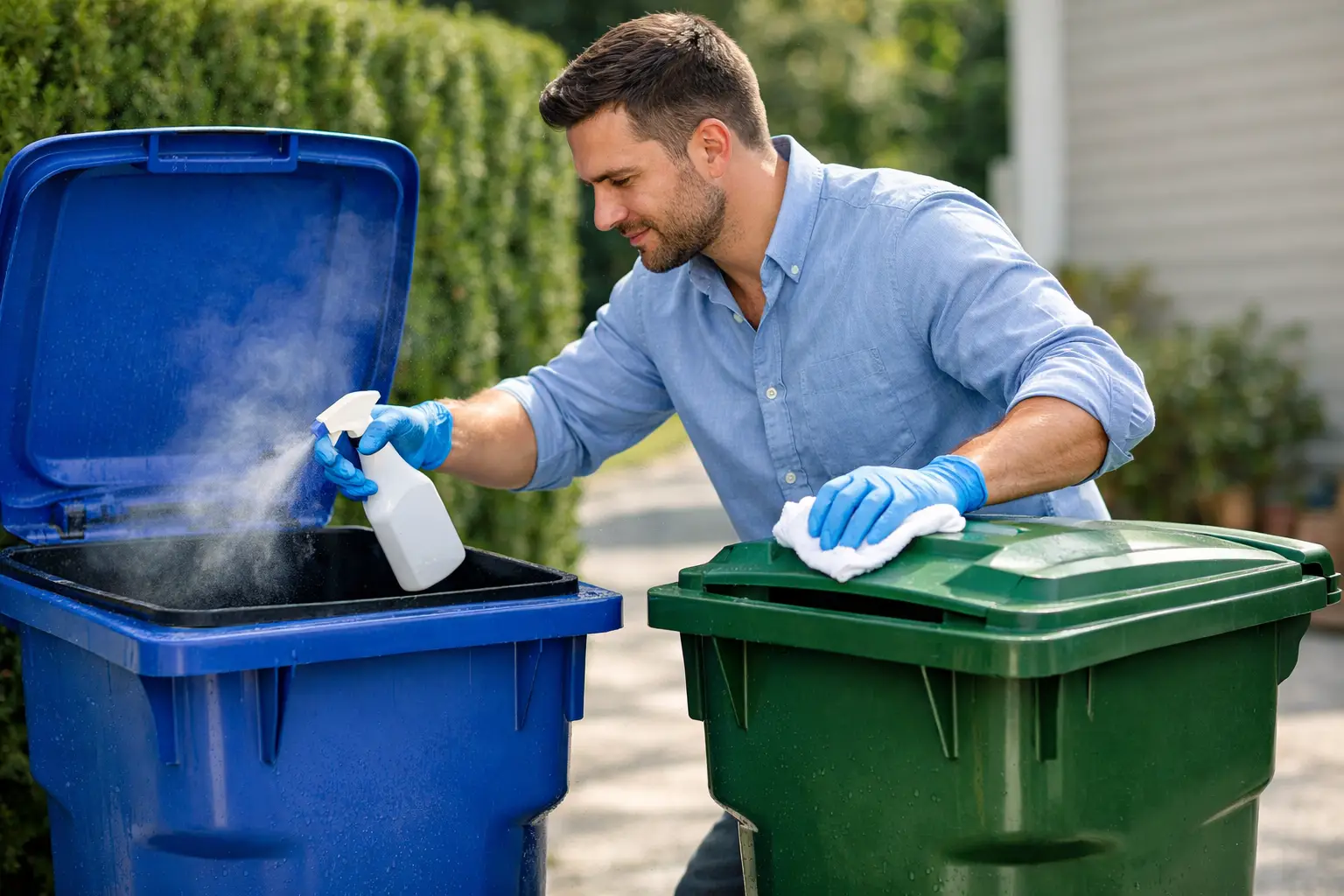
A 95-gallon garbage cart can go from ordinary household equipment to a full-property nuisance fast. One hot afternoon, one leaking bag, or one forgotten pickup day can leave an odor that reaches the driveway, garage, or front walk. To remove garbage can smell for good, you need to deal with the grime and bacteria inside the cart, not just cover the odor with a stronger scent.
That matters even more in Florida. Heat and humidity speed up the breakdown of food waste, while moisture gives mold, bacteria, and maggots a place to thrive. The result is the familiar smell many homeowners know too well: sour, rotten, and stubborn enough to linger after the trash is gone.
Why Garbage Cans Smell Worse Than the Trash
A garbage can does not become smelly simply because it holds trash. The bigger issue is what gets left behind after collection: drips from bagged food, residue on the bottom, liquid trapped around the lid hinge, and bits of waste stuck in corners. As that material sits in a warm, enclosed cart, odor-causing bacteria multiply.
Spraying air freshener into the cart may make the smell less noticeable for a few hours, but it does not remove the source. The same goes for tossing in dryer sheets or sprinkling a little baking soda over a dirty bottom. These can be useful finishing touches, but they are not a substitute for washing away the buildup.
A cart that smells bad can also attract flies and other pests. If there are maggots, it is a sign that flies have found a food source and a protected place to lay eggs. The fix is not just killing visible larvae. The cart needs to be emptied, cleaned thoroughly, and dried so pests are less likely to return.
How to Remove Garbage Can Smell at Home
The best time to clean a garbage cart is right after collection, when it is empty. Waiting until the next pickup day means the container may be full, heavy, and harder to rinse without making a bigger mess. Choose a time when you can let the cart air-dry before adding a fresh bag of trash.
Start by putting on gloves and moving the cart to a spot where you can work safely. Avoid rinsing dirty bin water toward a storm drain. What comes out of a garbage cart can contain food residue, bacteria, chemicals, and waste that does not belong in the street or local waterways.
Open the lid and inspect the bottom, walls, lid, wheels, and hinge areas. Remove any loose debris with paper towels or a disposable scraper. A hose can help loosen residue, but hot water is more effective against greasy buildup. Apply a household cleaner or degreasing soap, then scrub the inside walls, bottom, lid, and rim with a long-handled brush.
Pay attention to the spots that are easy to miss. The underside of the lid catches splatter. The rim holds sticky residue. The wheel wells and lower exterior can collect runoff from leaking bags. If the cart has a drain plug, follow the manufacturer’s guidance before opening it. Not every cart is designed to drain this way, and wastewater still needs to be managed responsibly.
After scrubbing, rinse the cart and apply a sanitizer according to its label directions. Sanitizer needs adequate contact time to do its job, so do not immediately wash it away. Once finished, leave the lid open and allow the cart to dry completely in the sun and moving air. Drying is not a small detail. A damp, closed bin creates the humid environment that odor-causing microbes prefer.
For lingering smells, repeat the cleaning rather than adding more fragrance. Heavy residue may require a second wash, particularly after seafood, spoiled food, pet waste, or a trash bag leak. If the odor is strongest around the lid, scrub the hinges and handle area again. Those surfaces are often touched but rarely cleaned.
The Difference Between Deodorizing and Cleaning
A deodorizer can make a freshly cleaned cart more pleasant, but it cannot make a dirty cart sanitary. This distinction is worth keeping in mind when choosing a quick fix.
Baking soda may help absorb mild odors after the cart is clean and dry. A deodorizing product may leave a fresher scent. A tightly tied trash bag can reduce new leaks. Each has a role, but none removes the bacteria, mold, residue, or stuck-on waste creating the problem.
Be cautious about mixing cleaning products. Bleach, ammonia, vinegar, and some commercial cleaners should never be combined. Mixing products can create dangerous fumes or reduce their effectiveness. Use one product at a time, follow the label, and keep children and pets away until the container is rinsed and dry.
Prevent the Smell From Coming Back
Once the cart is clean, a few habits can keep it from becoming a recurring chore. Bag wet waste securely and double-bag especially messy items. Let cooking grease cool and dispose of it properly instead of pouring it into a bag where it can leak. If a bag breaks, clean the spill as soon as possible instead of allowing it to bake onto the cart for another week.
For homes with frequent seafood scraps, diapers, pet waste, or large family gatherings, a weekly visual check can make a real difference. Look for residue near the bottom before you add new trash. A quick wipe now is easier than a full scrub after several weeks of Florida heat.
Vacation-rental owners and seasonal residents have another consideration: an empty home can still have a full or dirty cart. A missed pickup, guest turnover, or bag left outside the container can create odor and curb appeal problems before anyone returns. A dependable curb-day routine helps prevent overflow, but the container itself still needs regular sanitation.
Keeping the lid closed also helps. It limits rainwater, reduces access for pests, and contains odors better than a propped-open cart. Still, do not seal a freshly washed cart while it is wet. Let it dry first, then close it before the next storm or collection day.
When a Professional Bin Cleaning Makes More Sense
Home cleaning works for a light mess when you have the time, equipment, and a safe place to handle the dirty water. It becomes less practical when residue is caked on, maggots are present, the cart has not been cleaned in months, or lifting and scrubbing a large bin is physically difficult.
Professional bin cleaning is designed for that deeper reset. A proper service uses high-pressure hot water to break up grime, followed by sanitizer and deodorizer to address odor-causing bacteria. Just as important, the wastewater is captured on-site rather than washed down the driveway and into stormwater drains.
Timing matters, too. Cleaning immediately after collection means the cart is empty and ready for service. Curb Critter builds cleaning into recurring valet routes, so customers can have bins moved out after 5 p.m. before collection, returned after 3 p.m. on collection day, and cleaned when the container is empty. Photo confirmation at both stages provides a simple record that the work was done.
That routine can be especially helpful for older adults who do not want to wrestle carts across a driveway, snowbirds managing a property from out of state, and rental owners trying to keep turnover days orderly. It is not about making trash glamorous. It is about removing an unpleasant, physical, easy-to-put-off task from the household list.
A Clean Cart Is Easier to Live With
If your cart only has a mild smell, a prompt wash, sanitizer, and complete drying may be all it needs. If the odor returns every few weeks, take that as a signal that residue is building faster than your current routine can handle. Regular cleaning costs less effort than waiting for the cart to become a pest problem, a driveway eyesore, or the one chore nobody wants to claim.
The goal is simple: trash goes out, the cart comes back, and the smell does not follow you to the front door.