Sarasota Garbage Odor Solutions That Actually Work
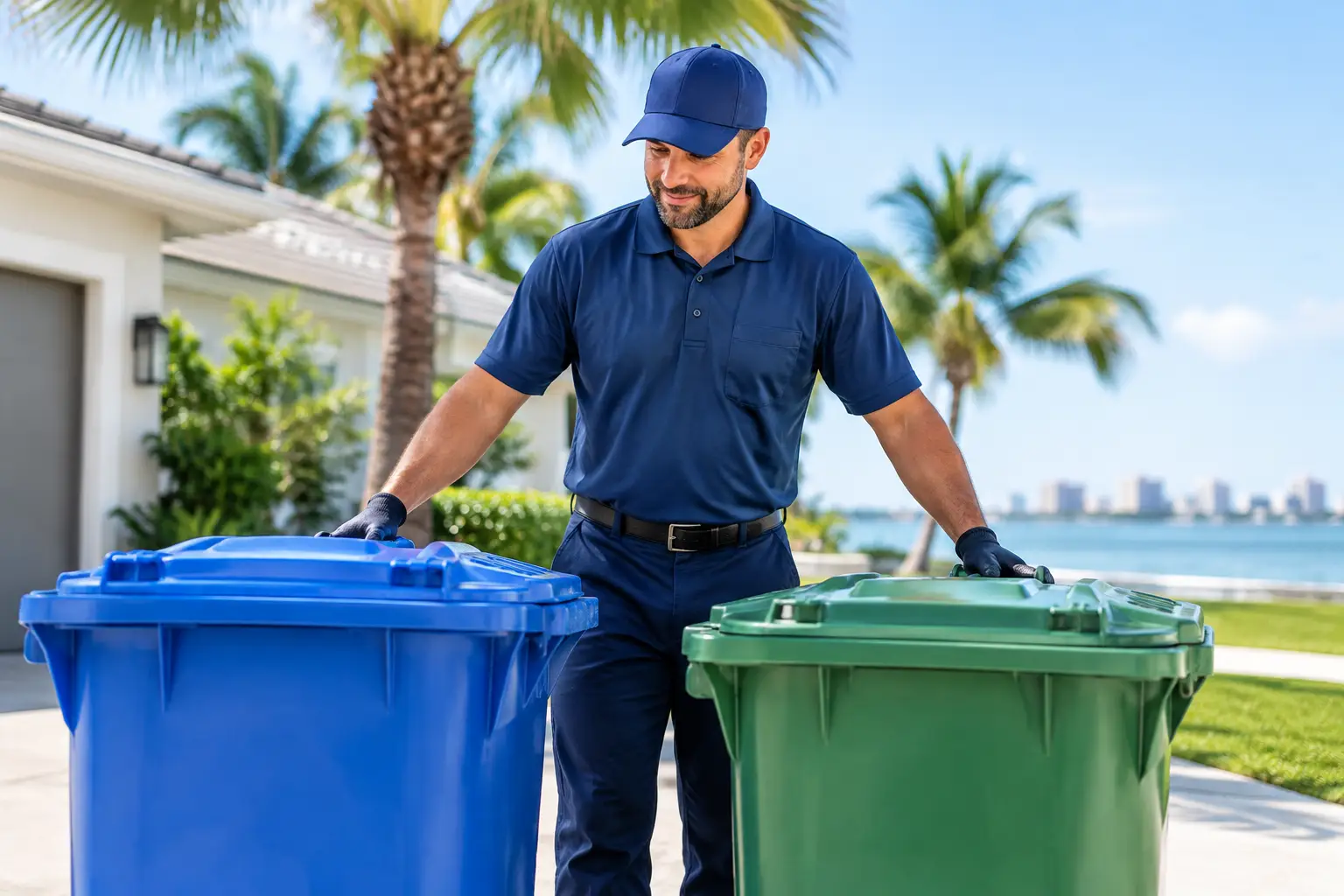
A garbage cart can go from mildly unpleasant to impossible to ignore in a single Sarasota afternoon. Heat speeds up decay, humidity holds onto odor, and one leaking bag can leave behind bacteria and grime that linger long after trash day. The most effective Sarasota garbage odor solutions do more than cover the smell. They remove what is causing it.
For homeowners, seasonal residents, and vacation-rental managers, a clean bin is not just a nice extra. It helps protect curb appeal, reduce pest activity, and keep a routine household task from becoming a messy, physical chore. That’s not the trash - it’s the can.
Why Sarasota Garbage Carts Smell So Fast
Florida heat is a force multiplier for garbage odor. Food residue, pet waste, diapers, seafood scraps, and leaking drink containers create a moist layer at the bottom of the cart. Bacteria feed on that residue and produce the sour, rotten smell people notice every time they open the lid.
Rain can make matters worse. Water gets into a cart, combines with old debris, and creates a grimy film that does not disappear when the collection truck empties the bin. Once that buildup is established, simply adding a fresh trash bag does very little.
The odor also attracts unwanted attention. Flies are drawn to food residue and can lay eggs in the damp material near the bottom or inside the lid. In warm weather, maggots can appear quickly. Ants, roaches, raccoons, and other scavengers may also investigate a cart that smells like an easy meal.
A quick spray of deodorizer may improve things for a day or two, but fragrance alone is not sanitation. If the bacteria, mold, and stuck-on grime remain, the smell will return when the cart heats up again.
Start With the Source, Not the Scent
The right approach depends on what is creating the odor. A cart with a faint smell after a cookout needs different attention than a bin with pooled liquid, visible mold, or a fly problem.
First, check the bottom corners, lid hinge, wheel wells, and the underside of the lid. These are the spots where residue tends to hide. If the cart is empty and dry but still smells, old organic buildup is likely the issue. If there is standing liquid, address it promptly. It can leak during rollout, stain a driveway, and continue breeding odor-causing bacteria.
At home, prevention starts with how trash goes into the cart. Bag food waste tightly, especially meat, fish, and greasy leftovers. Let wet packaging drain when practical, and do not pour liquids into the bin. For rentals, clear house rules can help guests avoid overfilling carts or leaving loose trash behind after checkout.
Still, good bagging habits have limits. Bags tear. Florida storms blow lids open. Trash compactors squeeze liquid out of bags. A consistent cleaning schedule is what keeps normal household mishaps from turning into a permanent odor problem.
A Better Cleaning Routine for Florida Bins
The best time to wash a garbage cart is immediately after collection, when it is empty. Cleaning before pickup means adding water and cleaning products to a bin that still contains trash. Cleaning several days later often means the cart has already collected new debris.
A thorough professional process should use high-pressure hot water to loosen stuck-on grime, followed by sanitizer to address bacteria and deodorizer to neutralize remaining odors. The cart needs attention inside the body, around the lid, and in the areas where runoff and residue collect.
Just as important is where the wash water goes. Rinsing dirty bins in a driveway may send contaminated water toward storm drains. That water can carry food waste, grease, bacteria, and cleaning chemicals into the local stormwater system. Responsible service means capturing wastewater on-site rather than washing the mess down the street.
Curb Critter performs bin cleaning after collection, when containers are empty, using hot water, sanitizer, deodorizer, and on-site wastewater capture. Pairing that work with a recurring curbside valet route keeps the process simple: bins go out, come back in, and receive attention when it makes operational sense.
When DIY Is Enough and When It Is Not
A homeowner can handle a light refresh between professional cleanings. After collection, remove any loose debris, rinse carefully without sending dirty water into the street, and allow the lid to stay open briefly so the cart can dry. A dry cart is less inviting to flies and less likely to develop that swampy smell after the next rain.
DIY has trade-offs, though. A 95-gallon cart is awkward to maneuver, and bending over one in summer heat is not everyone’s idea of a productive afternoon. Strong household chemicals may mask odors without removing the underlying buildup, and mixing products incorrectly can be dangerous. Bleach, for example, should never be mixed with ammonia-based cleaners or acids.
Professional cleaning makes the most sense when the cart has recurring odors, visible grime, mold, maggots, or a history of leaking bags. It is also a practical choice for older adults who would rather avoid lifting and handling a heavy bin, as well as second-home owners and rental managers who need the property maintained while they are away.
Keep Odors From Returning Between Cleanings
Cleanings work best alongside a few simple habits. Keep the lid closed so rain and pests stay out. Break down bulky boxes so they do not prevent the lid from shutting. If a bag leaks, place it in a second bag before moving it to the cart rather than dropping it loose inside.
For strong-smelling waste, such as seafood shells or raw meat packaging, consider freezing it until the evening before collection when possible. This is especially useful during long holiday weekends or when a pickup schedule changes. It reduces the amount of time odor-producing waste sits outside in the heat.
Vacation-rental properties need an extra layer of consistency. Guests may not know collection days, may leave bagged trash beside a full cart, or may put loose waste in the bin during a rushed departure. A dependable schedule for rollout and return helps prevent missed pickup windows, while photo confirmation gives owners and managers proof that the task was completed.
That proof matters when a home is vacant, a guest turnover is happening, or an HOA expects carts to be stored out of view after collection. A clean, returned bin helps the property look cared for without requiring someone to be there in person.
Sarasota Garbage Odor Solutions Should Fit Real Life
The right schedule is not identical for every home. A couple with minimal household waste may be comfortable with monthly cleaning. A family, pet owner, short-term rental, or home that handles frequent entertaining may need more attention, especially through the hottest months.
Convenience matters, too. If moving a heavy cart across a long driveway, grass, gravel, or a gated community street has become a burden, odor control and curbside handling can solve two problems at once. Bins can be rolled out after 5 p.m. before scheduled collection and returned after 3 p.m. on collection day, leaving the homeowner hands-free.
A garbage cart will always hold trash. It does not have to hold last month’s smell, stuck-on waste, or the worry of whether it made it to the curb. Give the can a routine that matches the realities of Florida heat, and the rest of trash day becomes much easier to forget.