Sarasota HOA Compliance Starts at the Curb
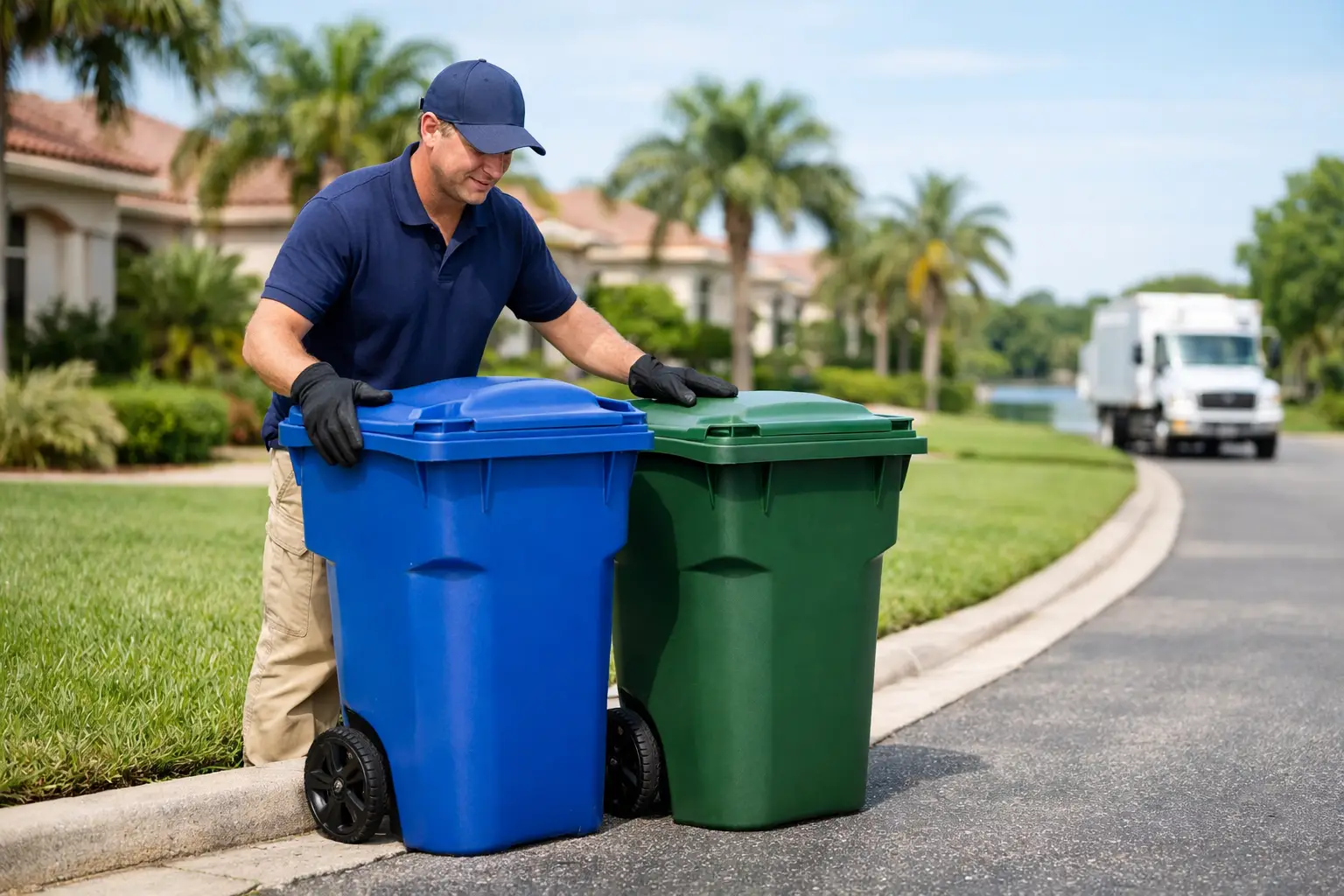
A trash cart left at the curb overnight can feel like a small detail - until it becomes a notice from the association, a complaint from a neighbor, or an eyesore outside a rental between guests. Sarasota HOA compliance often comes down to the routines people see from the street: when bins go out, when they come back, where they are stored, and whether they look and smell maintained.
For homeowners, seasonal residents, and property managers, trash day is not just a weekly chore. It is part of keeping the property orderly, occupied-looking, and easy to live with. The good news is that most curbside issues are preventable with a clear routine and a little attention to the rules that apply to your community.
Why HOA Rules Pay Attention to Trash Carts
HOAs are responsible for maintaining a consistent appearance across the neighborhood. That may sound cosmetic, but the practical reasons are easy to understand. Overflowing trash attracts pests. Dirty carts create odors. Bins that stay curbside too long can block sidewalks, clutter a streetscape, and make a well-kept community look neglected.
Many Sarasota-area associations address waste containers in their governing documents, architectural standards, rules and regulations, or property-management notices. The language varies, so there is no single rule that applies to every neighborhood. One community may require carts to be returned by the evening of collection day, while another may specify a particular storage location or limit the hours bins may be visible from the street.
That distinction matters. Do not rely on what a nearby neighborhood does. Your association's current written rules, along with county or municipal collection requirements, should guide your routine.
The Curbside Habits That Prevent HOA Trouble
The most common violations are usually not dramatic. They are missed timing windows, carts stored in plain view, bags left beside the bin, or containers that have become visibly dirty. A dependable system handles all four.
Put bins out only during the allowed window
Check whether your HOA sets a rollout time, especially for homes on prominent streets, near entrances, or in tightly designed communities. Some associations allow bins at the curb the night before pickup. Others set narrower windows. If the collection truck arrives early, waiting until morning can be risky. If your community prohibits overnight curbside storage, putting them out too soon can be just as risky.
For people who travel, work long hours, or have difficulty rolling a full 95-gallon cart down a long driveway, this is where a scheduled valet routine can make the difference. The goal is simple: the cart is curbside when collection happens, not sitting out longer than it needs to be.
Bring carts back promptly after collection
This is the step that gets missed most often. A homeowner may remember to place the bin at the curb but not get home until late, or a vacation-rental turnover may take attention away from what happened after the truck passed.
Prompt return protects more than HOA standing. It keeps carts from becoming obstacles, reduces the chance of a bin blowing over in afternoon storms, and avoids giving the impression that a property is unattended. For seasonal residents, that occupied-looking detail has real value.
Store containers where your community expects them
Many associations require carts to be kept behind a fence, inside a garage, along a screened side yard, or otherwise out of view from the road. Others may allow side-yard storage but require that the cart not be visible from neighboring lots or common areas.
Before moving bins, consider both the rule and the physical setup. A cart tucked behind landscaping may satisfy appearance standards, but it should still be reachable without dragging it across mulch, gravel, or soft grass. A good storage spot is discreet, stable, and practical on collection day.
Keep the cart clean enough to belong at your home
A dirty bin is easy to overlook because it is a utility item. From the curb, however, residue, black streaks, mildew, and a stained lid are noticeable. In Florida heat, food waste can also turn a closed cart into a source of odor, flies, maggots, and bacteria surprisingly fast.
Not every HOA rule specifically says, "clean your garbage bin." But many rules require that containers be maintained in sanitary condition or that owners avoid nuisances, odors, and unsightly conditions. A clean cart supports the spirit of those standards while making the walk to the curb much more pleasant.
Read the Rules Before a Reminder Becomes a Violation
If you have not looked at your HOA documents since closing, locate the current version before assuming you know the rule. Associations can amend policies, and property managers may issue collection-day reminders when service schedules or local requirements change.
Pay attention to the exact language around container placement, approved collection days, storage, bagged waste, and bulky items. Also note how your community handles violations. Some associations begin with a courtesy reminder. Others use a formal notice process, fines, or a hearing after repeat issues.
For landlords and vacation-rental operators, the responsibility often remains with the owner even when a guest or tenant caused the problem. Clear instructions help, but instructions alone do not move a cart back from the curb. Build trash handling into your turnover and property-check routine rather than treating it as an afterthought.
A Better Routine for Homes That Are Not Always Occupied
A consistent collection-day plan removes the guesswork. The most reliable approach is to know the pickup schedule, have bins rolled out during the approved window, confirm collection occurred, and return the carts promptly to their proper storage area.
Photo confirmation can be especially useful when you are away. It gives a second-home owner or manager a record that the carts were placed out and brought back in, rather than relying on a guest, neighbor, or contractor to remember. That small bit of proof can prevent a lot of unnecessary checking-in.
Curb Critter is built around that kind of hands-free routine: bins go out after 5 p.m. before scheduled collection, come back after 3 p.m. on collection day, and receive photo confirmation at both stages. Because every community has its own rules, homeowners should still confirm that those timing standards fit their HOA's requirements.
Clean Bins Without Creating a New Problem
There is a practical trade-off in bin cleaning. Hosing out a cart in the driveway may seem quick, but wastewater carrying residue, sanitizer, grease, and debris should not be allowed to flow into storm drains. In coastal Florida, that is not a detail to ignore.
Professional cleaning is most effective immediately after collection, when the cart is empty. High-pressure hot water, sanitizer, deodorizer, and on-site wastewater capture can remove buildup without sending dirty runoff down the street. It also avoids scheduling a separate visit around a full bin.
How often a cart needs cleaning depends on the household. A part-time residence with mostly dry waste may need less frequent service than a busy family home or vacation rental with frequent food waste. During hot, humid months, a monthly routine is often the easiest way to stay ahead of odors and pests.
When a Bin Problem Is Really a Property-Management Problem
If violations keep happening, the issue may not be the bin itself. It may be that no one owns the process. A resident assumes the landscaper will move the cart. A guest assumes pickup is on another day. A property manager receives a notice after the cart has already been sitting outside for two days.
Assigning one accountable routine is better than hoping someone notices. That might be a household member, a caretaker, or a recurring valet service. What matters is that the schedule works during holidays, travel, rain, illness, and high-turnover weeks - not just during an ordinary Tuesday.
A clean, properly stored cart will never be the centerpiece of a beautiful Sarasota home. That is exactly the point. When trash handling is done right, it disappears into the background. You relax, the curb stays clear, and your home looks cared for long after the collection truck has gone.