Sarasota Summer Waste Guide for Cleaner Curb Days
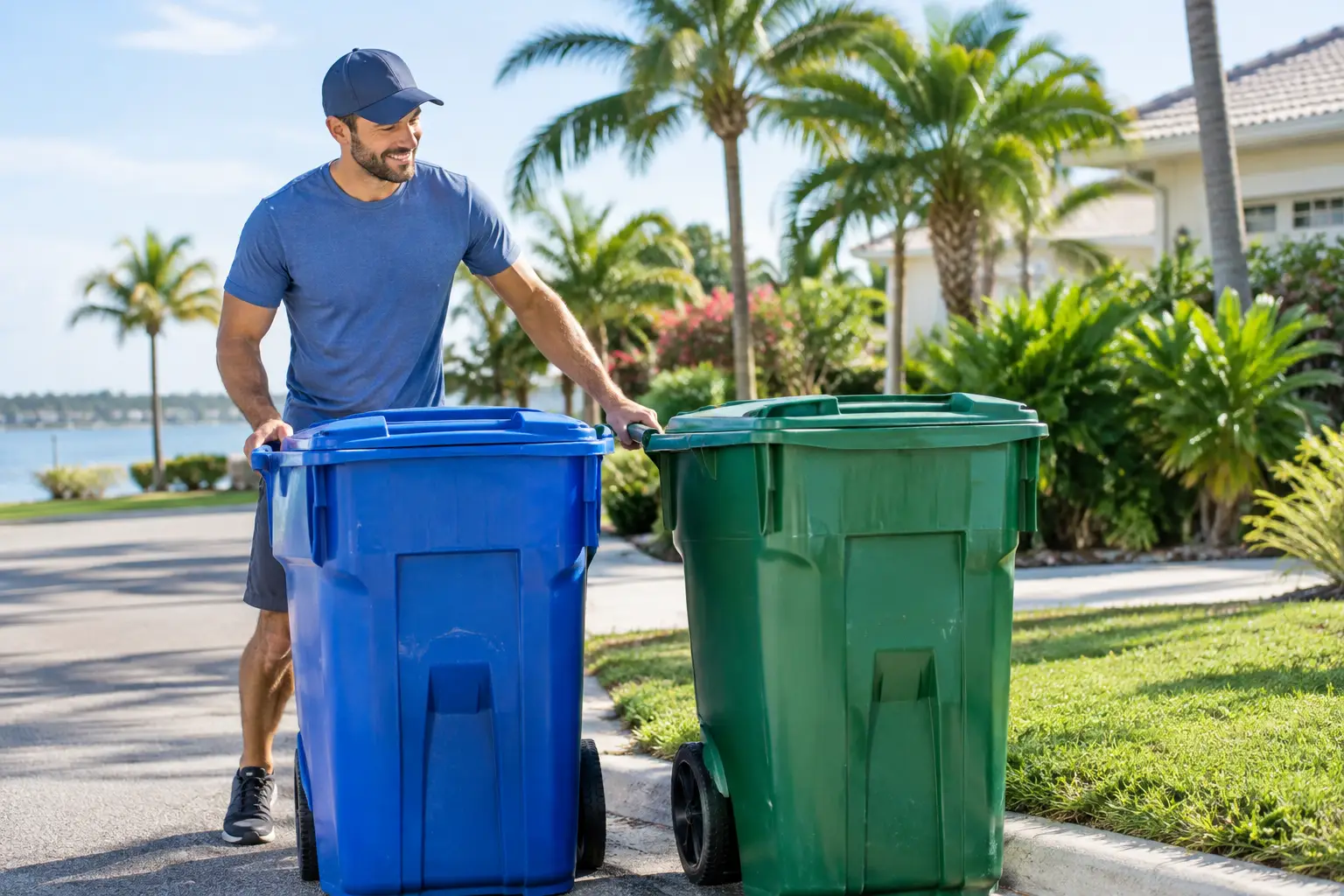
A Sarasota summer waste guide starts with a familiar scene: a full cart sitting in afternoon heat, a storm rolling in, and pickup day suddenly feeling like one more job that cannot wait. In Florida, trash is not just something to take out. It can become a source of odors, pests, leaks, strained backs, and curb-appeal problems in a matter of days.
Summer brings more people, more food waste, more yard debris, and more pressure on household routines. Whether you live here year-round, manage a second home, or turn over a vacation rental, a few practical habits can keep curb day from becoming a recurring headache.
Why Sarasota Summer Trash Gets Messy Fast
Heat speeds up the problem. Food residue and moisture trapped inside a closed cart create the conditions that odor-causing bacteria, mold, and maggots like best. Add a wet garbage bag, seafood scraps after a family dinner, or an overflowing rental bin, and a cart can smell unpleasant long after collection day.
Rain changes the equation, too. A lid left open can collect water, adding weight and creating a messy mixture at the bottom of the can. Heavy storms can also blow loose trash across the driveway or street. That is not a good look in a neighborhood with HOA standards, and it is especially frustrating when guests are arriving at a rental property.
Then there is the physical side of the job. A full 95-gallon cart is awkward in any weather. Pulling one across gravel, grass, uneven pavers, or a long driveway in Florida heat can be a real burden for older adults, anyone recovering from an injury, and homeowners who simply do not want to risk a fall for a weekly chore.
Sarasota Summer Waste Guide: Make Curb Day Predictable
The most reliable trash routine is a boring one. Know your collection day, stage the cart where it is easy to access, and get it to the curb within your local collection window. If you travel, have a changing rental schedule, or just do not want to plan your evening around the garbage truck, create a backup plan before a missed pickup leaves trash sitting for another week.
Keep the path from your storage area to the curb clear. Trim back anything that catches the cart wheels, move vehicles that block the route, and avoid storing the bin behind heavy patio furniture or a locked gate that is difficult to reach. Small obstacles matter when the cart is loaded.
Place carts upright with lids fully closed whenever possible. An overstuffed container may leave bags exposed to rain, animals, and wind. It can also create problems for collection crews. If your household regularly fills the cart before pickup day, the answer may be an additional bin, a different disposal routine, or more disciplined bagging rather than hoping one overflowing cart will hold everything.
For seasonal residents, a visible curb routine does more than handle waste. It helps the property look maintained while you are away. A bin left at the street for days can signal that nobody is home, while a missed collection can leave a full cart sitting outside until your return.
Bag Smart Before the Heat Does Its Work
The inside of the bin reflects what goes into it. The goal is not perfection. It is keeping loose, wet, and odorous waste from coating the bottom and sides of the cart.
Drain liquids before throwing away food containers, and securely tie garbage bags. If a bag is likely to leak, double-bag it or place it inside a sturdier liner before it goes into the cart. This is particularly useful for meat packaging, pet waste, greasy takeout containers, and refrigerator cleanouts.
Cardboard and recyclable containers should be clean and dry enough for your local program. A greasy pizza box or a container still holding food can contaminate other recyclables and create odors in the heat. Collection rules can vary by neighborhood and provider, so use your local guidance for what belongs in each cart instead of guessing.
Yard waste deserves its own plan. Summer storms can bring down branches and palm fronds quickly, but a regular trash cart is not always the right place for oversized landscape debris. Set out material according to local collection requirements, and do not jam long branches into a cart where they prevent the lid from closing.
Do Not Let Rainwater Settle in the Bin
A closed lid is your first defense against stormwater, but it is not the only one. Check that the lid closes evenly and is not warped, cracked, or blocked by bags. If rainwater does collect inside, empty it after collection when the cart is safe to handle rather than letting it sit beneath the next load of garbage.
Avoid rinsing a dirty bin down the driveway or toward the street. The runoff can carry grime, bacteria, and residue into storm drains. A clean-looking driveway is not worth sending dirty wash water into the neighborhood drainage system.
This is where professional bin cleaning has a practical advantage. A service using high-pressure hot water, sanitizer, deodorizer, and on-site wastewater capture can clean the cart without creating improper stormwater runoff. Cleaning immediately after collection also makes sense because the container is empty, not full of bags waiting to be moved.
Clean the Can Before Odor Becomes the Problem
If you only react when the smell becomes noticeable from the garage, the cart has usually needed attention for a while. In summer, monthly cleaning is a sensible cadence for homes with regular food waste, pets, family gatherings, or frequent rental turnovers. Some lighter-use households may need less frequent service. It depends on how much waste the cart holds, how much shade it gets, and whether bags stay intact.
A properly cleaned bin is about more than fragrance. It removes the stuck-on residue that feeds bacteria and attracts flies. It also makes it easier to spot cracks, broken wheels, or lid damage before a cart becomes difficult to move or secure.
Curb Critter handles this work after collection, when the bin is empty, then sanitizes and deodorizes it as part of a recurring route. For homeowners, that means one less dirty job to schedule separately. For property managers, it creates a consistent standard across the homes they oversee.
Rental Properties Need a Turnover Plan
Vacation rentals create waste spikes that a standard household routine may not cover. Guests often check out with bags left beside the cart, boxes from beach gear or grocery deliveries, and food waste that has been sitting through a warm weekend. Without a clear plan, the next guest may arrive to an overfilled bin or a lingering odor near the entry.
Build trash checks into every turnover. Confirm that bags are inside the cart, the lid closes, and collection timing is accounted for before the next check-in. If a pickup falls between guests, make sure someone is responsible for rolling the bins out and bringing them back promptly. Leaving carts curbside too long can invite complaints and make the property appear unmanaged.
The same rule applies to homes that sit empty part of the year. A one-time curb-day visit can be useful before or after a trip, while a recurring routine offers more peace of mind for owners who are away for extended periods. Photo confirmation adds a simple layer of accountability: you can see that the bins went out and came back without needing to be there.
Keep the Routine Hands-Free When You Can
The best waste plan is one that fits real life. If you are capable of moving the cart and prefer handling it yourself, a clear schedule and clean bin may be all you need. If the job has become physically difficult, unreliable during travel, or easy to miss during a busy rental week, outsourcing the curb-day work is a practical choice, not an indulgence.
A dependable routine keeps carts out on time, returns them after pickup, and addresses the sanitation problem before it becomes an odor problem. You relax, your curb stays orderly, and the bin stops being the one household task that waits until the weather is at its worst.