Second Home Trash Service That Keeps Things Easy
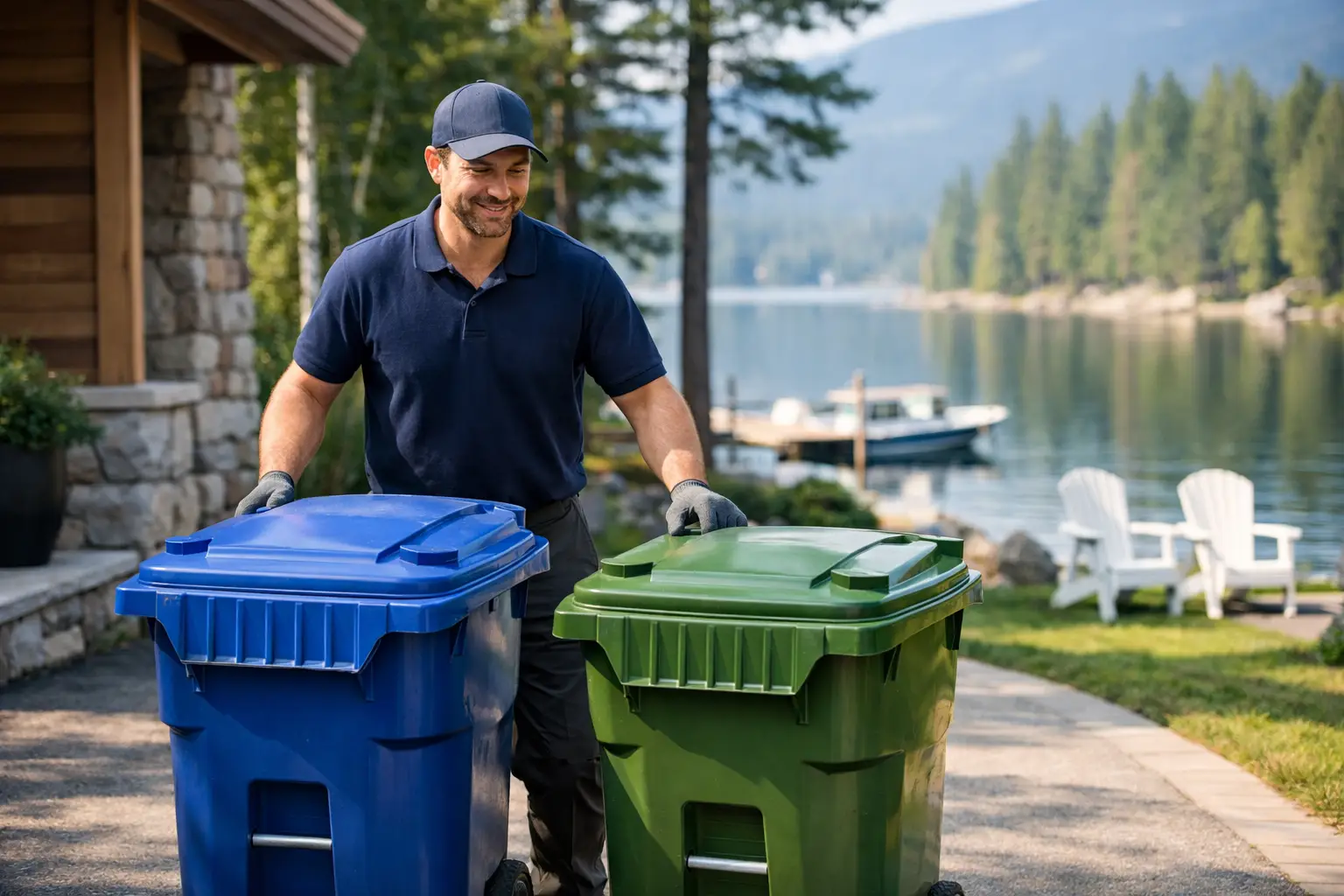
A second home should feel like a place to arrive and relax, not a place where you wonder whether the trash is still sitting at the curb. For seasonal residents, vacation-home owners, and rental managers, one missed collection day can turn into a very visible problem: overflowing carts, windblown bags, odors in the Florida heat, and a home that looks unattended.
Second home trash service handles a small but essential routine that is easy to overlook from another state. The right service does more than move bins. It gives your property a dependable curb-day rhythm, keeps containers from becoming an eyesore, and provides proof that the job was done.
Why Trash Becomes a Second-Home Problem
Trash collection is tied to a local schedule, but a second home is rarely occupied on a local schedule. You may be away for weeks, arrive after a long drive, or have guests leaving on a different day than pickup. A cart can be left out too long because nobody is there to bring it back. Or it can stay beside the house because nobody rolled it out in time.
Both situations create problems. A full bin invites pests and can produce strong odors quickly, especially through Sarasota and Bradenton summers. A cart parked at the curb for days can draw HOA attention and make a property look vacant. For homes on Siesta Key or Anna Maria Island, where weather, visitor traffic, and neighborhood presentation all matter, trash day can have an outsized effect on curb appeal.
There is also the practical issue of the cart itself. A 95-gallon container is awkward to handle, even on a smooth driveway. Add grass, gravel, a long side yard, rain, or limited mobility, and moving bins becomes a chore many homeowners would rather not plan their week around. For a second-home owner, it may be a chore that falls to a neighbor, cleaner, or property manager who already has plenty on their plate.
When Second Home Trash Service Is Worth It
A recurring service makes the most sense when the property needs to look cared for whether someone is there or not. Snowbirds are a natural fit: pickup happens on schedule while they are away, without asking a neighbor to remember a weekly task. It also works well for owners who split time between homes and do not want arrival or departure dates dictated by garbage collection.
Vacation rentals have a slightly different need. The challenge is not only getting carts out and back. It is managing the space between guest turnovers. A missed collection window can leave the next guests looking at someone else’s trash, and a dirty cart can make an otherwise well-prepared rental feel neglected before guests even walk through the door.
For occasional travelers, a one-time trip may be enough. If you are away for a short stretch and just need bins handled on one collection day, that can be the practical choice. If the home sits empty for months, has frequent turnovers, or you simply want the task permanently off your list, recurring service is usually the better fit.
The key is consistency. A service should follow your collection schedule every week, not depend on someone remembering to text, call, or check the calendar at the last minute.
What Reliable Curb-Day Care Looks Like
Dependable trash handling is specific. The cart needs to be at the curb before collection, then removed promptly after collection. Vague promises to “take care of it” leave too much room for missed windows.
Curb Critter moves bins to the curb after 5 p.m. before scheduled pickup and returns them after 3 p.m. on collection day. That timing matters. Your bins are not sitting by the street longer than necessary, and they are in position before the morning route arrives. Photo confirmation at both stages adds another layer of accountability. From wherever you are, you can see that the bins went out and came back in.
This kind of confirmation is especially useful for remote owners and property managers. It avoids the familiar uncertainty of wondering whether a contractor came by or whether a neighbor remembered. A photo is simple, but it turns an invisible household task into a documented service.
Good second-home trash service should also be flexible enough for the way people actually use their properties. A subscription with month-to-month cancellation is easier to live with than a long commitment that does not match a seasonal schedule. Plans that include two bins cover many households, while additional bins can be added if a rental, large family gathering, or property layout calls for them.
Clean Bins Matter More in Florida
Getting the trash collected is only part of the job. Once the truck empties the cart, residue can remain stuck inside: leaking bags, food waste, lawn debris, and the grime that collects along the lid and wheels. Heat and humidity turn that residue into odor-causing bacteria, mold, flies, and maggots.
That is not the trash. It is the can.
A monthly bin cleaning service is especially useful for a second home because no one has to be present to wrestle with a hose, cleaning chemicals, and a dirty container. More importantly, the cleaning should happen when the bin is empty. Cleaning a full cart is ineffective, and scheduling a separate appointment creates another thing for a remote owner to coordinate.
With a combined valet and cleaning route, bins can be cleaned immediately after collection. Professional cleaning uses high-pressure hot water, sanitizer, and deodorizer to remove built-up grime and the sources of odor. Proper wastewater capture matters, too. Dirty runoff should not be pushed into a driveway, street, or storm drain.
There is a trade-off to consider. Monthly cleaning is ideal for most second homes and vacation rentals, but a property with only light use may not need the same frequency as a busy rental with weekly guest turnover. On the other hand, waiting until a bin smells bad often means the problem has been building for weeks. Regular cleaning is less about making a cart look perfect and more about keeping an unpleasant surprise from greeting you, your guests, or your neighbors.
Questions to Ask Before You Set Up Service
Before choosing a provider, confirm the details that determine whether the service will actually reduce your workload. Ask how bins are placed for collection, when they are returned, and whether you receive confirmation. Find out what happens on holiday schedule changes or weather delays. A provider should know the local collection patterns and communicate clearly when a route needs to shift.
It is also worth discussing access. Let the service know where the carts are stored, whether there is a gate, and if the property has a long driveway or special HOA rules. Clear instructions at setup prevent missed service later. For vacation rentals, make sure the service arrangement fits your turnover routine and gives housekeepers enough room to handle any extra bags properly.
Finally, be realistic about trash volume. Standard household bins are designed for ordinary weekly waste, not oversized furniture, construction debris, or a major cleanout. If guests leave more than the cart can hold, a regular curb-day valet cannot solve that on its own. A simple guest guideline and a plan for overflow protect the service routine and the property.
A well-kept second home does not announce that its owners are away. The bins are out when they need to be, back where they belong, and clean enough that opening the lid is not a moment you dread. That is one less household detail to manage from a distance, and one more reason your next arrival can start with the part that matters: enjoying the home.