Wastewater Capture for Cleaner Curbside Bins
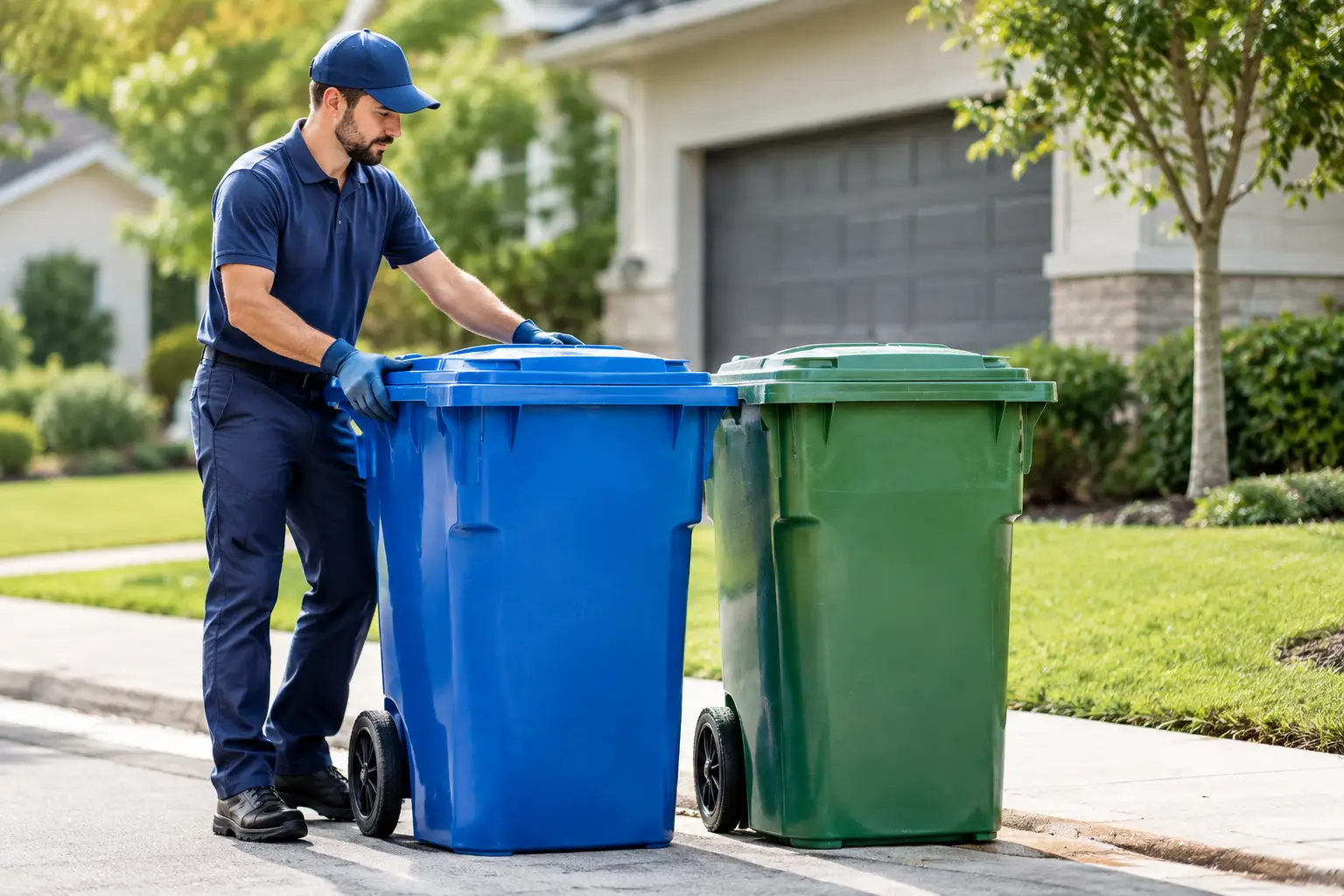
A garbage cart can look empty after pickup and still be full of trouble. Grease, drink residue, pet waste, leaking bags, mold, and bacteria cling to the inside walls, then turn Florida heat into a smell you notice before you open the lid. Wastewater capture is the part of professional bin cleaning that keeps the dirty wash water from becoming somebody else’s problem at the curb.
For homeowners, seasonal residents, and rental-property managers, that detail matters. A clean cart should not leave contaminated water running down the driveway, across the street, and toward a storm drain. The job is not finished when the bin looks better. It is finished when the mess has been cleaned up responsibly, too.
What Wastewater Capture Means During Bin Cleaning
Wastewater is the used water created while washing a garbage cart. Once high-pressure water loosens stuck-on grime, that water may contain food residue, bacteria, mold, cleaning solution, and whatever leaked from trash bags over the past month. It is no longer clean water.
Wastewater capture means collecting that wash water at the cleaning location instead of allowing it to flow into the gutter or stormwater system. A professional cleaning unit can wash the container while containing the runoff, then remove the collected wastewater for proper handling. The goal is straightforward: clean the bin, not the street.
This is especially relevant in coastal Florida communities, where curbside runoff can travel quickly during a rain shower. A little dirty water at the end of a driveway may not look like much, but it can carry odors, residue, and contaminants away from the cleaning site. Capturing it is a practical part of doing the work with care.
Why Wastewater Capture Matters at the Curb
A typical household trash cart sees more than dry bagged garbage. It collects drips from kitchen bags, spoiled food after a missed pickup, yard-waste residue, and liquids from takeout containers. Vacation rentals can see an even heavier load between guest turnovers, particularly when bins sit in the sun with bags packed tightly inside.
When a cart is washed without containment, the dirty water has to go somewhere. If it runs down the curb, it can leave a trail of odor and grime even though the bin itself looks clean. Rain can carry that runoff farther, making a quick rinse less responsible than it appears.
Wastewater capture also supports the reason most people schedule bin cleaning in the first place: sanitation. Hot water, pressure, sanitizer, and deodorizer can remove the buildup that gives bins their familiar smell. But clean results are about more than appearance. They are about reducing the residue that attracts flies, supports maggots, and makes handling the cart unpleasant.
For older homeowners, this can be one less dirty task to manage in the heat. For snowbirds, it is a way to keep a home’s exterior maintained while they are away. For property managers, it helps keep curb areas presentable without adding another chore to a turnover day.
The Best Time to Clean a Garbage Cart
Empty carts are the right carts to clean. Cleaning immediately after collection gives a service team access to the bin when it is free of bags and before new trash starts building up. There is no need for a homeowner to stage a separate appointment or leave a container empty on a random day.
That timing also makes wastewater capture more practical. The cart can be cleaned at the curb, using a dedicated system designed to contain the wash water, then returned ready for the next week of use. It is an efficient sequence: collection happens, the empty bin is washed, wastewater is captured, and the cart is returned clean and deodorized.
At Curb Critter, bin cleaning is scheduled after collection and paired with recurring valet routes. Customers do not have to drag a 95-gallon cart out for cleaning, remember another service window, or wonder whether the work was completed. The bins go out after 5 p.m. before collection, come back after 3 p.m. on pickup day, and receive photo confirmation at both stages.
Wastewater Capture Is Not Just a Rinse
A garden hose rinse may remove loose debris, but it rarely addresses what is stuck to the cart or where the runoff goes. High-pressure hot water does more of the cleaning work, reaching the corners, lid, and interior walls where residue collects. Sanitizer helps address odor-causing bacteria, while deodorizer leaves the cart more pleasant to use.
Still, the equipment and method matter. More water pressure is not automatically better if the runoff is allowed to spread across the pavement. Likewise, a strong fragrance can cover an odor for a few days without removing the residue causing it. A quality cleaning process combines physical removal, sanitation, odor control, and wastewater collection.
There are trade-offs to consider. A one-time cleaning can make sense after a spill, a move-out, a long vacancy, or a particularly messy rental turnover. Recurring service is often the better fit when carts regularly sit outside in heat and humidity. Monthly cleaning keeps buildup from becoming a bigger project and helps prevent the return of stubborn odors and insects.
Questions to Ask Before Scheduling Bin Cleaning
Not every bin-cleaning service follows the same process. Before choosing one, ask what happens to the wash water. A clear answer should explain whether wastewater is captured on-site rather than sent into the street or storm drain.
It is also worth asking when the cleaning takes place. A service that cleans after trash collection can work with an empty cart, which is easier on the homeowner and more effective for the cleaning team. For recurring valet customers, combining rollout, return, and cleaning can eliminate multiple scheduling headaches at once.
Finally, ask how the service documents completion if you are not always at the property. Photo confirmation is useful for second-home owners and rental operators because it provides a simple record that the cart was moved and returned. Reliable routines matter when missed collection can lead to overflowing bins, HOA complaints, or a less polished arrival for guests.
A Cleaner Cart Should Leave a Cleaner Curb
Garbage bins do a necessary job, but nobody needs to live with the odor, grime, and physical hassle that can come with them. Proper wastewater capture turns bin cleaning into a complete service rather than a cosmetic rinse. It keeps the dirty part of the job contained while your cart comes back cleaner, fresher, and ready for the next pickup.
The next time a bin needs attention, look beyond the clean lid and fresh scent. The better question is simple: where did the dirty water go?