How to Schedule Valet Around Vacations With Ease
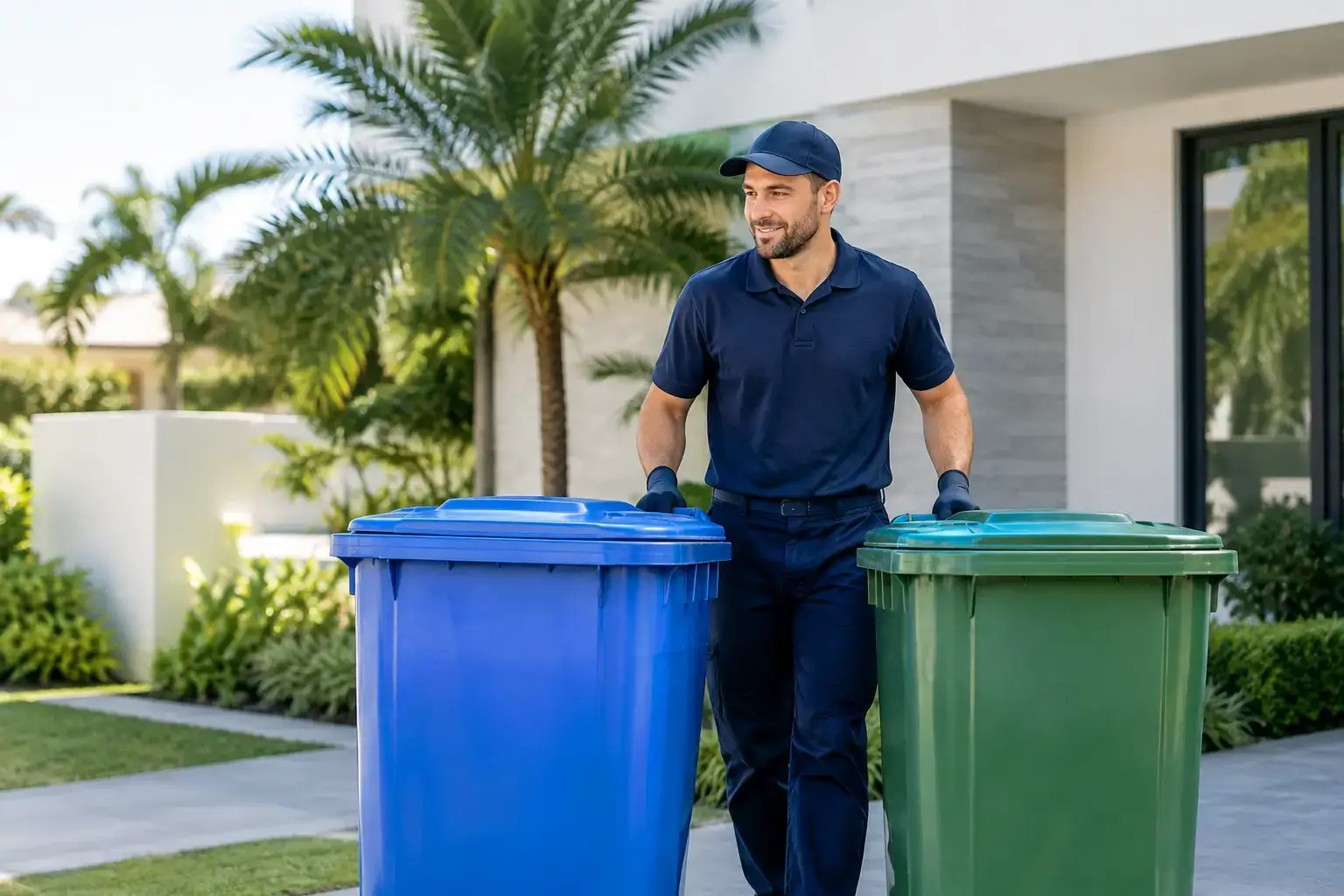
Leaving town should not mean asking a neighbor to wrestle a 95-gallon cart down a hot driveway, hoping a guest remembers collection day, or returning to a bin that has sat full for a week. When you schedule valet around vacations, trash day remains handled on the same dependable routine, whether you are away for a long weekend, the summer, or an entire season.
For Florida homeowners, seasonal residents, and vacation-rental operators, that routine matters more than it may seem. A cart left at the curb too long can create an HOA issue. A cart that never reaches the curb can leave garbage piling up at the house. And an empty bin left dirty in the heat can quickly become an odor and pest problem.
Schedule valet around vacations before you leave
The simplest plan is usually the best one: set up recurring valet service before travel begins and let your regular collection schedule guide the work. A dependable valet route removes the need to remember which day the truck comes, track changing guest schedules, or coordinate help from afar.
At Curb Critter, bins are rolled out after 5 p.m. on the evening before scheduled collection and returned after 3 p.m. on collection day. Photo confirmation at both stages gives you a clear record that the task was completed. That is useful when you are across the state, out of the country, or simply do not want to spend your trip checking whether a household chore was handled.
For a short trip, a one-time valet visit may be the right fit. For snowbirds and second-home owners, recurring service usually creates less work over time. It keeps collection day covered week after week without needing to book each date separately.
Start with your actual collection calendar
Before making travel plans, confirm your regular waste and recycling days. Holiday weeks, storm-related changes, and separate yard-waste schedules can affect when carts need to be out. Share any known changes with your service team as early as possible, especially if a departure date falls near pickup day.
It also helps to think through which carts will be used. Many homes have trash and recycling containers, while vacation properties may also have additional bins for a separate unit or guest area. A plan that includes two bins covers the standard setup for many households, but additional carts should be identified ahead of time so nothing is overlooked.
The goal is not to create a complicated travel checklist. It is to make sure the right container is accessible, on the right day, every week you are gone.
Leave the bins accessible, not hidden away
Security is a reasonable concern when a home will be vacant. Still, carts need to be reachable for valet service to work. Before leaving, place them in the agreed pickup location and avoid blocking them with vehicles, patio furniture, locked gates, or stacked supplies.
A clear path matters, too. Wet grass, gravel, uneven pavers, and narrow side yards are common around Sarasota and Manatee homes. They are also the places where a heavy cart becomes difficult to move safely. A designated storage spot near the side of the home or garage can make pickup predictable without putting bins on display all week.
If a gate code, access instruction, or placement preference changes, communicate it before the next service date. Small details are what prevent a routine curb day from becoming a missed collection.
For rental properties, make the instructions easy for guests. They do not need a long explanation. They do need to know that bins are for household waste, lids should close when possible, and oversized items should not be forced inside. A full cart with a propped-open lid can attract pests and look neglected quickly, particularly during a busy turnover week.
Plan for the trash guests leave behind
Vacation rentals have a different challenge than an owner-occupied home: the amount of trash can change without warning. A family checking out after a beach week may leave several bags at once. A holiday weekend can fill containers faster than a normal stay. If the cart is already full before collection day, valet service can get it to the curb, but it cannot create extra capacity.
Property managers should review expected occupancy and turnover timing before a trip or extended absence. If a large group is leaving, arrange for housekeeping to consolidate bags properly and make sure the bin is not blocked by cleaning equipment. Where permitted and appropriate, an additional bin can be a practical safeguard for a high-volume property.
This is also where photo confirmation earns its keep. Rather than wondering whether the cart was put out or returned, you have visual proof of both. For remote owners managing a property from another city, that level of accountability can reduce a lot of back-and-forth with cleaners, guests, and neighbors.
Do not come home to a dirty container
Even when the trash has been collected, the can itself may still hold leaks, residue, bacteria, mold, and odor. Florida heat does not give that mess much time to develop. What begins as a forgotten bag of shrimp shells or a leaking takeout container can turn into a smell that lingers around the garage, lanai, or entry path.
Cleaning is most effective immediately after collection, when the container is empty. The process should use high-pressure hot water, sanitizer, and deodorizer to remove stuck-on grime and odor-causing bacteria. Wastewater should be captured on site rather than washed into a storm drain. That protects the property and avoids turning a cleaning task into a runoff problem.
For homeowners away for months, monthly bin cleaning helps keep an overlooked part of the property maintained. For rentals, it supports a better arrival experience for the next guest and reduces the chance that a dirty cart becomes the first thing they notice outside.
There is a practical trade-off here. Cleaning every bin after every pickup is not necessary for most households. Monthly service is often enough to keep odors and buildup under control. Homes with frequent guest turnover, pet waste, diapers, seafood waste, or several large containers may benefit from closer attention.
Give your service team the right travel details
A vacation plan works best when it is clear, not overly detailed. Let the service team know your departure and return dates, whether anyone will be staying at the home, and whether there are access changes while you are away. If your property is in a gated community or has an HOA rule about when carts can be visible, mention that as well.
You do not need to monitor every collection day. You do need a plan for exceptions. For example, if a guest leaves early, a caretaker visits, or a storm shifts normal routines, decide who can communicate any one-off change. For most owners, a single point of contact prevents crossed messages.
Long-term travelers should also consider billing and cancellation flexibility. A recurring service should fit seasonal living rather than force a year-long commitment that no longer makes sense. Flexible subscriptions and straightforward changes make it easier to keep the home cared for while your plans evolve.
A small routine that makes an empty home look cared for
Bins are not glamorous, but they are visible. A cart sitting at the curb for days can signal an unattended property. Overflowing bags can invite animals, odors, and complaints. A dirty container can make a well-kept home feel less cared for than it is.
Reliable valet and post-collection cleaning turn that weak spot into a routine you no longer have to carry. You relax, the bins go out, come back in, and stay cleaner while you are away. Before you lock the door for your next trip, make trash day one less thing waiting for you at home.