Second Home Upkeep That Works From Far Away
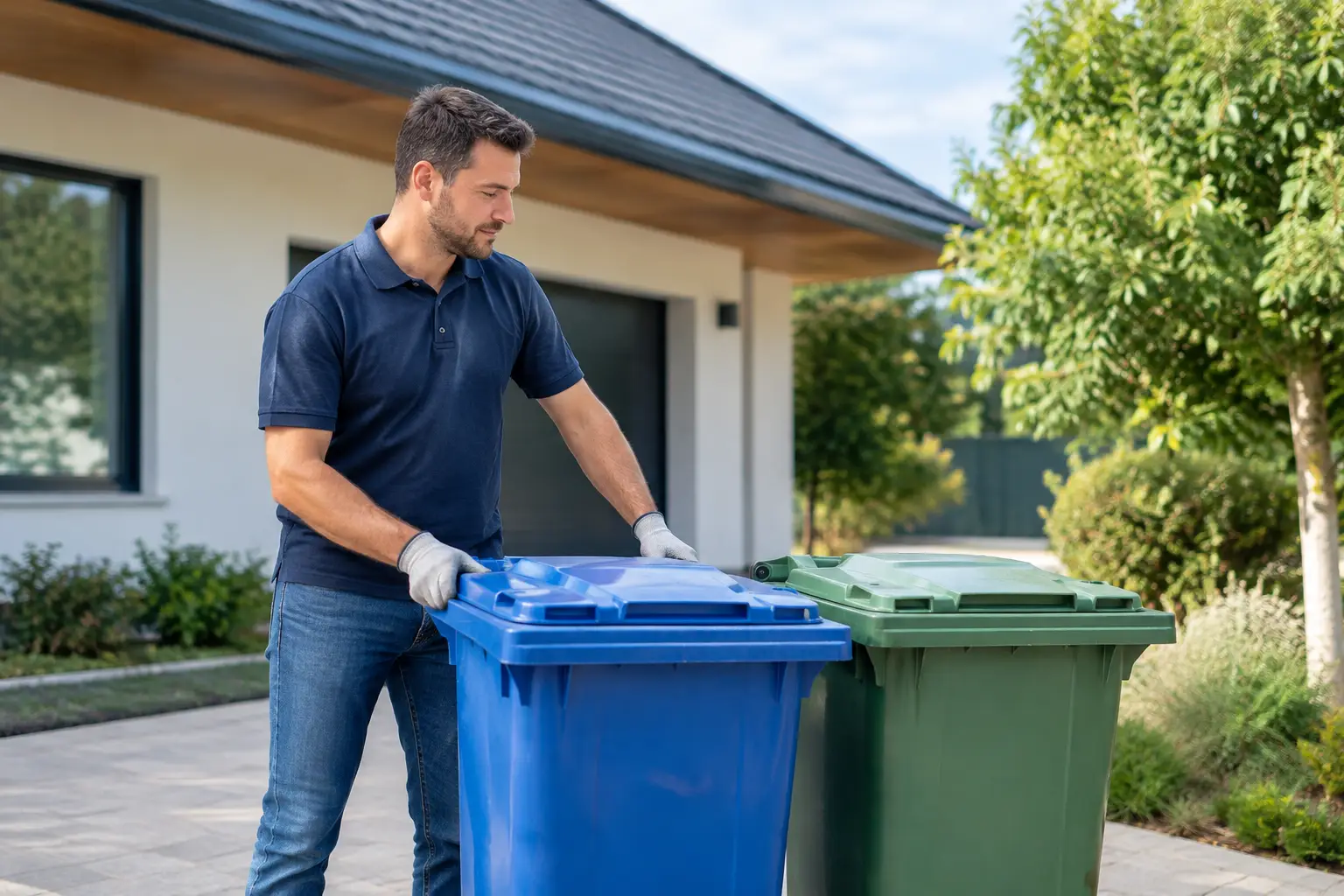
A second home should feel like a place to arrive and relax, not a list of problems waiting behind the front door. But second home upkeep has a way of becoming urgent from miles away: a missed trash pickup, an overflowing bin, a leaking irrigation line, or a storm-blown branch can quickly turn a quiet property into an expensive headache.
For seasonal residents, frequent travelers, and vacation-rental owners, the answer is not trying to manage every detail remotely. It is building a dependable routine around the tasks that protect your home’s condition, curb appeal, and neighbors’ peace of mind.
Start With the Jobs That Cannot Wait
Some household tasks can sit for a few days. Others cannot. The best upkeep plan begins by identifying the items that need attention on a weekly, monthly, or storm-related schedule.
Trash is one of the biggest examples. A bin left at the curb too long can draw HOA complaints, look like a vacant home, and create an easy target for wind, animals, or neighbors’ frustration. A bin that never makes it to the curb means missed collection, odor, pests, and a mess waiting for the next visit.
In Florida, heat and humidity make that problem move faster. Food residue, moisture, and warm temperatures can turn an ordinary garbage cart into a source of odor, bacteria, mold, flies, and maggots. That is not a problem to leave until the next time you are in town.
Your must-do list should also include mail and package checks, visible exterior inspections, lawn and landscaping care, pool monitoring when applicable, and regular checks for water leaks or air-conditioning issues. The goal is simple: no small issue should have weeks to become a major repair.
Build a Second Home Upkeep Calendar
A calendar turns vague intentions into work that actually gets done. It also helps you separate recurring service from occasional projects, so a handyman is not being called for jobs that should have a regular owner.
Weekly: Keep the Property Looking Lived In
Weekly attention is about presentation and prevention. Confirm that trash and recycling are handled on collection day, carts are returned promptly, and outdoor areas look orderly. If the home is vacant, a simple driveway and exterior walk-through can spot package buildup, fallen limbs, standing water, or damage to screens and shutters.
For vacation rentals, weekly coordination may need to be more frequent. Guest turnover creates more trash, and collection schedules do not always line up neatly with check-in and check-out dates. A full bin can become a guest complaint before the next reservation even begins.
Monthly: Inspect What Guests and Neighbors Notice
A monthly property check should cover the exterior, entryways, windows, landscaping, irrigation, lighting, and visible signs of pests. Inside, someone should check for unusual humidity, water stains, leaking toilets, refrigerator problems, and air-conditioning performance.
This is also the right rhythm for garbage-bin cleaning. Cleaning immediately after collection, while the container is empty, is more effective than trying to wash a cart full of waste. High-pressure hot water, sanitizer, deodorizer, and proper wastewater capture remove the grime without sending dirty runoff toward a storm drain.
Seasonal: Prepare for Arrival and Departure
Before leaving for the season, test smoke alarms, adjust thermostats, shut off or monitor water where appropriate, and make sure service contacts have current instructions. Before returning, schedule a deeper inspection, refresh outdoor areas, inspect the refrigerator and pantry, and confirm that essential services are ready.
It helps to keep a written departure checklist. The same checklist should be used every time, even if you believe you will only be gone for a few weeks. Travel plans change, and a home that is prepared for absence is easier to manage when plans do not go as expected.
Treat Trash as a Property-Care Task
Trash handling is easy to dismiss as a minor chore until it goes wrong. For older homeowners, moving a 95-gallon cart across a long driveway, grass, gravel, or uneven pavement can be physically demanding. For snowbirds, it may be impossible to do while they are out of state. For rental owners, guests may not know the local collection schedule or HOA rules.
A reliable trash routine solves several problems at once. Bins go out after 5 p.m. before scheduled collection. They come back in after 3 p.m. on collection day. The curb stays clear, the home looks cared for, and there is no need to ask a neighbor for repeated favors.
Photo confirmation is especially valuable when you are away. Instead of wondering whether the bins went out or came back, you have proof at both stages. That kind of small operational detail is what makes remote homeownership feel manageable.
Curb Critter combines curb-day valet with monthly post-collection bin cleaning, so homeowners can keep carts Out, In & Spotless without coordinating a separate cleaning appointment. For a second home, that recurring routine can remove one more loose end from the travel checklist.
Plan for Florida Heat, Rain, and Humidity
Florida properties face a different set of upkeep pressures than homes in cooler, drier climates. Humidity can encourage mildew and mold. Summer downpours can reveal drainage problems. Tropical weather can scatter debris, shift outdoor furniture, and damage screens, gutters, and landscaping.
Your local contact should know what deserves an immediate call. Active water leaks, air-conditioning failure, standing water near the home, signs of roof or window damage, and storm debris blocking access should not wait for a monthly report. On the other hand, minor mulch displacement or a single fallen palm frond may be handled during the next scheduled visit.
The trade-off is cost versus response time. A low-cost plan with occasional check-ins may work for a lightly used condo with building management. A single-family home, waterfront property, or busy vacation rental usually needs more frequent eyes on the property. The right schedule depends on how exposed the home is, how long it sits empty, and how quickly a problem could spread.
Give Every Service Provider a Clear Lane
Second-home upkeep gets confusing when everyone assumes someone else is handling a task. Your landscaper may notice a leaking hose but not be authorized to call a plumber. Your cleaner may take trash out but not know the collection schedule. Your neighbor may help in an emergency but should not become your full-time property manager.
Create a simple service map that states who handles each responsibility. Keep names, phone numbers, property access instructions, alarm procedures, and spending limits in one place. Include a short list of decisions that require your approval and another list of issues that should be fixed immediately.
This is not about over-managing people. It is about making ordinary service dependable. When expectations are clear, providers can act faster and you get fewer vague messages from afar.
Keep Your Home Ready for the Next Use
A second home may sit empty for weeks, then need to host family, renters, or your own last-minute getaway. That makes readiness part of upkeep. Fresh bins, trimmed landscaping, working lights, clean entry areas, and a clear curb all influence how the property feels on arrival.
For vacation rentals, the stakes are even higher. Guests notice overflowing carts, foul smells, and unkempt exteriors immediately. Those details can affect reviews even when the inside of the home is spotless. A consistent trash and sanitation routine protects the experience before guests reach the front door.
The practical goal is not perfection every day. It is making sure the home is never neglected long enough for a routine issue to become visible, unhealthy, or costly. When the recurring work is assigned, verified, and handled on schedule, you can leave town knowing your property is still being looked after.