Weekly Curb Rollout Assistance That Shows Up
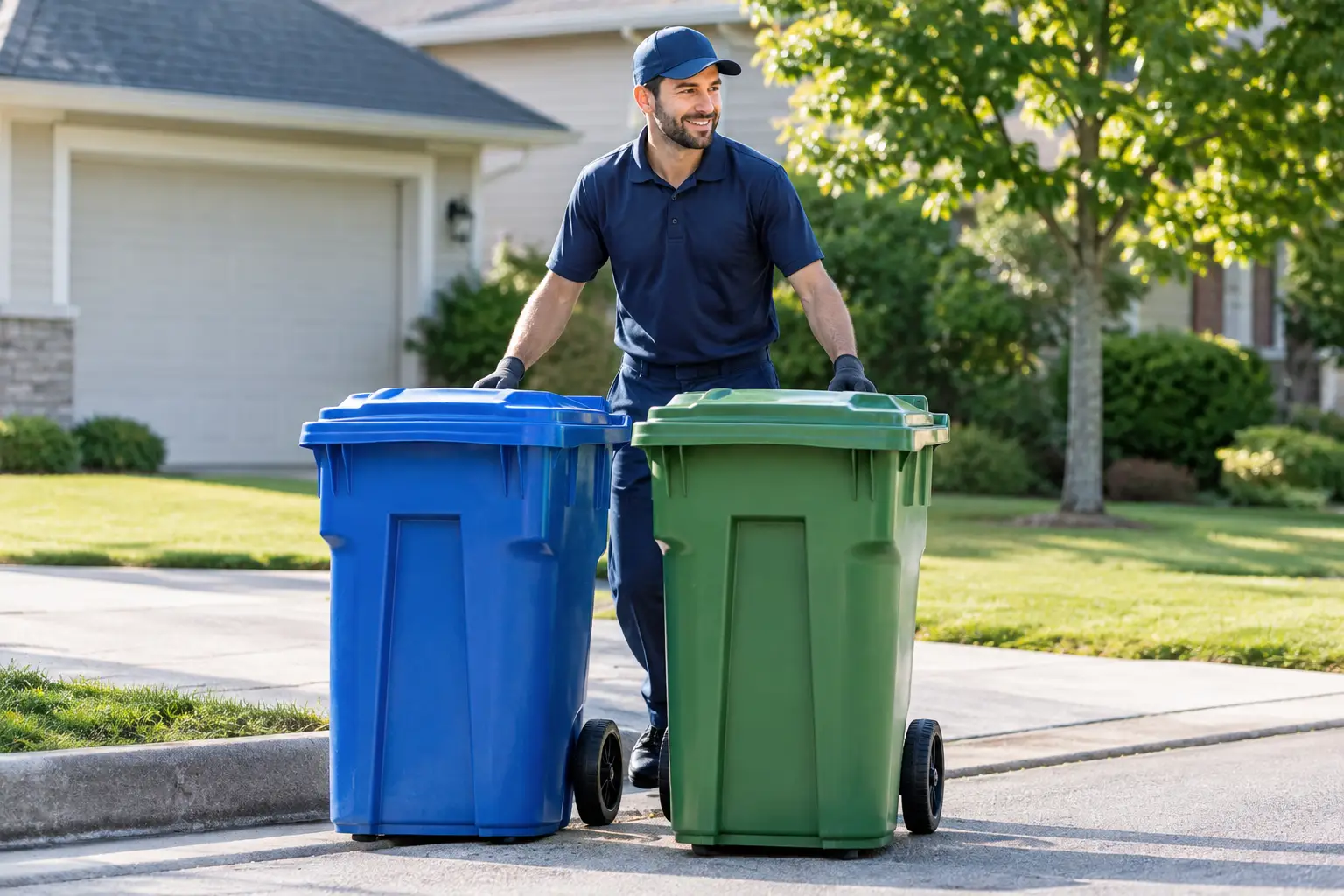
A full 95-gallon trash cart does not look like much until it is time to move it. Add a long driveway, wet grass, gravel, a steep curb, Florida heat, or a sore shoulder, and a routine chore becomes the one task you would rather not plan your day around. Weekly curb rollout assistance takes that burden off your hands by making sure your bins are out for pickup, returned after collection, and never left as the last thing waiting on your to-do list.
For homeowners, seasonal residents, and rental-property managers, the value is not just convenience. It is knowing the job is handled on the right day, at the right time, without a reminder, a favor from a neighbor, or a hurried trip back to the property.
What Weekly Curb Rollout Assistance Actually Covers
A reliable curbside service follows the collection schedule, not a vague promise to “keep an eye on it.” At Curb Critter, carts are rolled to the curb after 5 p.m. before scheduled collection. After the truck has come through, they are returned after 3 p.m. on collection day.
That timing matters. Putting carts out too early can make a driveway or front yard look cluttered, particularly in neighborhoods with HOA rules. Returning them promptly keeps bins from sitting at the curb overnight, blocking a walkway, or becoming an eyesore in front of a home or vacation rental.
The best weekly service also provides confirmation. A photo when the bins go out and another when they come back gives customers a clear record that the work was completed. That is especially useful when you are away for the season, managing several homes, or coordinating guest turnovers without being physically present.
Why a Small Chore Can Become a Big Hassle
Trash day has a fixed deadline. If a bin is not at the curb when the truck arrives, the household may be stuck with another week of waste. In warm, humid weather, that missed window can lead to unpleasant odors, pests, and an overflowing cart faster than most people expect.
For older adults aging in place, rolling a heavy cart can also be a genuine safety concern. A cart may need to cross uneven pavers, grass, loose gravel, or a sloped driveway. Pulling it through a gate or down to the curb requires balance and leverage, and a container that feels manageable when empty can be difficult when full.
Then there is the mental load. You have to remember whether the next pickup is trash, recycling, yard waste, or a holiday-adjusted schedule. You have to make sure the cart is accessible and get it back before rain, wind, or an HOA notice creates another problem. Weekly curb rollout assistance replaces all of those moving parts with a dependable routine.
A Better Fit for Seasonal Homes and Rentals
A second home should not advertise that nobody is there. Bins left at the curb for days can make a property look unattended, while bins left in a side yard full of old waste can create a different kind of problem when owners return.
For snowbirds, a recurring service keeps the home looking cared for while they are away. The photo confirmation provides reassurance without requiring someone to check in solely for trash day. It is a simple detail, but it helps maintain the lived-in appearance that matters to many seasonal homeowners.
Vacation-rental owners face a tighter schedule. Guest departures, housekeeping, and collection days do not always line up neatly. A missed pickup can mean overflowing bins during the next arrival, while a cart left out front can undercut the clean, ready-for-guests impression you work hard to maintain. Consistent rollout and return service helps keep the property orderly between bookings.
In Sarasota and Manatee County, where many neighborhoods blend full-time residents, part-time owners, and short-term rentals, dependable bin handling is one of those practical services that prevents avoidable friction.
The Difference Between Rollout and a Complete Bin Routine
Getting the carts to the curb solves one problem. It does not solve what is happening inside them.
Garbage bins collect residue from leaking bags, food waste, drink containers, pet waste, and moisture. Even when trash is bagged, grime can build up along the bottom and walls. That residue can support odor-causing bacteria, mold, and maggots. If a bin smells bad even after the trash is gone, that is not the trash - it is the can.
That is why a valet-and-cleaning routine can be more practical than treating curb service and bin cleaning as unrelated chores. When the collection truck empties the cart, the container is ready to be washed. There is no need to schedule a separate visit around a full bin or drag it somewhere for cleaning.
Curb Critter cleans bins immediately after collection using high-pressure hot water, sanitizer, and deodorizer. Wastewater is captured on site rather than washed into storm drains. The cart is then returned clean, helping reduce the grime and odor that make taking out the trash unpleasant in the first place.
Why post-collection cleaning is the sensible timing
Cleaning an empty bin is simply more effective. The service team can reach the bottom and interior walls without working around bags or loose debris. It also avoids the inconvenience of asking a homeowner to leave a cart empty on a random day just to accommodate a cleaning appointment.
For recurring customers, bundling cleaning with established valet routes means fewer appointments to track and fewer interruptions. Your bin comes back where it belongs, and it comes back noticeably cleaner.
What Dependability Should Look Like
Not every household needs the same level of help. Someone who is home year-round and has a short, flat driveway may mainly want the convenience of never handling the carts. A homeowner recovering from surgery may need the service temporarily. A property manager may need dependable support every week across multiple rental homes.
The common requirement is accountability. A service should be clear about when bins go out, when they return, how customers know the work was done, and what happens if collection schedules shift.
Before choosing recurring weekly curb rollout assistance, ask practical questions: Is there photo verification at both stages? Are service days based on your actual collection schedule? Can additional bins be added if your household needs them? Is the plan flexible if your travel schedule changes?
Straight answers matter more than flashy promises. Trash service is a recurring household need, so the right provider should make it feel routine, not uncertain.
Convenience That Stays Flexible
A recurring subscription works well when trash day is a permanent hassle, but homeowners should not be locked into a service that no longer fits. Flexible month-to-month cancellation gives customers room to adjust, while quarterly billing keeps the arrangement straightforward.
Two bins are included in a standard plan, with additional bins available when needed. That can be useful for larger households, homes with separate recycling carts, or rental properties with higher turnover. For travelers who only need help during a specific absence, a one-time trip option can cover the gap without committing to an ongoing schedule.
The point is not to add another complicated household service. It is to remove a chore that has a deadline, a physical demand, and an outsized effect when it goes wrong.
When trash day arrives, you should not have to lift, pull, remember, check, or worry. Your bins go out, come back, and stay cleaner along the way. You relax.