7 Benefits of Post Pickup Cleaning for Your Bins
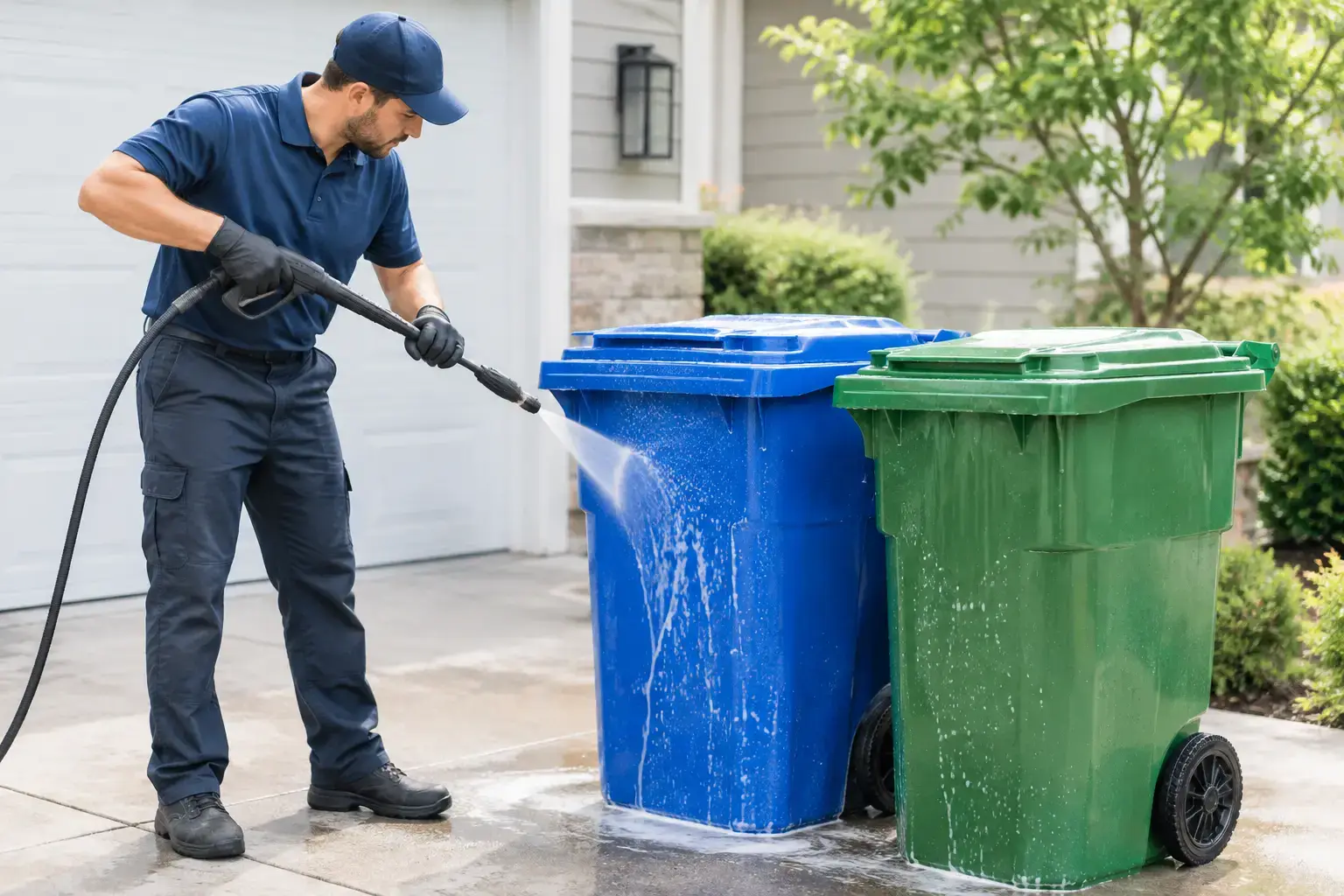
A garbage bin can look fine from the driveway and still hold the source of a stubborn smell, a fly problem, or a mess nobody wants to touch. The benefits of post pickup cleaning are not just about making carts look better. Cleaning right after collection addresses what is left behind when the bags are gone: leaked liquids, food residue, bacteria, mold, and grime pressed into the bottom and lid.
For homeowners, seasonal residents, and vacation-rental managers, this timing matters. An empty cart can be cleaned thoroughly without handling household trash again or scheduling another chore around an already busy collection day. Here are seven practical reasons post-pickup cleaning earns a place in a dependable property routine.
1. It Tackles Odors at Their Source
Trash odors do not disappear simply because pickup day arrives. Small leaks from bags, drips from containers, and residue on the bin floor stay put. In Florida heat, that leftover material can begin smelling again quickly, especially if the cart sits in a garage, side yard, or near an entryway.
Post-pickup cleaning removes the film that feeds those odors rather than covering it with fragrance. High-pressure hot water loosens buildup, while sanitizer and deodorizer help leave the container fresher for the next load of trash. That difference is noticeable when you open the lid a few days later.
A deodorizer alone can be useful for a short-term refresh, but it cannot replace washing away the grime underneath. If a can has a recurring sour, rotten, or musty smell, the problem is usually residue, not the absence of air freshener.
2. It Makes Bins Less Inviting to Flies and Maggots
Warm weather, moisture, and food waste create an easy invitation for flies. Once residue is left inside a cart, flies can be drawn to the smell even after the main trash has been collected. If eggs are present, maggots may appear along the bottom, lid seams, or inner walls.
Regular cleaning after pickup interrupts that cycle by removing food traces and washing out the damp buildup that pests use as a breeding ground. It does not mean a bin will never encounter a fly, particularly during a hot summer or after a bag tears. It does mean the cart is far less hospitable between collection days.
For homes near the coast, rental properties with frequent guest turnover, and households with outdoor storage areas, this is more than a cosmetic concern. Fewer pests around the bin area makes the whole property more pleasant to use.
3. It Helps Protect the People Who Handle the Cart
A full 95-gallon cart is awkward enough before you add slick handles, leaking trash, and a dirty lid. Dirty bins can leave residue on hands, clothing, garage floors, car trunks, and anything that brushes against them. For older adults aging in place, avoiding that contact is a meaningful part of staying hands-free with everyday chores.
Cleaning also makes the routine more comfortable for everyone else in the household. Kids taking out trash, visiting family members, housekeepers, and property staff are less likely to encounter sticky handles or an unpleasant surprise when they lift the lid.
There is a practical limit here: even a freshly cleaned bin should be treated as a waste container. Wash hands after handling it, keep the lid closed, and bag household trash securely. But a clean cart is simply a better starting point than one coated with weeks of residue.
4. It Keeps the Garage, Side Yard, and Driveway Fresher
Bins rarely stay at the curb. Most homes store them beside the garage, behind a gate, near a pool enclosure, or along a side path. When a dirty cart comes back from collection, it brings odors and drips right back to those spaces.
Post-pickup cleaning helps prevent the slow buildup that turns a storage spot into an area people avoid. This can be especially helpful for homes with attached garages, where bin odors can drift toward vehicles, tools, or the interior of the home.
It also reduces the chance that old residue will transfer to the driveway or patio when carts are moved. A clean exterior will not eliminate every scuff or scrape from normal use, but it improves the overall appearance of an area that is often visible from the street.
5. It Supports Better Curb Appeal and HOA Standards
Garbage carts are a normal part of homeownership, but overflowing, stained, or foul-smelling bins can make a property feel neglected. That matters when neighbors live close together, when an HOA has appearance expectations, or when a home is on the rental market.
For vacation-rental owners, the condition of the bin area can shape a guest's first impression before they ever walk inside. Guests may not comment on a clean trash cart, but they will remember an overflowing or smelly one. Keeping containers maintained is one of those behind-the-scenes details that supports a better stay.
Post-pickup cleaning is not a substitute for following local set-out and return rules. It works alongside a consistent curb-day routine: bins go out on time, come back in promptly, and return clean instead of sitting at the curb longer than necessary.
6. It Works Best When the Bin Is Empty
The timing is the point. Cleaning a bin before collection means working around bags, loose waste, and the possibility that the cart will immediately get dirty again. Cleaning days later can mean that new trash has already been added, making a thorough wash less practical.
Immediately after pickup is the cleanest opportunity. The container is empty, the residue is exposed, and there is no need to remove or move household waste to reach the bottom. It is a simple sequence that makes the service more effective and less disruptive.
At Curb Critter, bin cleaning is performed after collection as part of a recurring valet route. Bins are rolled out after 5 p.m. before scheduled collection, returned after 3 p.m. on collection day, and photo confirmation is provided at both stages. That means homeowners do not have to wait around for a separate cleaning appointment or wonder whether an essential curb-day task was completed.
7. It Handles Dirty Water the Responsible Way
Washing a garbage cart in the driveway with a hose may seem harmless, but the runoff can carry dirty water, residue, and cleaning products toward storm drains. That is not a good outcome for the property or the surrounding waterways.
Professional post-pickup cleaning uses high-pressure hot water, sanitizer, and deodorizer while capturing wastewater on site. The goal is to clean the bin without sending the mess down the street. This is an operational detail that is easy to overlook, yet it is one of the strongest reasons to choose a service built for the work.
A do-it-yourself wash can still be reasonable for an occasional light cleanup, especially if you have a safe place to manage the wastewater and the time to scrub. The trade-off is consistency. Deep cleaning a large cart in Florida heat is not pleasant, and it is easy to postpone until odors or pests become a bigger problem.
When Monthly Cleaning Makes the Most Sense
Monthly service is a practical fit for most households because bins collect residue gradually, not all at once. It is particularly useful for homes with frequent food waste, young families, pet waste, outdoor kitchens, or bins stored near the house. Rental properties often benefit from a recurring schedule because guest habits can vary from week to week.
Some situations call for more attention between regular cleanings. A torn garbage bag, seafood waste, spoiled food after a power outage, or a pest issue may warrant an extra rinse or a one-time service. The best schedule depends on how the property is used, where the carts are stored, and how quickly odors develop.
A trash bin does a dirty job. That is unavoidable. Letting the mess linger after pickup is optional. When collection day ends with a clean, returned cart, the chore is truly finished - and your home is ready for the week ahead.